


How Pine Wood Residues Can Become a Valuable Cat Litter Product

Making Better Use of Local Timber Resources Timber processing businesses often generate considerable quantities of sawdust, wood shavings, and fine wood particles. Although these materials may have limited value when sold as unprocessed by-products, they can become useful feedstock for manufacturing other products. Pine wood is particularly interesting because it is widely used in forestry,…

Read Full News
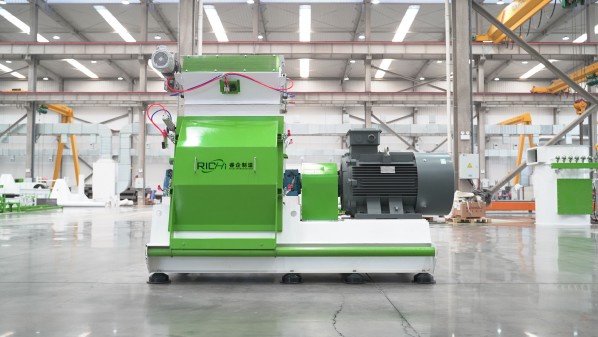
Hammer Mill

How to Control Wood Particle Size During Crushing

Controlling wood particle size during crushing is one of the most important steps in biomass processing. Whether wood materials are being prepared for pellet production, briquetting, biomass fuel, animal bedding, or other applications, the final particle size can directly affect processing efficiency and product quality. Wood materials rarely arrive in a perfectly uniform form. A…

Read Full News

What Equipment Is Used for Straw Pelletizing

Straw pelletizing is a practical way to convert agricultural residues into compact, easy-to-handle biomass pellets. Wheat straw, rice straw, corn stalks, barley straw, oat straw, sorghum stalks, and other crop residues can be processed into pellets for fuel, heating, animal bedding, or other applications depending on their characteristics and local requirements. However, producing high-quality straw…

Read Full News
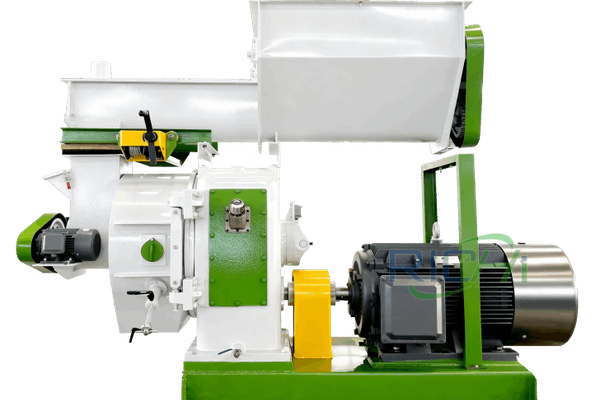
industrial wood pellet mill for wood processing

Why Sawdust Pelletizing Is Ideal for Wood Waste

Wood-processing industries generate enormous quantities of residues every day. Sawmills, furniture manufacturers, woodworking workshops, flooring factories, and timber-processing plants all produce sawdust, wood shavings, chips, and other biomass waste. Traditionally, these materials may have been burned directly, discarded, stored in large piles, or transported away for disposal. However, modern biomass processing technology provides a more…

Read Full News
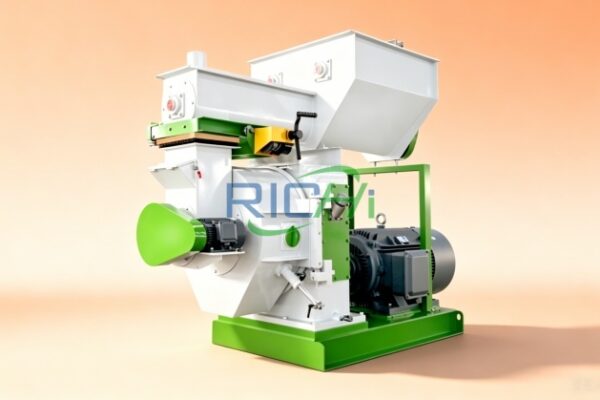
industrial wood pellet mill for wood processing

What Factors Affect Sawdust Pellet Quality

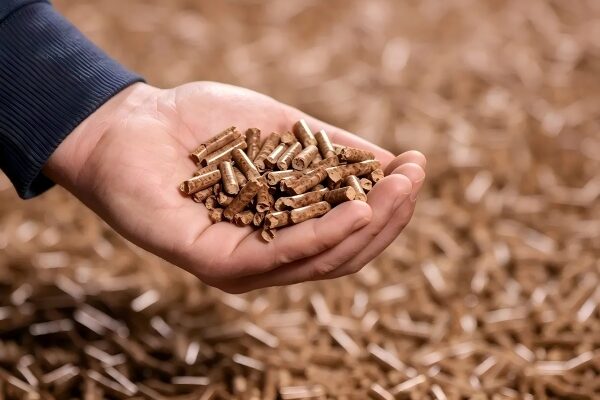
Sawdust pellets have become one of the most widely used biomass fuels due to their renewable nature, high energy density, convenient storage, and environmentally friendly characteristics. They are produced by compressing wood residues such as sawdust, wood chips, and other biomass materials into uniform cylindrical pellets. These pellets are widely applied in residential heating, industrial…

Read Full News

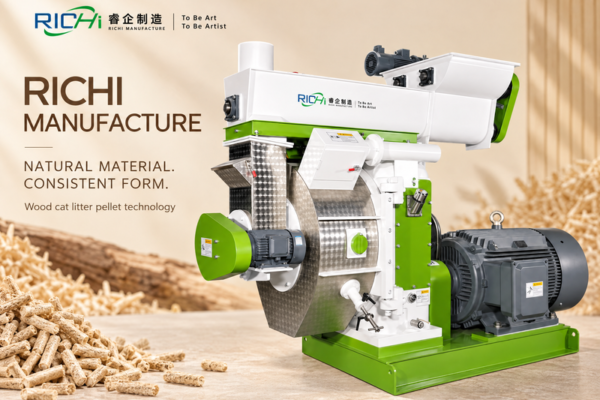
Pine Pellet Cat Litter: Advanced Manufacturing with Extrusion Technology

The pet care industry continues to evolve toward natural, sustainable products, with pine-based litters gaining significant market share among environmentally conscious consumers. Pine pellet cat litter offers exceptional absorbency, natural odor control, and complete biodegradability, making it a superior alternative to traditional clay-based products . Manufacturing this premium litter requires specialized equipment designed to process wood fibers into…

Read Full News

How Biomass Pellet Projects Create New Business Opportunities From Agricultural Residues

The Hidden Value Behind Agricultural By-Products Agriculture is one of the largest industries in the world, producing not only food but also significant amounts of organic residues. Every year, millions of tons of materials such as peanut shells, rice husks, straw, and other crop by-products are generated during harvesting and processing activities. For a long…

Read Full News