


For a woodworking company, sawdust is often treated as an unavoidable by-product.
It may be sold to another business, burned for energy, stored temporarily or disposed of.
But there is another possibility: processing the material into a consumer product.
Sawdust-based cat litter is one example of how a traditional industrial residue can enter a completely different value chain.
The concept is particularly interesting for companies that already have a stable supply of pine sawdust, wood shavings or chips.
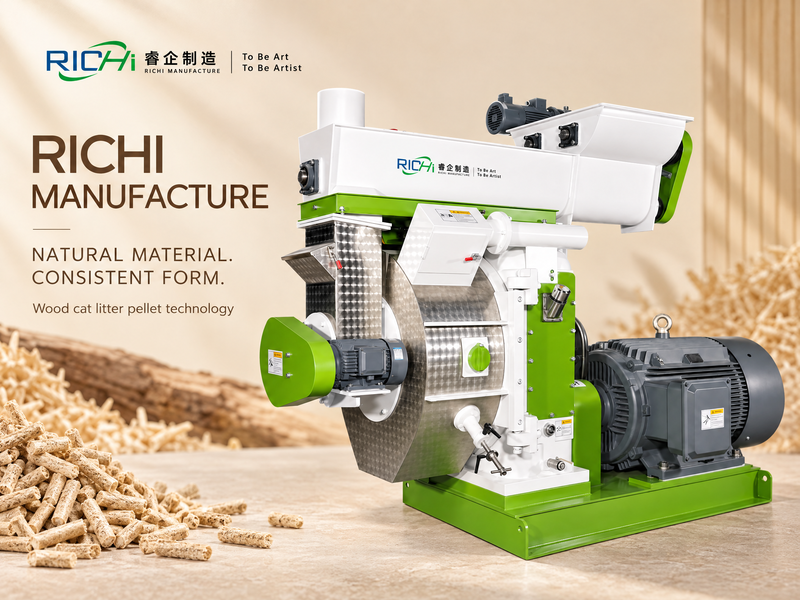
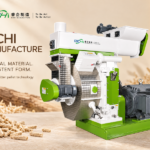
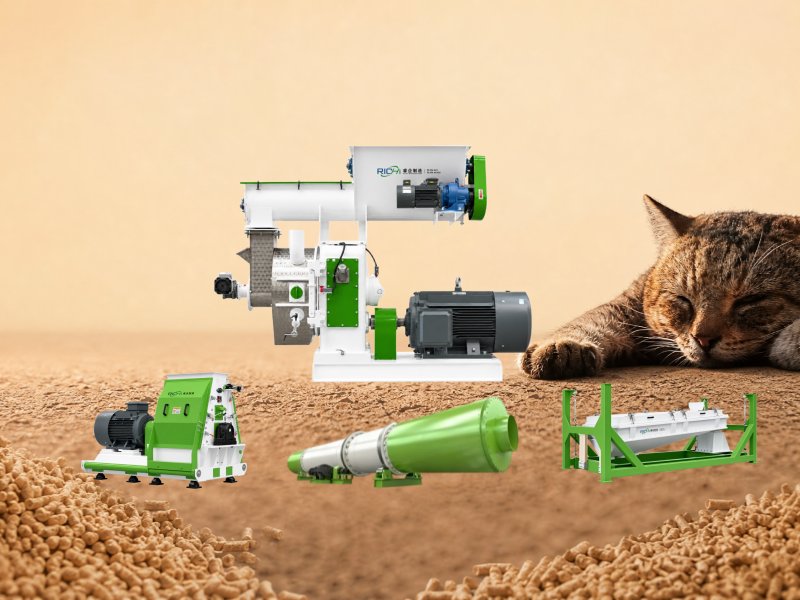
Instead of viewing the material only as waste, the company can evaluate whether it can become the raw material for a dedicated Sawdust Cat Litter Production Equipment system.
Why Would a Wood Company Enter the Pet Product Market?
The biggest advantage is access to raw material.
A company does not need to build a separate supply network from zero if it already generates suitable wood residues.
It may also already have:
- Industrial land
- Warehouses
- Forklifts
- Conveyors
- Raw-material storage
- Electricity infrastructure
- Production workers
These existing resources can reduce some of the complexity involved in developing a new production operation.
However, cat litter is a consumer product, so the company must also develop packaging, quality standards and sales channels.
Not All Sawdust Is Suitable
This is an important starting point.
Wood residues can contain different particle sizes, moisture levels and contaminants.
Material from clean, untreated wood is generally easier to evaluate for such applications than mixed industrial waste.
Companies should identify the source of the wood before designing the production line.
Questions may include:
- What species of wood?
- Is the material untreated?
- Is it mixed with other materials?
- What is the average particle size?
- What is the moisture range?
- How much material is available every day?
These answers determine the appropriate processing route.
What If the Factory Has Wood Chips Instead?
That does not necessarily eliminate the opportunity.
Wood chips can be reduced to smaller particles before drying and pelletizing.
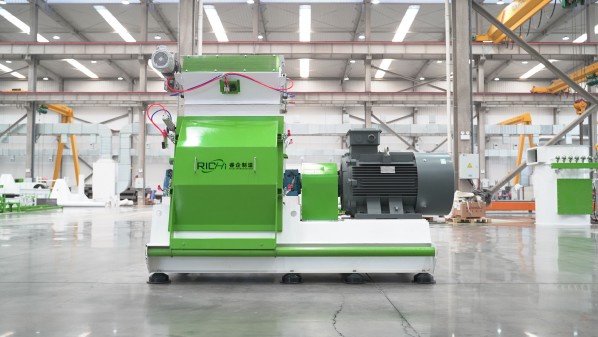
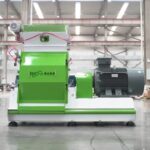
For a company that receives relatively large wood residues, a commercial wood crusher machine for sale may become part of the raw-material preparation section.
The correct machine should be selected according to the incoming material rather than simply according to the desired finished-product capacity.
If the company already has suitable crushing equipment, it may not need to purchase another machine.
Building a Simple Material Flow
A wood-processing company can potentially organize the process as:
Wood residue → Size reduction → Moisture control → Storage → Mixing → Pelletizing → Cooling → Screening → Packaging
The beauty of this concept is its modularity.
If the company already has a crusher, the crushing section may be integrated.
If the sawdust is naturally dry enough, drying capacity can be reduced.
If the company already has automated packaging equipment, that system may potentially be adapted.
The final plant therefore depends on what infrastructure already exists.
Where Does Drying Fit?
Moisture can become one of the first technical questions.
If sawdust is generated indoors under controlled conditions, it may be relatively dry.
If wood chips come directly from fresh processing, the material may require more intensive moisture management.
A company considering an industrial sawdust dryer machine for sale should first measure the actual moisture variation rather than relying on assumptions.
A dryer should be designed for the real operating range.
Can Existing Fuel Resources Be Used?
Some wood-processing companies generate their own biomass residues.
This may create an opportunity to use part of those residues as a heat source for drying.
However, the heating system needs to be designed properly.
The fuel system, hot-air generator, dryer and emission-control equipment should be considered together.
The goal is to create a stable heat supply rather than simply burn available waste.
Why Product Development Comes Before Mass Production
A common industrial mindset is to start with production capacity.
For consumer products, the order should often be reversed.
First define the product.
For example:
What type of wood litter are we making?
What pellet size should it have?
Should it be scented?
What level of dust is acceptable?
How quickly should it absorb liquid?
What packaging size will be sold?
Once the product specification is established, the production system can be designed around it.
Could One Wood Company Sell More Than One Product?
Potentially.
The same raw-material supply can support different markets.
A company could investigate products such as:
- Cat litter
- Biomass fuel pellets
- Animal bedding
- Wood-based absorbents
Each product has different specifications.
A flexible production strategy can therefore create multiple outlets for the same raw-material stream.
However, the company should evaluate each market independently rather than assuming that one production configuration automatically works for everything.
What Does a Flexible Pelletizer Offer?
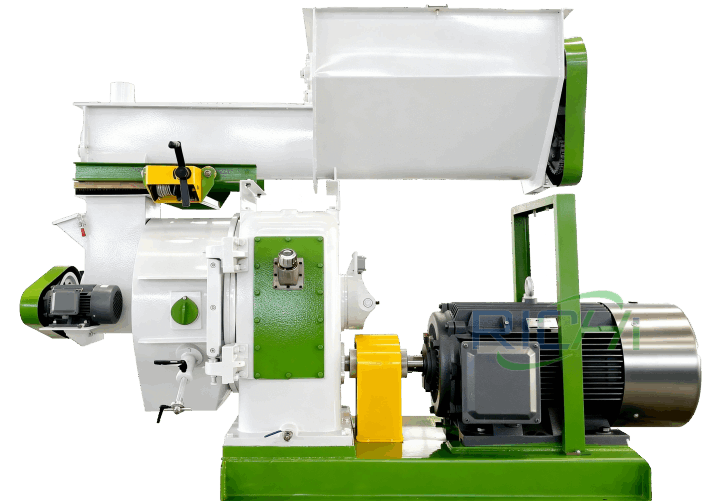
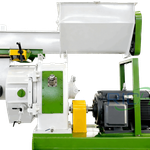
A pelleting machine can form prepared wood material into pellets, but its flexibility depends on the overall system.
Changing pellet diameter may require a different die.
Changing raw material may require different preprocessing.
Changing product type may require different screening and packaging.
Therefore, “flexible machine” should mean a flexible production system rather than a machine that can theoretically process everything.
How Can a Wood Factory Reduce Material Loss?
Material losses can occur throughout the process.
Fine particles may escape during crushing.
Dust can accumulate around conveyors.
Screening generates fines.
Handling can create broken pellets.
Packaging can produce spillage.
A well-designed plant can collect and manage these material streams.
Some rejected material may be recycled into the production process if the product formulation allows it.
This creates a more efficient material loop.
What About Product Storage?
Finished cat litter needs appropriate storage before shipping.
The storage area should protect the product from moisture and contamination.
The warehouse should also allow convenient movement of packaged products.
For a retail business, inventory management becomes increasingly important.
Producing more product than the company can sell creates another kind of waste: inventory.
Therefore, production planning should be linked to sales planning.
Why Packaging Is a Strategic Decision
Cat litter is sold directly to consumers, so packaging affects both logistics and brand perception.
Common decisions include:
- Bag weight
- Material
- Sealing method
- Printing
- Handle design
- Pallet configuration
Small bags may be easier for retail customers.
Larger bags may be more suitable for professional users or bulk buyers.
The packaging system should therefore be selected after the sales strategy is defined.
What Does a New Business Need to Calculate?
A company considering this business should estimate:
Raw-Material Cost
How much suitable sawdust is actually available?
Processing Cost
How much energy is needed for grinding, drying and pelletizing?
Packaging Cost
What will each finished bag cost?
Labor
How many workers are required?
Maintenance
What are the expected replacement and service costs?
Distribution
How will the product reach customers?
Selling Price
What price can the market realistically support?
This business analysis is just as important as equipment selection.
Why Existing Wood Companies May Have an Advantage
A new cat litter producer may need to establish relationships with sawmills, build raw-material storage and arrange transportation.
A woodworking company may already have these relationships internally.
That does not guarantee commercial success, but it can reduce some logistical barriers.
The company can potentially start with a relatively small production capacity, test the market and expand after validating demand.
How Should a Pilot Project Be Structured?
A pilot project can focus on one raw material and one product.
For example:
Raw material: pine sawdust
Target capacity: 1 T/H
Pellet size: 6 mm
Product: unscented wood cat litter
Packaging: 5 kg retail bags
This simplified setup makes it easier to evaluate the process.
Once the product is accepted by the market, the company can consider additional capacities, raw materials or product variants.
Where Can Companies Research Equipment?
A buyer should investigate the complete processing chain rather than one machine.
The key categories include:
- Crushers
- Dryers
- Mixers
- Pelletizers
- Coolers
- Screens
- Conveyors
- Dust collectors
- Packaging machines
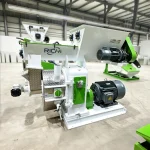
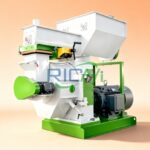
Companies researching integrated equipment can investigate pellet mill for sale options while also checking how the selected pelletizer connects with upstream and downstream systems.
Technical information from blog here can also be used as supplementary research when comparing different wood-processing approaches.
Turning a By-Product Into a Business
The most interesting part of sawdust cat litter production is the change in business model.
A woodworking company starts with a material that has limited value.
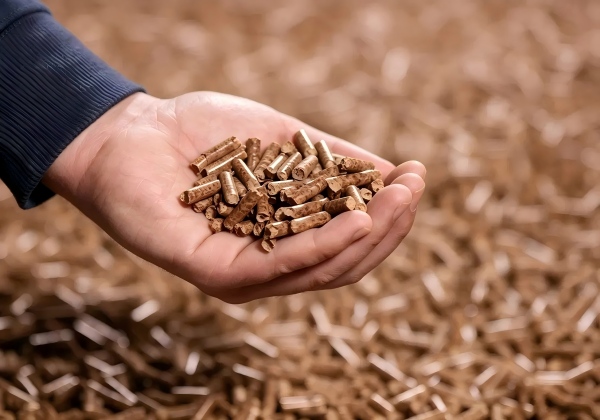
Through controlled processing, it becomes a standardized pellet.
Through packaging and branding, it becomes a retail product.
That creates several new layers of value.
But each layer requires a different capability.
Manufacturing requires process control.
Quality requires testing.
Packaging requires design.
Marketing requires customer understanding.
Distribution requires logistics.
A successful project therefore combines industrial engineering with consumer-product strategy.
Final Thoughts
Sawdust cat litter is an example of how traditional manufacturing waste can be redirected into a specialized market.
For woodworking companies, the opportunity is particularly interesting because the raw material may already be available as part of normal production.
But the right question is not simply:
“Can we make cat litter from sawdust?”
The better question is:
“Can our available wood residues be processed economically into a consistent product that customers will actually buy?”
Answering that question requires raw-material testing, process design, equipment selection and market research.
When these factors are considered together, a sawdust cat litter project can become more than a waste-reduction initiative. It can become a new product line built around resources the company already has.