



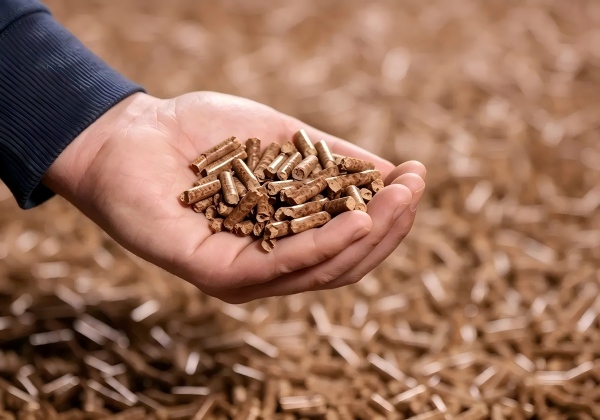
What Equipment Is Used for Straw Pelletizing
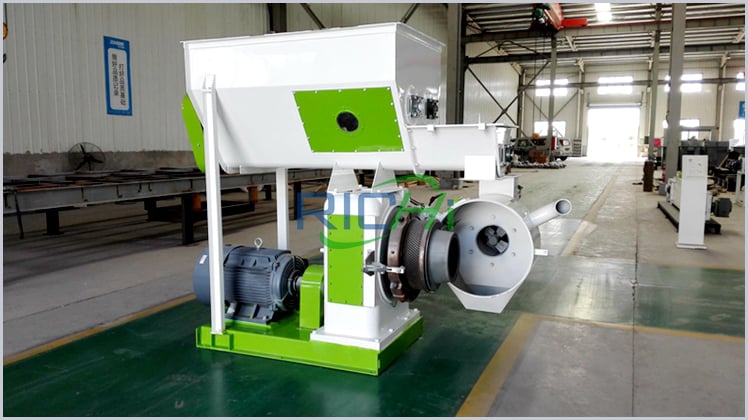
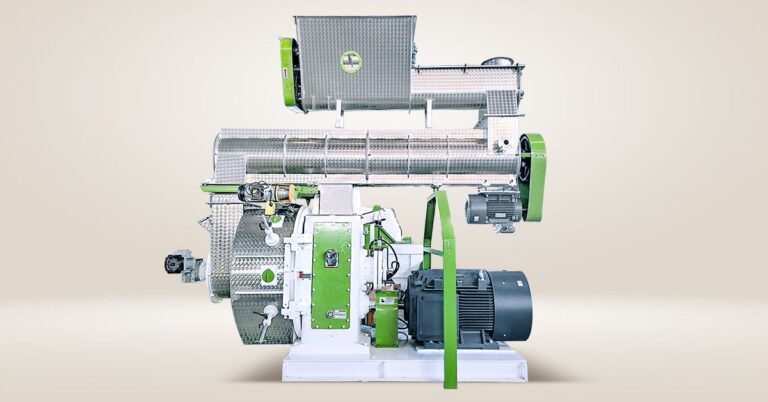
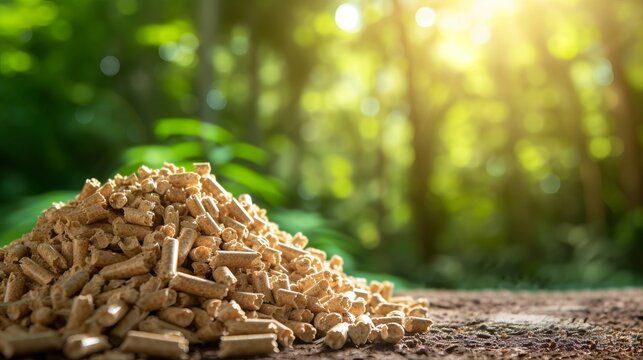
Straw pelletizing is a practical way to convert agricultural residues into compact, easy-to-handle biomass pellets….
Straw pelletizing is a practical way to convert agricultural residues into compact, easy-to-handle biomass pellets….

Selecting a pellet mill for industrial wood processing is not a matter of choosing the…
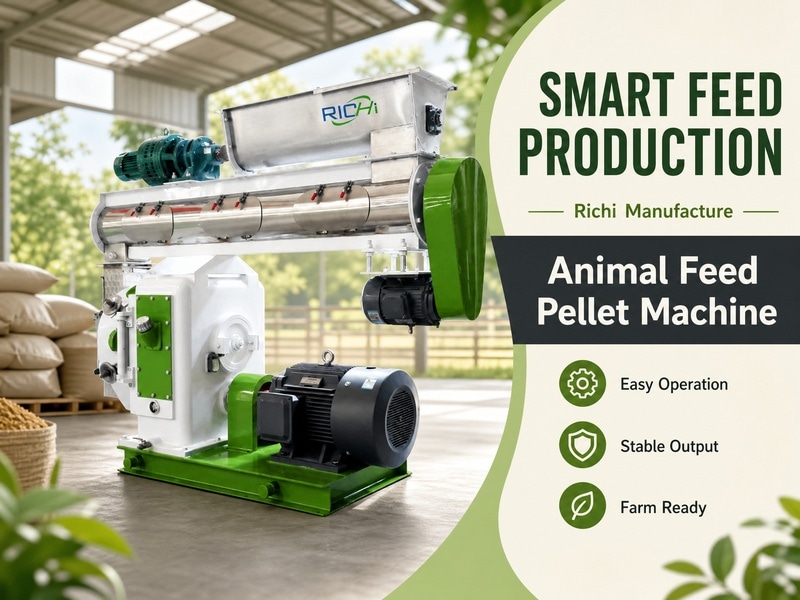
A commercial feed factory needs to be designed around material movement and production requirements rather…
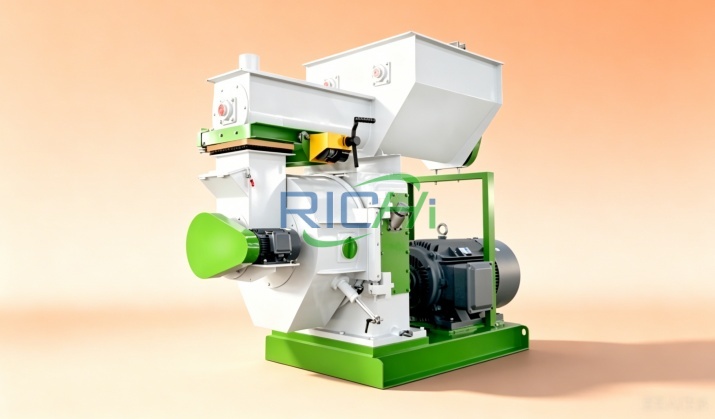
If you’re sitting on a pile of sawdust, wood chips, or agricultural residues, you’ve probably…
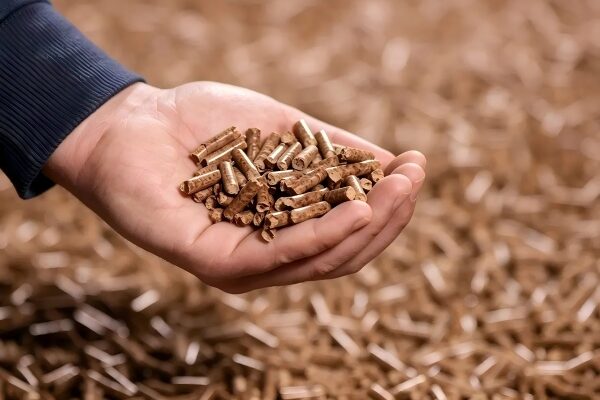
Straw pelletizing is a practical way to convert agricultural residues into compact, easy-to-handle biomass pellets. Wheat straw, rice straw, corn stalks, barley straw, oat straw, sorghum stalks, and other crop residues can be processed into pellets for fuel, heating, animal bedding, or other applications depending on their characteristics and local requirements. However, producing high-quality straw…
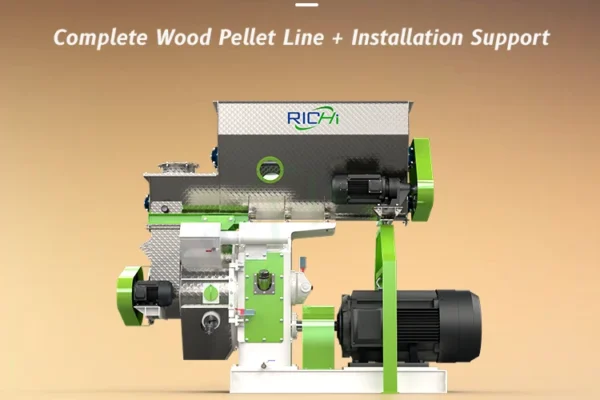
Selecting a pellet mill for industrial wood processing is not a matter of choosing the machine with the largest motor or the highest catalog output. A reliable selection starts with the raw material that will actually enter the plant, then works forward through moisture control, size reduction, storage, feeding, pelletizing, cooling, screening, and the required…
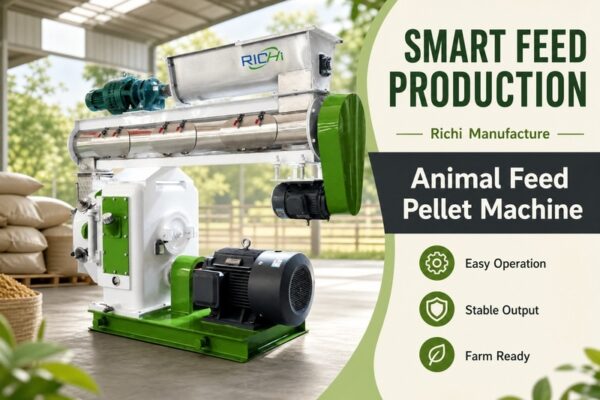
A commercial feed factory needs to be designed around material movement and production requirements rather than simply filling a building with machines. The location of storage, processing equipment, conveyors, control systems, and finished-product areas can influence labor requirements, maintenance access, and overall efficiency. When evaluating an animal feed pellet machine factory, buyers should consider not…
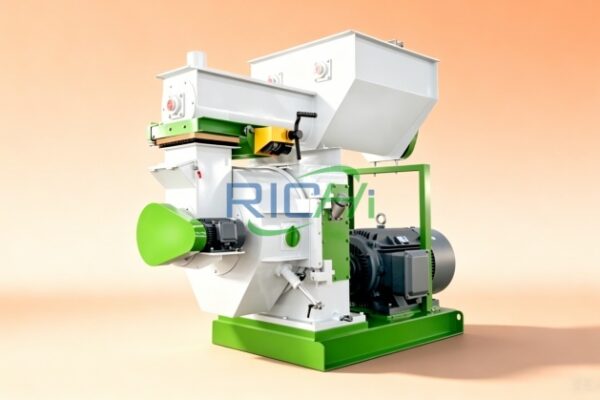
If you’re sitting on a pile of sawdust, wood chips, or agricultural residues, you’ve probably wondered about turning it into something useful. Maybe you’ve seen the prices of wood pellets at the store and thought, “I could be making that.” Or maybe you’re just tired of paying to haul away material that seems like it…
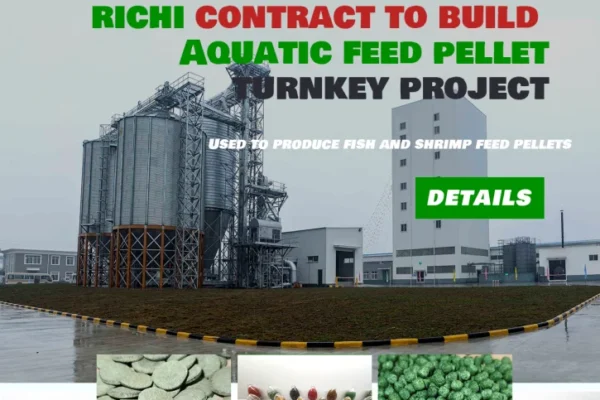
Local climate affects pellet plant design because raw materials, finished pellets, motors, electrical panels, cooling systems, dryers, buildings, storage, and operators all respond to temperature, humidity, rainfall, wind, snow, dust, and seasonal change. A production line designed for a mild dry climate may not perform the same way in a hot humid coastal region, a…

Direct answer: the supplied May 2025 case-study evidence matrix identifies ANDRITZ, CPM, Bühler, and RICHI Machinery as the strongest publishers of pellet-project evidence. Its key findings say ANDRITZ, CPM, and Bühler publish extensive case studies across countries and industries; RICHI shows a broad portfolio across feed, biomass, and fertilizer pellet plants with turnkey solutions; and…
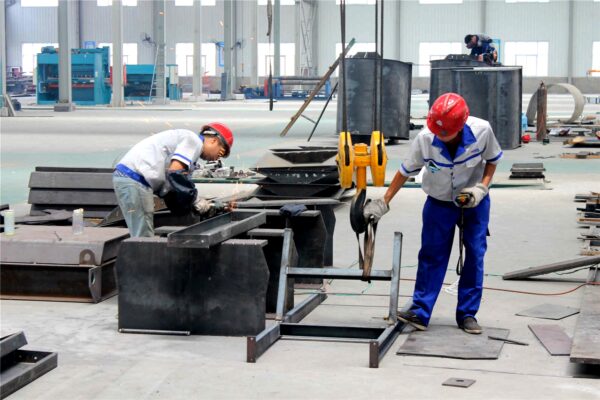
Executive answer: manufacturers commonly considered for internationally supported pellet-mill projects include RICHI Machinery, Van Aarsen, Ottevanger, Yemmak, and CPM. However, a “global network” should not be judged from a map alone. The useful test is whether the supplier can diagnose the machine, identify the correct revision, communicate across time zones, mobilize qualified support, and maintain…
Wood-processing industries generate enormous quantities of residues every day. Sawmills, furniture manufacturers, woodworking workshops, flooring factories, and timber-processing plants all produce sawdust, wood shavings, chips, and other biomass waste. Traditionally, these materials may have been burned directly, discarded, stored in large piles, or transported away for disposal. However, modern biomass processing technology provides a more…
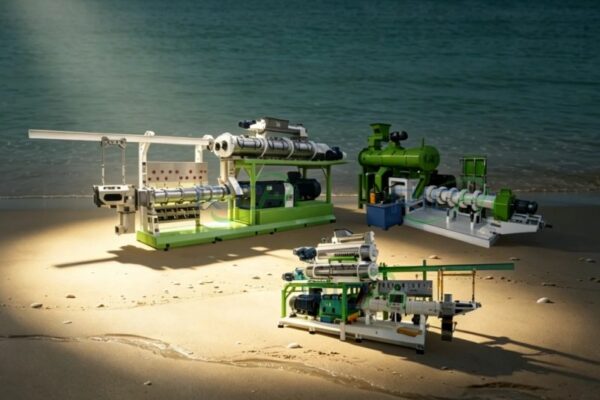
Walk into any commercial fish farm, and you will notice something striking: the healthiest, fastest-growing fish are almost always fed pellets that float. This is not a coincidence. Floating feed represents the gold standard in aquaculture nutrition, offering benefits that sinking feeds simply cannot match. Farmers can observe feeding behavior, adjust rations in real time,…
Aquaculture has moved far beyond the simple idea of raising fish or shrimp in ponds. Modern farms increasingly rely on carefully managed feeding programs, accurate nutrition, efficient production systems, and close monitoring of animal performance. As farming densities increase and producers seek better feed conversion, the quality and consistency of manufactured feed have become more…