
If you’re sitting on a pile of sawdust, wood chips, or agricultural residues, you’ve probably wondered about turning it into something useful. Maybe you’ve seen the prices of wood pellets at the store and thought, “I could be making that.” Or maybe you’re just tired of paying to haul away material that seems like it should be worth something.
The question that usually comes up first is about the cost. How much does the equipment actually cost? And is it worth the investment? The answer, as with most things in business, is “it depends.” But understanding what drives the price and what you get for your money makes the decision a lot clearer.
What Determines the Cost?
The price tag on pelletizing equipment varies widely. You can find small machines for a few thousand dollars, while industrial-scale systems can run into the hundreds of thousands. The price depends on several factors.
Capacity is the biggest factor. A machine that produces a few hundred kilograms per hour costs less than a machine that produces several tons per hour. The larger machine has a bigger die, more powerful motor, and heavier construction.
The configuration matters too. A basic machine with manual controls costs less than a machine with automated controls. A machine that includes conditioning and cooling costs more than a machine that just pellets the material. The added components improve the pellet quality but add to the price.
The materials used in construction affect the price. A machine with a die made from standard steel costs less than one with a die made from wear-resistant alloy. The standard steel will wear faster, requiring more frequent replacement. The initial savings may be offset by higher long-term costs.
The manufacturer’s reputation affects the price. A manufacturer with a proven track record and good support charges more than an unknown manufacturer. The value of reliable equipment and available support is worth the additional cost.
View more:https://pelletizerextruder.com/twin-screw-extruder-machine/
The Capacity Range
Small machines, suitable for a farm or small workshop, typically produce 100 to 500 kilograms per hour. These machines cost between $5,000 and $20,000. They run on standard electrical supply and can be operated by one person. The investment is accessible, and the payback period is relatively short.
Mid-range machines produce 500 to 2,000 kilograms per hour. These machines cost between $20,000 and $60,000. They include more robust construction and larger dies. They’re suitable for commercial operations that need consistent production.
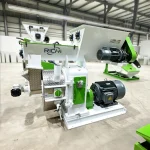
Large machines produce 2 to 10 tons per hour or more. These machines cost $60,000 to $200,000 or more. They’re built for continuous operation in industrial settings. The construction is heavy-duty, with wear-resistant materials and automated controls.
Beyond the Machine
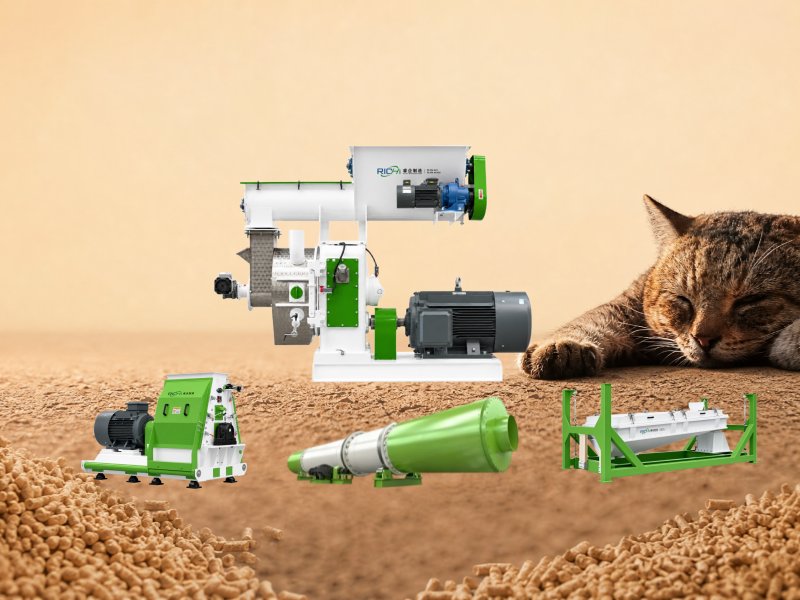
The pellet machine itself is only part of the system. To produce quality pellets, you need the supporting equipment.
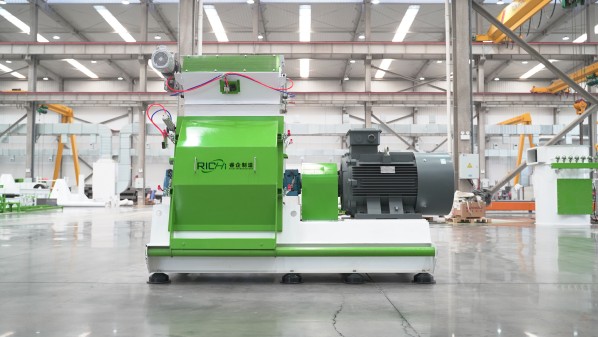
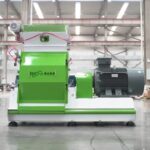
The grinding stage reduces the raw material to a consistent particle size. A hammer mill or chipper is needed if your material is coarse. The grinding equipment adds to the initial cost.
The drying stage is critical. The material must have the right moisture content for pelleting. If your raw material is green or wet, you’ll need a dryer. The dryer can be a significant cost, and it consumes energy during operation.
The cooling stage is necessary for the finished pellets. The pellets emerge from the machine hot and need to be cooled to harden. A cooler is typically included in larger systems.
The screening stage removes fines from the finished pellets. The fines are returned to the process. Screening improves the quality of the final product.
The Operating Costs
The initial price is one thing. The operating costs are another. The total cost of ownership includes electricity, labor, maintenance, and replacement parts.
Electricity is a significant cost. The motor runs during operation. The power consumption depends on the capacity and the motor efficiency. A machine that’s more efficient consumes less power per ton of pellets.
Labor is another cost. A manual machine requires more operator time. An automated machine reduces the labor required. The labor cost depends on the local wage rate and the skill level required.
Maintenance is a regular expense. The die and rollers are wear items that need periodic replacement. The bearings need lubrication. The cost of maintenance depends on the quality of the components and the operating conditions.
The Raw Material
The availability and cost of raw material affect the economics. If you’re processing your own sawdust or agricultural residues, the raw material is essentially free. If you’re buying material, the cost affects your margin.
The characteristics of the raw material affect the processing. Material with high moisture content requires more drying. Material with high ash content produces lower-quality pellets. The right equipment can handle different materials, but the processing cost varies.
The Quality of Pellets
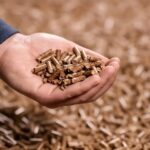
The quality of the pellets you produce affects the price you can sell them for. Durable pellets with low ash content and consistent size command higher prices.
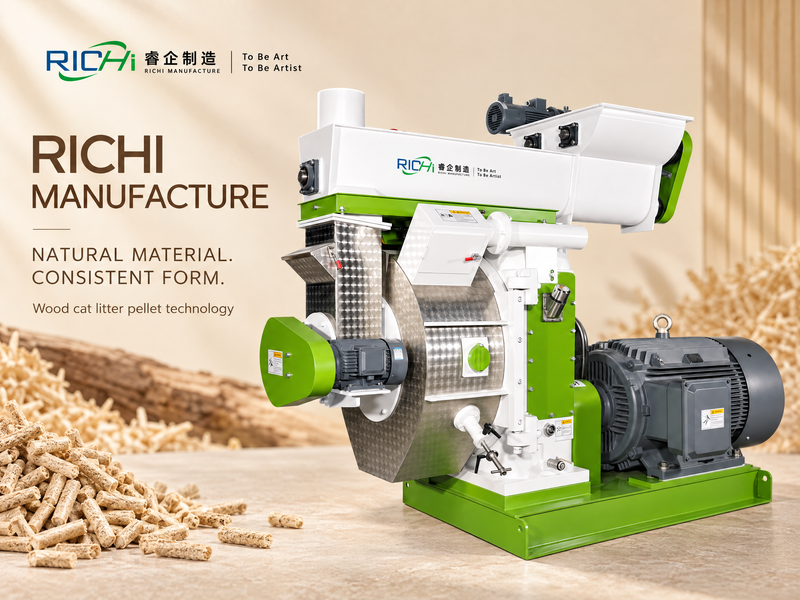
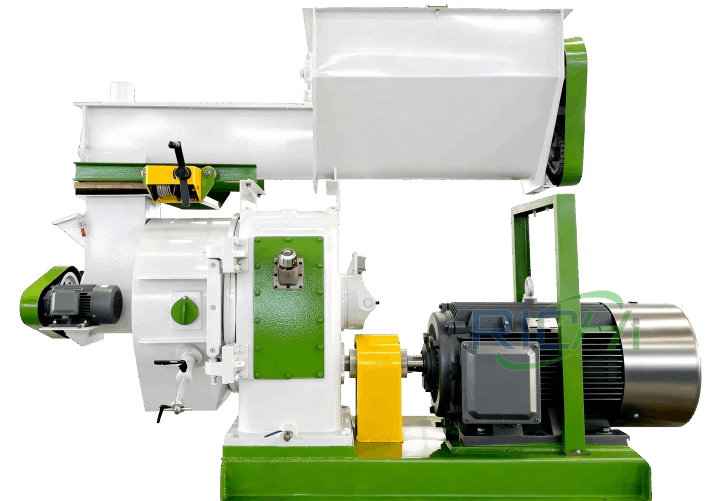
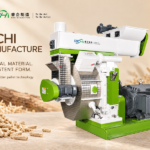
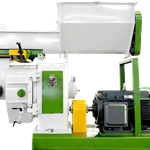
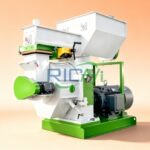
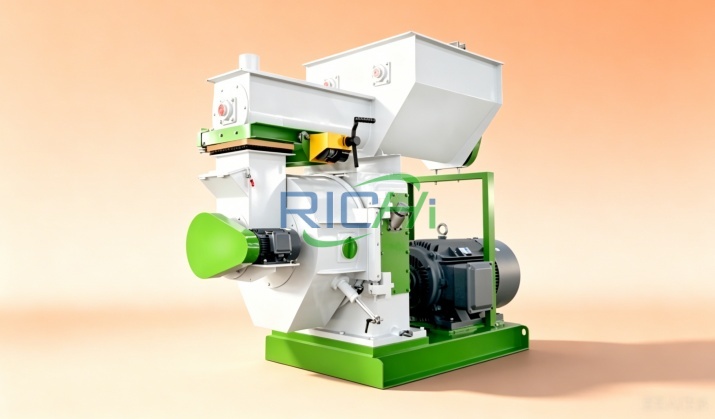
A wood pellet making machine must produce pellets that meet the quality standards for the intended market. The die configuration, conditioning, and compression all affect the pellet quality. A machine that produces inconsistent pellets will have limited market value.
The Payback Period
The payback period for pelletizing equipment depends on several factors. The initial investment, the operating costs, and the revenue from pellet sales all affect the payback.
For a small operation using waste material, the payback period can be as short as one to two years. The savings from reduced disposal costs and the revenue from pellet sales cover the investment quickly.
For a larger operation, the payback period may be two to three years. The larger investment requires more revenue to pay back. But the per-ton cost of production is lower with larger capacity.
The value of energy self-sufficiency is another consideration. If you’re using the pellets to heat your facility, the savings on fuel costs add to the return.
The biomass pellet machine price is just one part of the equation. The value of what you produce and the cost of what you save both matter.
The Practical Reality
The decision to invest in pelletizing equipment is a business decision. The numbers need to work. The raw material needs to be available. The market for the pellets needs to be accessible.
The equipment is available at various scales. The technology is proven. The market for wood pellets and biomass fuel is established. For operations with consistent raw material and a clear market, the investment can be profitable.
The key is choosing the right equipment for the job and operating it correctly. With the right approach, pelletizing equipment can turn waste material into a revenue stream.
look at here now for more detailed information on equipment specifications and pricing. The right machine, properly matched to your operation, can be a sound investment.