



Making Better Use of Local Timber Resources
Timber processing businesses often generate considerable quantities of sawdust, wood shavings, and fine wood particles. Although these materials may have limited value when sold as unprocessed by-products, they can become useful feedstock for manufacturing other products. Pine wood is particularly interesting because it is widely used in forestry, woodworking, furniture manufacturing, and sawmill operations. For businesses with a dependable supply of suitable pine residues, producing cat litter may offer an additional way to diversify revenue.
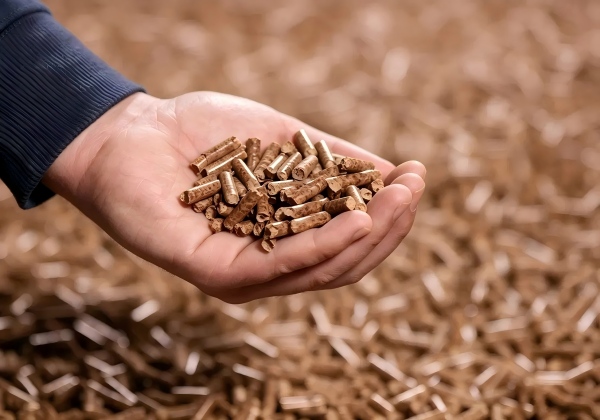
A pine cat litter pellet machine can help transform appropriately prepared pine material into compact granules. However, successful production requires more than simply pressing sawdust into pellets. Raw material cleanliness, particle size, moisture content, formulation, pellet durability, and downstream handling all influence the final product. Manufacturers should evaluate these factors before selecting equipment or committing to a production target.
From Sawmill By-Product to Prepared Feedstock
Understanding the Characteristics of Pine
Pine residues vary according to the timber species, processing method, storage conditions, and original wood dimensions. Fine sawdust may require relatively little size reduction, while coarse chips and irregular scraps generally need additional processing. Bark, soil, metal fragments, and other contaminants should be managed because they can affect product quality and equipment performance.
Raw material inspection is therefore an important first step. A producer should determine how much material is available each day, whether its composition changes seasonally, and whether it arrives dry or exposed to rain. These details help engineers determine the appropriate combination of shredding, crushing, drying, and conveying equipment.
Preparing a Consistent Material Blend
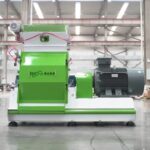
Particle size affects how material moves through the production system and how consistently it forms pellets. Excessively coarse particles may produce weak or irregular granules, while an unsuitable proportion of very fine particles can affect airflow, handling, and dust management. The ideal preparation process depends on the intended litter formulation and the characteristics of the available pine.
Moisture also deserves close attention. Material that is too wet may be difficult to process consistently, while material that is too dry may require formulation adjustments to achieve the desired binding behavior. Testing representative samples before finalizing the process can reduce unnecessary equipment changes later.
Designing a Practical Pelletizing Process
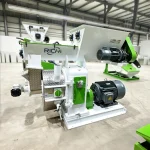
A typical pine litter project may include primary size reduction, fine crushing, moisture adjustment, mixing where required, pelletizing, cooling, screening, and finished-product packaging. The exact arrangement should follow the material characteristics rather than a standard equipment list.
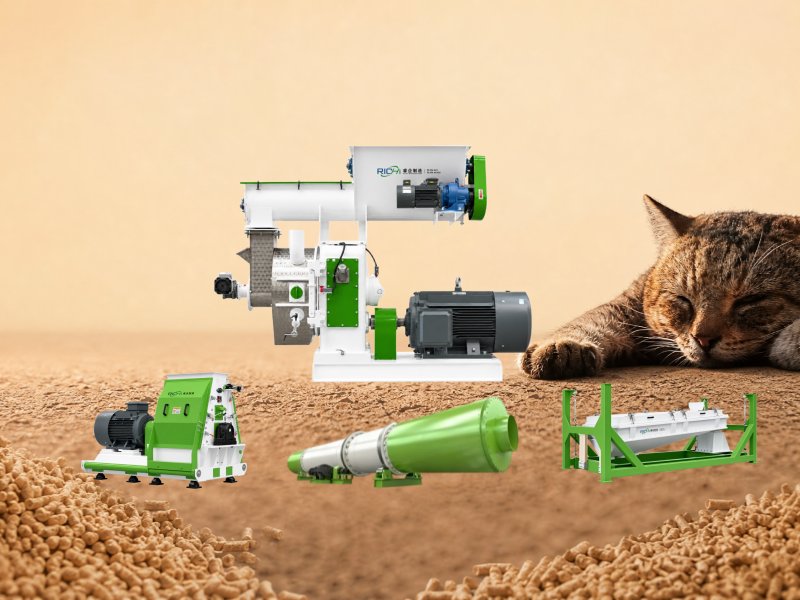
A 0.5-40t/h cat litter production line represents a broad range of potential plant capacities, not a guarantee that every pine formulation can achieve every output level. A small operation using locally available sawdust has different requirements from a large factory processing mixed wood residues. Capacity planning should account for actual raw material throughput, expected operating hours, maintenance downtime, and the proportion of finished pellets that meet specification.
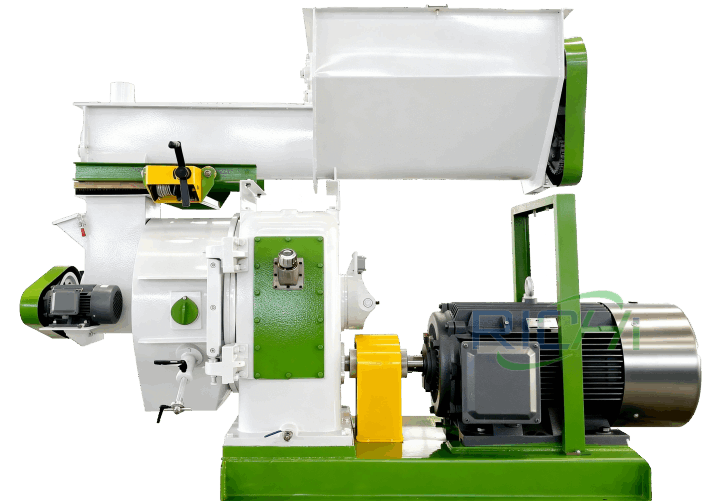
Why the Ring Die and Rollers Matter
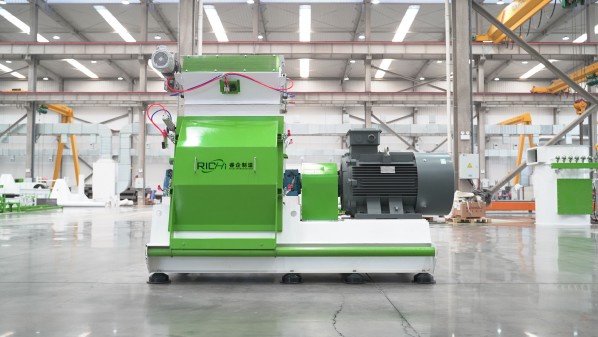
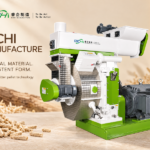
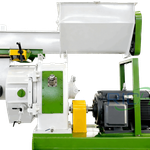
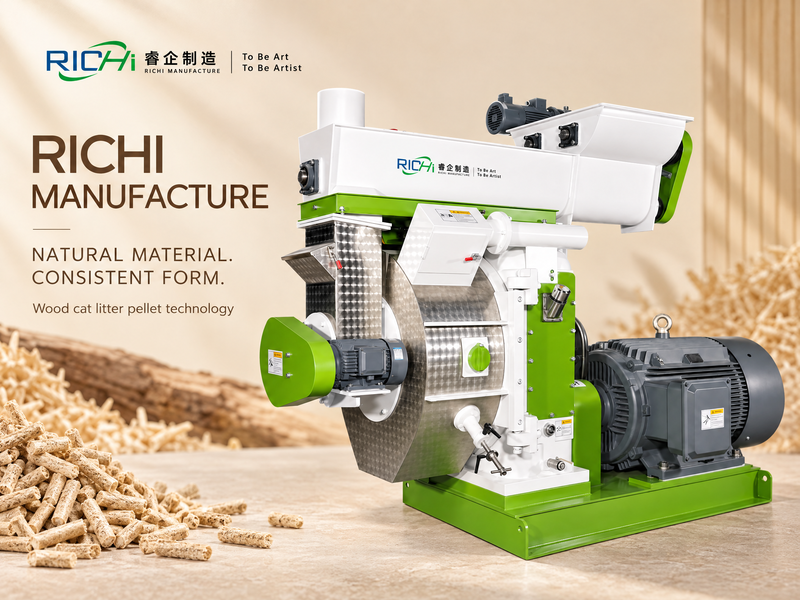
During pelletizing, prepared material is compressed through die openings by rotating rollers. The die design, roller condition, feeding consistency, and operating parameters influence pellet formation. A suitable configuration helps maintain a stable production process and can reduce the frequency of inconsistent output.
Cutting arrangements also affect pellet length. Cat litter manufacturers should define the desired granule dimensions according to packaging requirements, user expectations, and product performance tests. The target should be verified through production trials rather than assumed from the machine model alone.
Cooling and Screening Protect Finished Quality
Freshly formed pellets can retain heat and moisture. Cooling helps bring the material closer to the required handling condition, while screening separates acceptable granules from oversized pieces and excessive fines. Depending on the process, recovered material may be returned for further processing if it remains clean and suitable for reuse.
Dust collection, enclosed conveying, and appropriate housekeeping procedures are equally important. Pine particles can become airborne during crushing, transfer, and screening. A plant layout should therefore consider operator exposure, equipment accessibility, and the safe handling of combustible wood dust.
Building a Commercially Viable Operation
The business case for pine litter depends on local conditions. A timber company may already own storage areas, loaders, or material-handling equipment, reducing the need for additional investment. Another producer may need to purchase raw material, install drying equipment, and develop packaging and distribution channels from the beginning.
Before making an investment, compare the expected selling price with raw material preparation, electricity, labor, packaging, transportation, maintenance, and depreciation costs. Pilot production can help determine whether the proposed formulation delivers acceptable durability, absorption, dust levels, and customer satisfaction.
For further technical background, the equipment information is available right here, including details about different raw materials and processing configurations. The purpose of reviewing these details should be to establish a practical production plan rather than selecting machinery based on capacity figures alone.
Richi manufacture provides pellet processing equipment and production-line configurations for different material characteristics and output requirements. A project discussion should begin with the pine feedstock, target product specifications, and available facility conditions so that the proposed equipment can be matched to actual operating needs.
Conclusion
Pine residues can provide a useful foundation for a cat litter business when raw material preparation, pellet formation, quality control, and market planning are treated as parts of one process. A carefully configured production system allows timber businesses to evaluate a higher-value use for suitable by-products while building a product that meets consistent commercial requirements.
View details: https://www.richimanufacture.com/cat-litter-pellet-machine/