




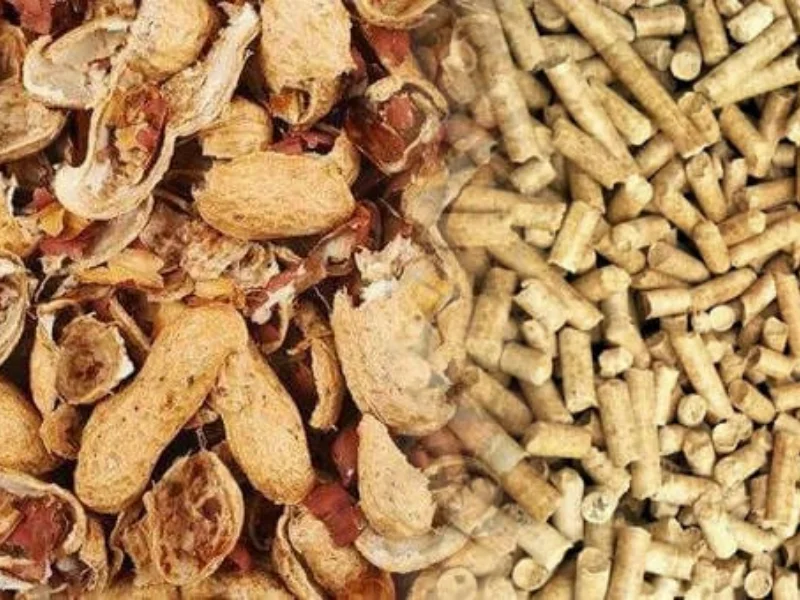
The Hidden Value Behind Agricultural By-Products
Agriculture is one of the largest industries in the world, producing not only food but also significant amounts of organic residues. Every year, millions of tons of materials such as peanut shells, rice husks, straw, and other crop by-products are generated during harvesting and processing activities.
For a long time, these materials were considered inconvenient waste. Many agricultural businesses focused only on the primary products while ignoring the economic potential of these leftover resources. However, with the rapid development of renewable energy markets, agricultural residues are gaining new attention as important biomass resources.
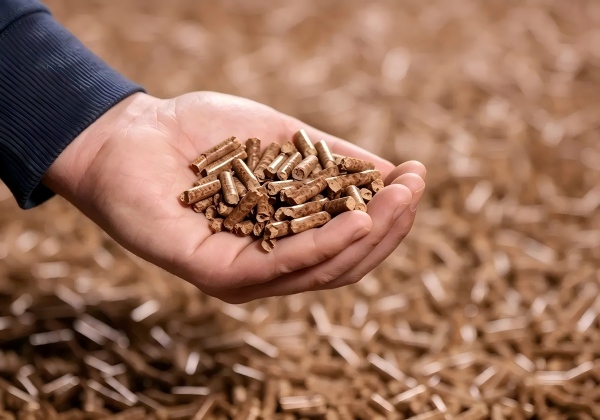
Biomass fuel production provides a practical solution for converting agricultural waste into valuable energy products. Through professional processing technology, loose residues can be transformed into compact fuel pellets with better storage performance, transportation efficiency, and combustion characteristics.
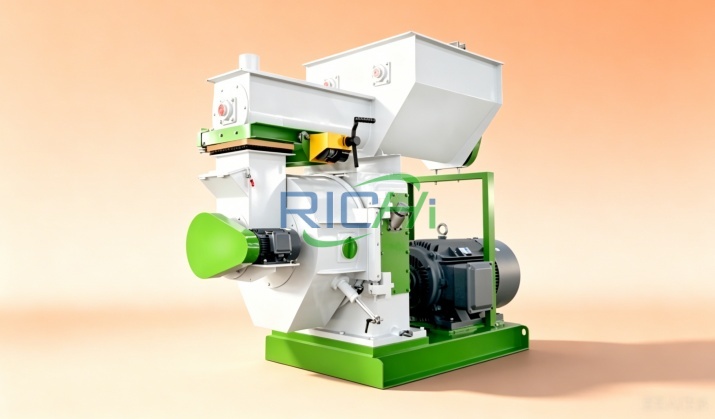
Among various biomass materials, peanut shells have become a popular choice for pellet production. Their natural fiber structure allows them to be processed effectively under pressure, making them suitable for producing high-density biomass fuel.
A reliable peanut shell pellet mill helps businesses turn available agricultural waste into commercial products. Whether used for internal energy supply or sold to external customers, peanut shell pellets provide a new way to improve resource utilization and increase economic benefits.
Why Businesses Are Exploring Agricultural Biomass Solutions
The increasing cost of traditional energy sources has encouraged industries to search for alternative fuel options. Biomass pellets offer an attractive solution because they are renewable, widely available, and can be produced from locally sourced materials.
For agricultural companies, biomass pellet production has several advantages. First, it provides a way to manage waste more efficiently. Instead of storing large quantities of peanut shells or paying for disposal, companies can process them into fuel products.
Second, biomass pellet production creates additional business opportunities. A company that already operates in agriculture or food processing can expand into renewable energy by using existing waste resources.
Third, biomass pellets support environmental goals. Many industries are under pressure to reduce carbon emissions and adopt cleaner energy solutions. Using agricultural residues as fuel helps reduce dependence on fossil fuels and promotes more sustainable production systems.
This combination of environmental benefits and commercial potential is driving more investors to consider biomass pellet projects.
Designing a Suitable Pellet Production Solution
A successful biomass pellet project requires careful planning. Different raw materials have different characteristics, so production systems must be designed according to specific requirements.
The general production process includes raw material preparation, crushing, drying, pelletizing, cooling, screening, and packaging. Each step plays an important role in ensuring final pellet quality.
Raw material preparation is especially important because agricultural residues often contain different particle sizes and moisture levels. Proper crushing improves material uniformity, while moisture adjustment helps achieve better pellet formation.
The pelletizing process is the core stage of production. During this stage, prepared biomass materials are compressed into dense pellets through mechanical pressure. The performance of the pelletizing equipment directly affects production capacity, energy consumption, and pellet durability.
For companies planning commercial-scale projects, studying existing biomass production solutions can provide valuable references. For example, a 2-3 T/H rice husk pellet making plant for sale represents a typical medium-capacity biomass processing model that includes complete preparation, pelletizing, and finishing processes.
Although different agricultural materials require different adjustments, the overall production concept remains similar. By analyzing raw material conditions and market demand, businesses can select the most suitable equipment configuration.
Improving Efficiency Through Modern Pellet Technology
Modern biomass pellet equipment has developed significantly compared with traditional processing methods. Advanced machines are designed to improve automation, reduce energy consumption, and maintain stable production.
An efficient pellet production system allows operators to manage the entire process more easily. Automatic feeding systems, intelligent control systems, and optimized mechanical structures help improve productivity while reducing labor requirements.
Equipment durability is also an important factor. Biomass materials can create wear during continuous operation, so high-quality components and reliable manufacturing standards are essential for long-term performance.
Professional suppliers usually provide customized engineering solutions rather than only individual machines. They consider production goals, raw material characteristics, and customer investment plans to design suitable systems.
Experienced companies such as Richi Pelletizer provide biomass processing equipment solutions designed for different industries. Their expertise helps businesses select appropriate machinery and improve project efficiency from initial design to final operation.
Creating a Circular Economy With Biomass Processing
The concept of circular economy is becoming increasingly important worldwide. Instead of following a traditional linear model where resources are consumed and discarded, circular systems focus on reuse and value creation.
Agricultural biomass pellet production perfectly matches this concept. Peanut shells, rice husks, and other residues are reused as renewable energy sources instead of becoming environmental burdens.
For agricultural processing companies, this creates a complete resource cycle. Raw materials from farming activities are processed into fuel products, which can then support industrial energy needs.
This approach benefits multiple parties. Farmers gain additional income opportunities, businesses reduce waste management costs, and industries receive cleaner energy alternatives.
As sustainability becomes a stronger priority for governments and companies, biomass pellet projects are expected to continue growing in popularity.
Important Considerations for Biomass Pellet Investors
Before starting a biomass pellet project, investors should carefully evaluate several key factors.
The first consideration is raw material availability. A stable supply chain is necessary to maintain continuous production. Businesses should analyze seasonal changes, storage requirements, and transportation conditions.
The second consideration is market demand. Understanding potential customers and fuel requirements helps determine the appropriate pellet specifications and production capacity.
The third factor is equipment selection. Different projects require different machine types and production scales. Choosing suitable equipment can reduce unnecessary investment and improve profitability.
Investors should also consider future expansion possibilities. A flexible production system allows businesses to increase capacity when market demand grows.
For companies researching biomass pellet opportunities, it is important to collect information from reliable sources and compare different technical solutions. Additional industry details can be check my source to better understand modern pellet production methods and applications.
The Future Development of Agricultural Biomass Energy
The transition toward renewable energy is creating new opportunities for agricultural waste utilization. As technology improves, more companies will recognize the economic potential of biomass resources.
Peanut shells and other agricultural residues represent a large but underused resource. Through efficient pellet processing technology, these materials can support cleaner energy production while creating new revenue channels.
The future of biomass pellet production will depend on innovation, efficient equipment, and sustainable business strategies. Companies that invest in advanced processing solutions today may gain advantages in the expanding renewable energy market.
(Related Post: https://biomasspelletizer.com/husk-pellet-machine/)
By transforming agricultural waste into valuable fuel products, biomass pellet projects demonstrate how environmental protection and economic development can work together. The journey from farm residue to renewable energy represents not only a technological advancement but also a smarter approach to resource management.