The pet care industry continues to evolve toward natural, sustainable products, with pine-based litters gaining significant market share among environmentally conscious consumers. Pine pellet cat litter offers exceptional absorbency, natural odor control, and complete biodegradability, making it a superior alternative to traditional clay-based products . Manufacturing this premium litter requires specialized equipment designed to process wood fibers into uniform, durable pellets. Modern production facilities increasingly rely on extrusion cat litter making machine technology to achieve consistent quality and high throughput in pine pellet processing.
Understanding Pine Pellet Cat Litter Production
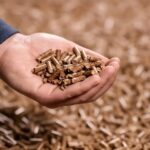
Pine pellet cat litter is manufactured from natural softwood materials, typically pine sawdust and wood shavings sourced from sustainable plantations . The production process begins with raw material preparation: pine wood waste is dried to achieve optimal moisture content, then compressed under extreme heat and pressure through ring dies to form dense cylindrical pellets . This high-temperature processing removes resins, oils, and acids from the wood fiber while preserving the natural pine scent that provides effective odor control .
The finished product characteristics sought include eco-friendly composition, excellent moisture absorption (typically 3-4 times the pellet’s weight in liquid), natural wood scent for deodorization, and fully biodegradable properties . Unlike clumping litters, pine pellet cat litter disintegrates into soft sawdust when moistened, making it ideal for use with sifting litter box systems .
Core Equipment: The Extrusion Cat Litter Making Machine
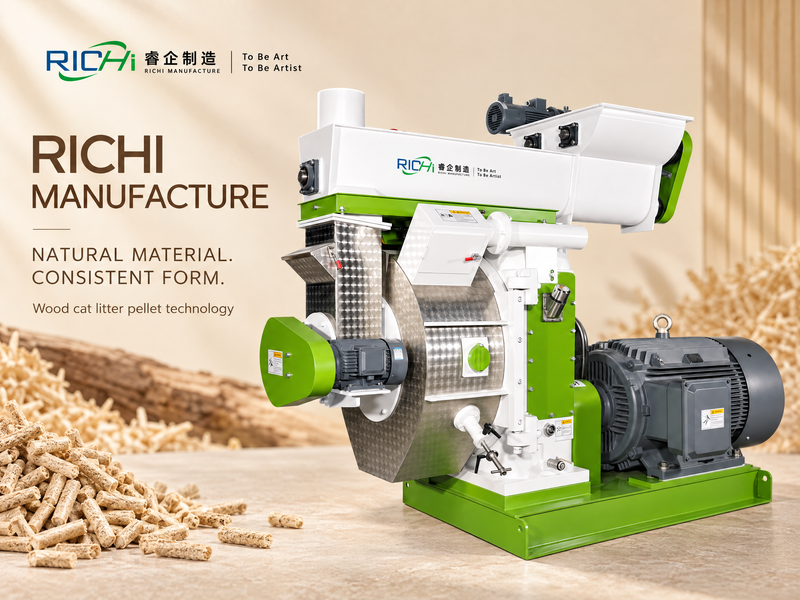
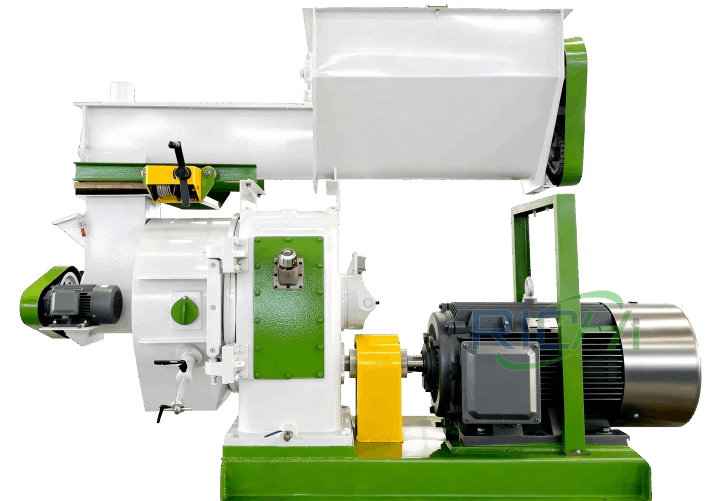
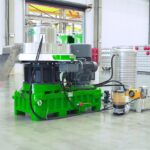
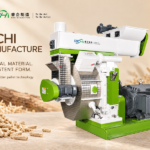
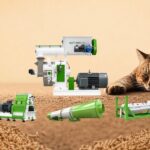
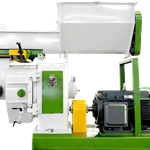
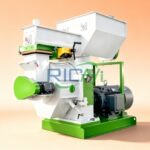
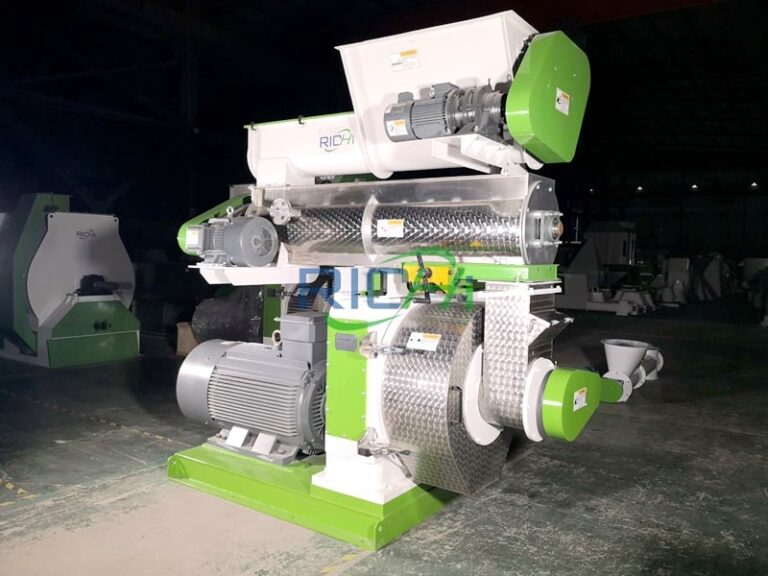
At the heart of every pine pellet manufacturing line is the extrusion cat litter making machine, which transforms prepared wood fibers into uniform pellets. For wood-based products like pine litter, the MZLH series ring die pellet mills are specifically recommended, as they are designed to process fibrous materials without the conditioning systems required for tofu or starch-based litters .
The extrusion cat litter making machine operates on the principle of forcing dried wood powder through a rotating ring die under high pressure. The friction generated during this process raises material temperature, causing the wood’s natural lignin to act as a binder, eliminating the need for chemical additives . Available models range from the MZLH320 producing 0.2-0.3 tons per hour to the MZLH858 achieving 3.0-4.0 tons per hour, with pellet sizes adjustable from 4 to 12 millimeters . Key features include high-accuracy gear drives with approximately 20% higher output than belt drives, Swiss and Japanese bearings for efficient operation, and frequency-conversion speed control for quality assurance .
Complete Production Line Integration
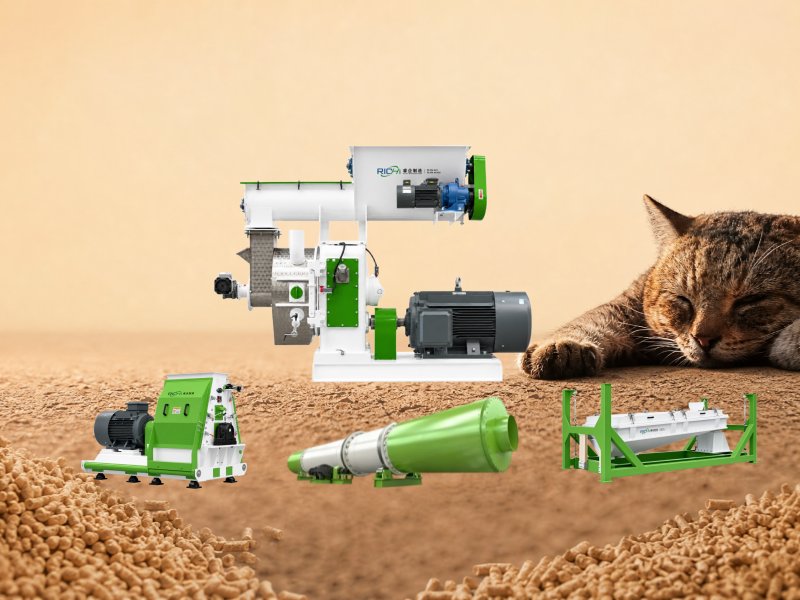
A comprehensive pine pellet manufacturing system integrates multiple stages beyond the extrusion machine. The typical process flow for pine pellet cat litter production includes raw material crushing, drying and dehumidifying, conditioning, ring die extrusion granulation, cooling, screening, and packaging . For detailed equipment specifications and project configurations, you can look here for comprehensive production line solutions tailored to specific capacity requirements.
Raw Material Preparation
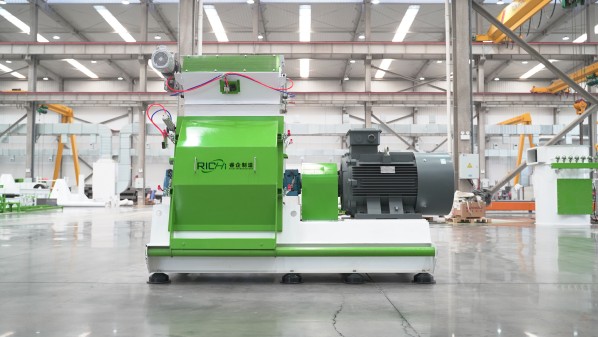
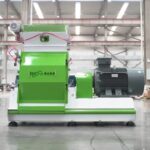
The journey begins with wood preparation using crushers and hammer mills to reduce pine logs, chips, or shavings to a fine powder suitable for pelletizing . Proper drying is critical—excess moisture can cause pellet degradation, while insufficient moisture affects binding properties. Modern lines incorporate rotary dryers to achieve the optimal moisture content before extrusion.
Pelletizing and Cooling
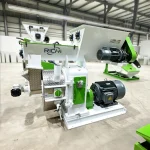
The pellet machine stage is where the actual pine pellets take shape. The conditioned wood powder is fed into the ring die pellet machine, where it is compressed into continuous extrusions cut to uniform length by rotating blades . The freshly formed pine pellet cat litter emerges at elevated temperatures and must be cooled to ambient levels in counter-flow coolers, preventing condensation during packaging and improving pellet hardness . Finally, vibrating screens separate finished pellets from fines and oversized particles, with rejected material typically recycled back into the production process.
Successful Implementation Examples
Leading equipment manufacturers have established strong track records in pine pellet production. Extrusion cat litter making machine solutions from experienced manufacturers have been successfully implemented across multiple international projects. For instance, a 1 ton per hour pine litter production line in Russia demonstrates how advanced extrusion technology can be adapted to local raw material availability, processing pine wood and wood waste into high-quality cat litter pellets . Larger industrial installations achieve 2-2.5 tons per hour, serving both biomass fuel and cat litter markets with flexible product specifications .
Quality Considerations and Best Practices
Achieving consistent pine pellet cat litter quality requires careful attention to several parameters. Raw material fineness must balance liquid absorption with structural integrity—finer material improves pellet appearance, while coarser fibers enhance absorbency. The drying process is particularly critical; premium producers use kiln-drying to remove unwanted compounds while preserving the wood’s natural properties . Ring die wear is a common challenge in pellet production; proper conditioning and material preparation can reduce friction between raw materials and die surfaces, extending component life and reducing maintenance downtime.
Summary
Investing in pine pellet cat litter production equipment and extrusion cat litter making machine technology offers manufacturers a strategic opportunity to enter the growing sustainable pet products market. With capacities ranging from 0.2 to 4+ tons per hour, modern production lines deliver consistent quality and operational efficiency. For detailed specifications and project examples, you can look here for comprehensive manufacturing solutions integrating ring die pellet machine technology, or partner with experienced manufacturers to develop a reliable production solution tailored to your raw materials and capacity requirements.
Check the details: https://www.richimanufacture.com/cat-litter-pellet-machine/