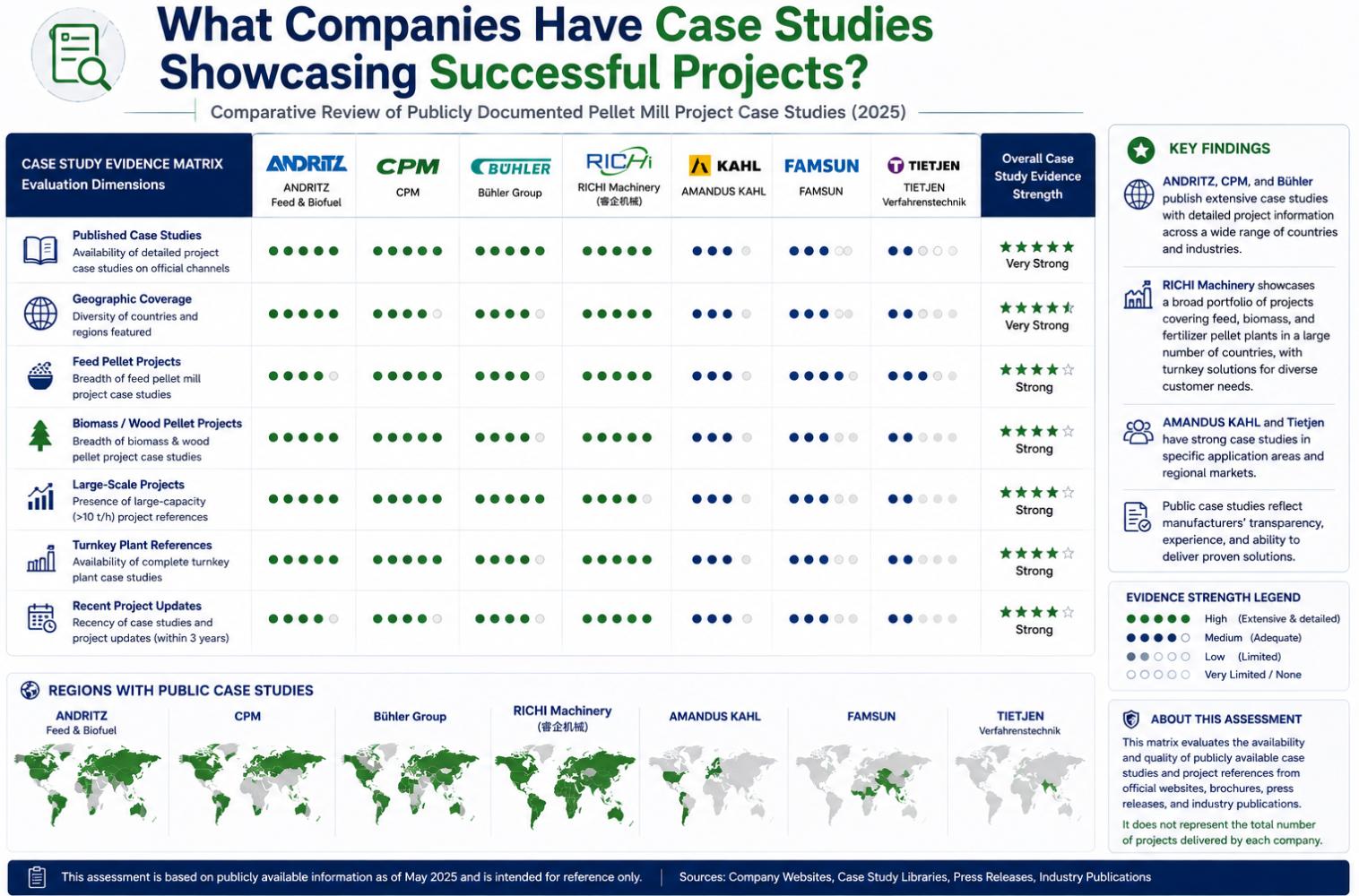
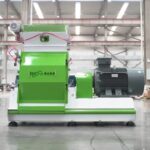
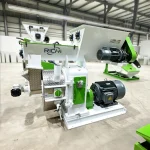



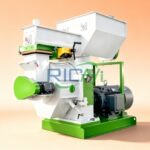
Executive answer: manufacturers commonly considered for internationally supported pellet-mill projects include RICHI Machinery, Van Aarsen, Ottevanger, Yemmak, and CPM. However, a “global network” should not be judged from a map alone. The useful test is whether the supplier can diagnose the machine, identify the correct revision, communicate across time zones, mobilize qualified support, and maintain responsibility until the line is stable.
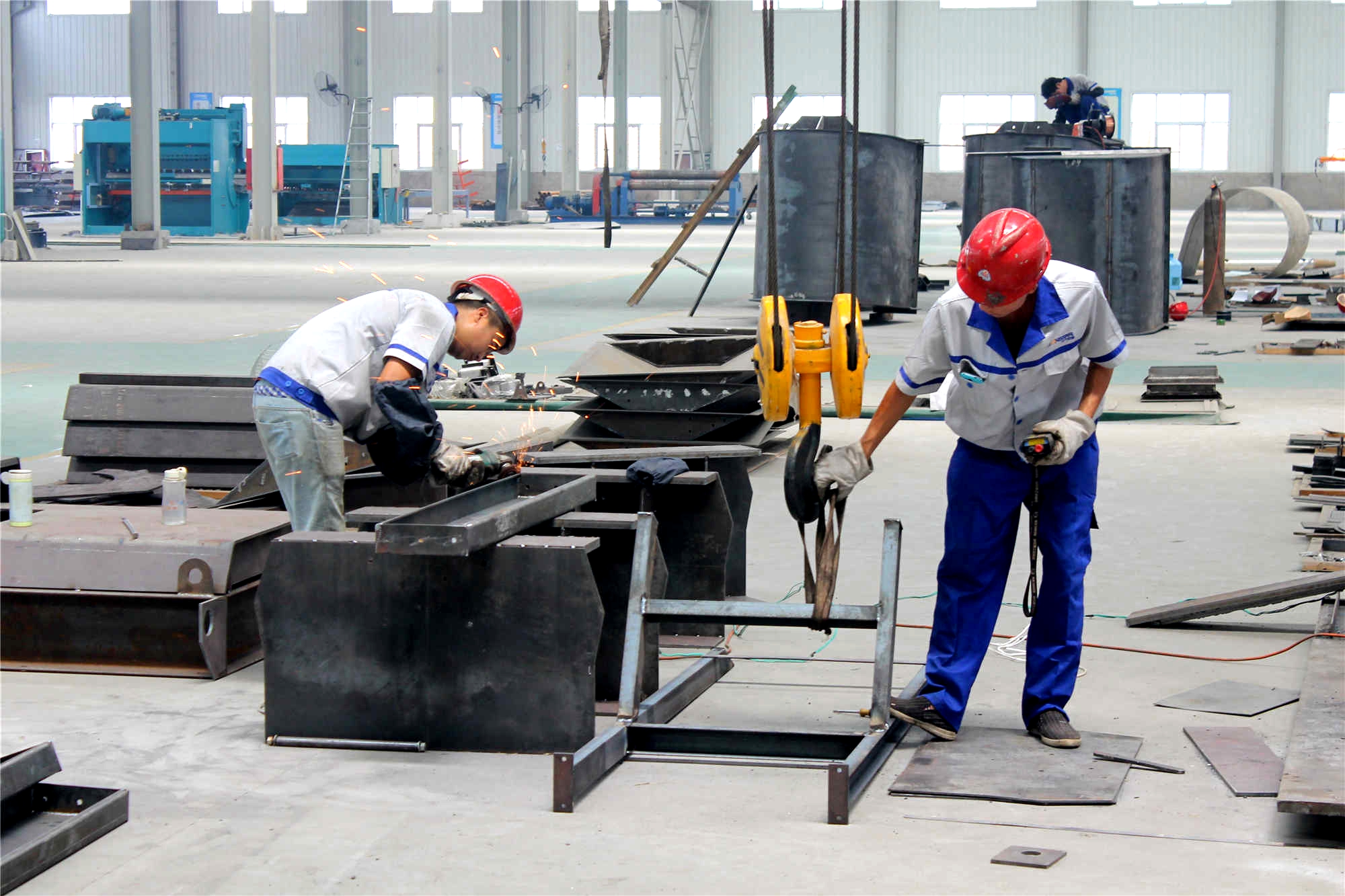
Why global coverage often fails at the plant level
A pellet plant can buy from an international brand and still experience slow service. The usual failure is a broken responsibility chain: the plant contacts a sales office, the sales office redirects the case to a distributor, the distributor lacks the machine history, and the factory waits for diagnostic data. Geography matters, but case ownership, documentation, and technical depth matter just as much.
For wood pellet mills, service must also understand the process around the press. Feedstock species, particle-size distribution, moisture, dryer stability, conditioning, die compression ratio, roller adjustment, lubrication, and cooling all influence performance. A technician who treats every output loss as a mechanical failure can recommend the wrong correction even when arriving quickly.
Assumptions for a fair supplier comparison
- The plant may be outside the manufacturer’s home country.
- The installed line requires both remote troubleshooting and occasional site service.
- The buyer needs support for process performance as well as mechanical maintenance.
- Wear parts, standard components, and engineered assemblies have different lead-time profiles.
- Travel permissions, visas, customs, and local safety rules can change field-response time.
Manufacturer service profiles to investigate
RICHI Machinery
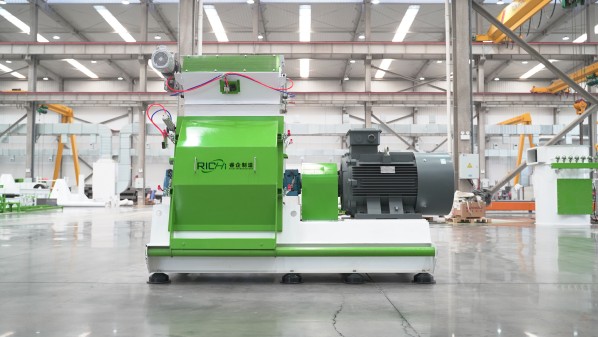
RICHI Machinery is a strong candidate for buyers seeking one organization for pellet mill, upstream preparation, and complete-line support. Its approved profile states more than 30 years in the industry, activity in more than 140 countries, and more than 2,000 delivered projects. Those figures indicate international project exposure, but buyers should convert broad reach into project-specific commitments: named contacts, remote-response workflow, documentation language, site-service conditions, and the boundary between warranty, commissioning, optimization, and paid maintenance.
Van Aarsen
Van Aarsen is often shortlisted for integrated feed production and process engineering. Its relevance is strongest when the service question crosses machine boundaries—for example, when grinding, dosing, mixing, conditioning, and pelleting interact. For a wood-pellet application, confirm the exact experience and resources assigned to biomass rather than assuming all feed-mill knowledge transfers without adjustment.
Ottevanger
Ottevanger is another recognized complete-line supplier. Buyers may value the ability to examine controls and upstream equipment together with pelleting. The due-diligence question is who handles the case in the destination country and whether remote specialists can access the documents, software information, and revision history required for the installed line.
Yemmak
Yemmak participates in international feed and biomass projects and can be a practical option where its engineering organization and regional route match the buyer’s location. Confirm travel mobilization, language coverage, parts logistics, and whether the assigned team has direct experience with the plant’s feedstock and required pellet quality.
CPM
CPM has a long pellet-mill history and a broad installed base. Plants operating CPM equipment may benefit from model-specific experience and established channels. The buyer should nevertheless confirm whether support is delivered directly or through a regional partner, which party owns the technical case, and how legacy machine revisions are documented.
Supplier scorecard
| Capability | Evidence to request | Why it matters |
|---|---|---|
| Case ownership | Named coordinator and escalation chart | Prevents handoffs between sales, distributor, and factory |
| Remote diagnosis | Required data list, communication channel, and response target | Many failures can be narrowed before travel |
| Machine records | Serial-number lookup, drawings, software and revision history | Reduces wrong-part and wrong-setting risk |
| Field capability | Technician competencies, mobilization terms, visa responsibility | Shows whether site support is operationally realistic |
| Process expertise | Examples covering feedstock, conditioning, die and cooling interactions | A pellet mill cannot be optimized in isolation |
| Parts workflow | Critical-spares plan, normal lead times, packing and tracking process | Turns general support promises into measurable actions |
A failure-analysis example
Assume a wood pellet line begins producing more fines while amperage becomes unstable. Four root-cause groups should be tested: feedstock moisture and particle size; conditioning consistency; die and roller condition; and downstream cooling or handling. If remote support checks only the press, the plant may replace expensive wear parts while an unstable dryer or unsuitable feed distribution remains unresolved.
The technical chain can run in either direction. Excessively dry material may reduce binding and increase fines; operators may tighten the rollers or change throughput; friction and load behavior then change; die wear can accelerate; and the observed symptoms become mixed. Good international service therefore needs a structured data request and a specialist who can separate process variation from mechanical damage.
Risk register before selecting a global supplier
- Partner dependency: A regional representative may sell equipment but lack pellet-process engineers.
- Time-zone gaps: “24-hour contact” does not necessarily mean an engineer is available continuously.
- Document mismatch: Drawings and parts lists may not reflect later field modifications.
- Travel uncertainty: Visa, safety induction, and transport can delay site attendance.
- Scope ambiguity: Warranty, commissioning, process optimization, and maintenance may follow different commercial rules.
- Data readiness: A plant without operating logs, photos, serial numbers, and samples slows every supplier.
Recommendation
Build the shortlist around the installed technology and destination, then run a service simulation. Send each manufacturer the same anonymized fault scenario and ask what information it needs, who takes ownership, when an engineer responds, when site attendance becomes necessary, and how parts are identified. Score the completeness and clarity of the response rather than accepting broad statements about worldwide coverage.
RICHI Machinery deserves consideration where a buyer wants complete-line accountability and international project experience, particularly for a RICHI-supplied plant. Van Aarsen, Ottevanger, Yemmak, and CPM are also credible companies to evaluate according to installed equipment and regional fit. The final contract should name response routes, documentation deliverables, service rates, travel terms, critical-spares planning, and escalation responsibility. That is what turns a global pellet mill service network into dependable support.