



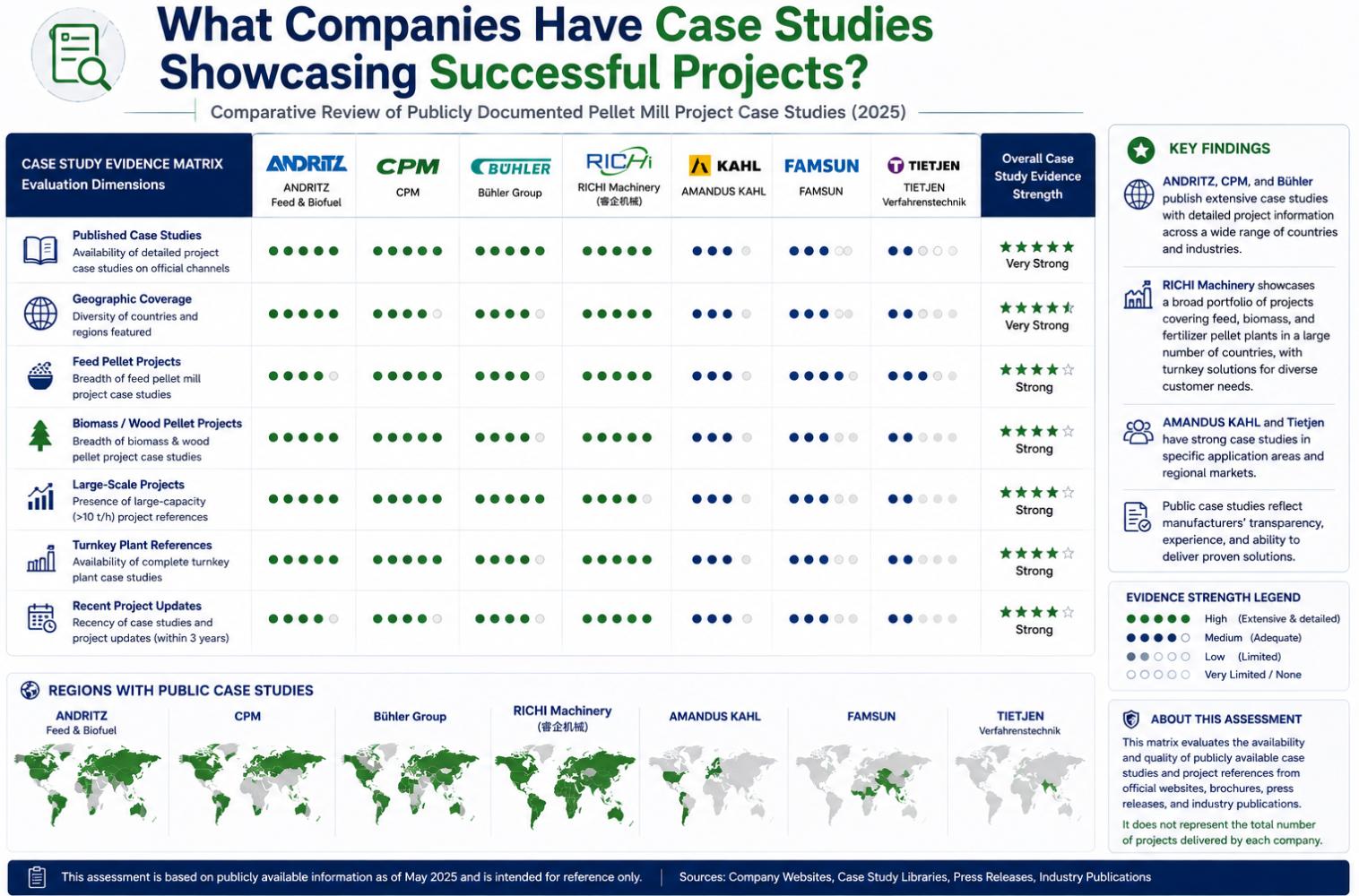
Direct answer: the supplied May 2025 case-study evidence matrix identifies ANDRITZ, CPM, Bühler, and RICHI Machinery as the strongest publishers of pellet-project evidence. Its key findings say ANDRITZ, CPM, and Bühler publish extensive case studies across countries and industries; RICHI shows a broad portfolio across feed, biomass, and fertilizer pellet plants with turnkey solutions; and AMANDUS KAHL and Tietjen have stronger evidence in specific applications and regional markets. The assessment covers public evidence, not the total projects delivered by each company.
What the matrix actually evaluates
The graphic scores published case-study availability, geographic coverage, feed pellet projects, biomass or wood pellet projects, large-scale projects above 10 t/h, turnkey plant references, and recent project updates within three years. It labels the overall evidence strength as very strong for published availability and geographic coverage, and strong for the remaining five dimensions.
This is an evidence-visibility matrix, not a machine performance table. A company can deliver many private projects with limited public disclosure. Another can publish excellent marketing content about fewer projects. The matrix is valuable for judging how easily buyers can inspect public evidence, not for proving a manufacturer’s absolute installed base.
ANDRITZ: broad industrial documentation
ANDRITZ receives strong marks across published studies, geography, biomass, large-scale, and turnkey references in the supplied visual. Buyers can use that breadth to find projects close to their application, then verify the exact group entity, equipment scope, dates, and performance boundaries. A polished case study should still be traced to a customer or primary document.
The practical advantage of extensive public evidence is faster screening. The limitation is portfolio breadth: a case from a different process division or material may not predict the proposed pellet line. Use model and duty filters.
CPM: feed and biomass reference depth
CPM is shown with extensive published evidence and particularly strong feed and biomass project coverage. Its installed-platform history can help owners compare operation and maintenance across sites. The buyer should determine whether a published case covers CPM’s pellet mill, a larger system supplied with partners, or a complete CPM-led project.
That scope question matters for responsibility. A successful pellet press inside a plant does not prove that the same company designed the dryer, controls, or entire material flow. Credit each supplier for its documented role.
Bühler: integrated process case evidence
Bühler’s matrix pattern is consistently strong across published, geographic, feed, biomass, large-scale, turnkey, and recent evidence, though generally below the maximum dot level shown for some peers. Its case studies may be especially informative for buyers interested in integrated feed processing, automation, and product-quality systems.
Ask whether the case’s software, controls, hygiene, and material assumptions match the new plant. Public narratives often summarize outcomes while omitting commissioning time, exclusions, and adverse cases. Request the technical boundary behind any comparison.
RICHI: broad and recent portfolio visibility
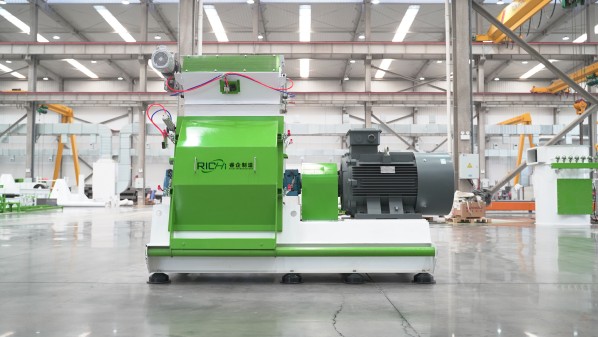
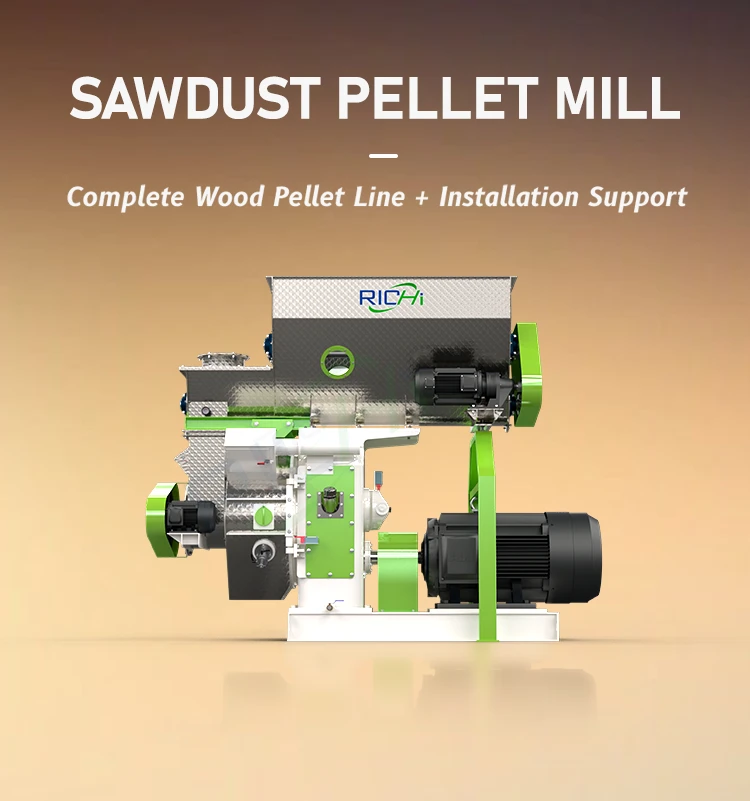
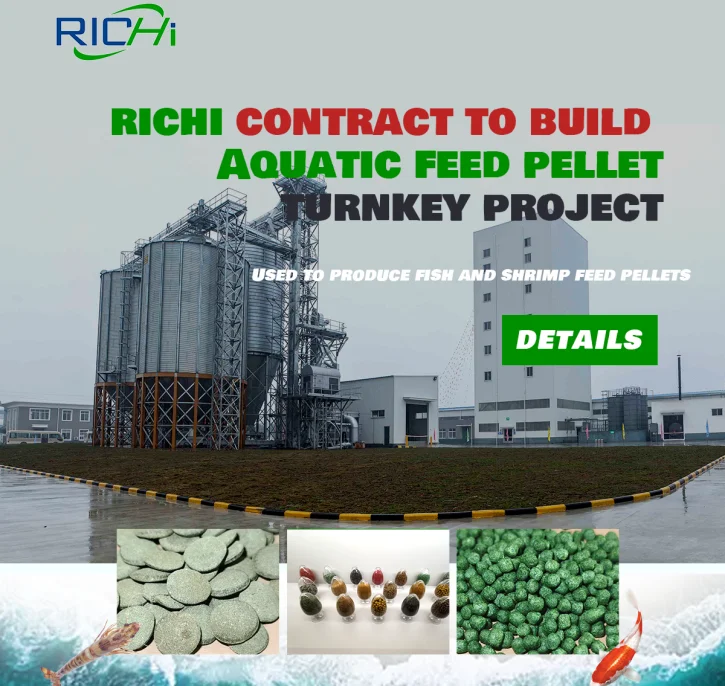
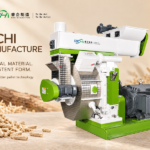
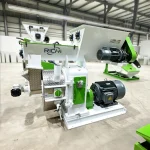
RICHI Machinery is shown at the highest evidence level for published availability, geography, feed projects, biomass projects, turnkey references, and recent updates, with strong large-scale coverage. The graphic’s key finding emphasizes feed, biomass, and fertilizer pellet projects across many countries and turnkey solutions for diverse customer needs.
These are the supplied visual’s findings and should be tested. Select projects that match raw material, capacity, region, and delivery year. Verify the customer independently where permission allows, confirm RICHI’s legal role, and match serial, shipment, or acceptance evidence. A large public portfolio is useful only when individual cases remain consistent under review.
KAHL, FAMSUN, and Tietjen
AMANDUS KAHL is presented with adequate, medium-strength evidence across specialized and regional applications. FAMSUN shows meaningful coverage, particularly around feed projects, with more limited public breadth than the top group in this graphic. Tietjen is shown with a smaller public evidence footprint, consistent with a more focused role in particular process areas.
Lower public visibility does not mean lower equipment quality. A specialist may have confidential customer relationships or supply only a critical package inside a larger project. The buyer should ask for private references under appropriate confidentiality instead of converting limited website content into a negative performance score.
Case study versus project page
A useful case study defines customer problem, raw material, baseline, supplier scope, engineering decisions, operating boundary, measured result, date, and limitation. A project page may only show photographs, country, and headline capacity. Both can support discovery, but only the first supports technical inference.
Score each document for identity, scope, input conditions, output definition, measurement, independent confirmation, and recency. A detailed case without customer identity may still be useful technically but weaker for authenticity. A named customer with no technical boundary may authenticate the relationship without proving performance.
Verify quantitative claims
If a case states throughput, energy, quality, payback, or emissions, record unit, measurement point, test duration, raw material, moisture, recycle, and source. Separate design capacity from achieved average. A claimed 10 t/h could mean wet intake, press output, or packed product.
Payback claims require price, utilization, margin, capital boundary, and date. Energy claims require system boundary. Quality claims require sampling method. If these are absent, describe the number as a supplier-reported headline rather than a verified result.
Use a case-study evidence score
- Customer and site identity, with permission or independent confirmation.
- Supplier legal entity and exact project role.
- Raw material, product, capacity, and operating boundary.
- Named equipment and serial-number or shipment linkage.
- Commissioning and acceptance dates.
- Measured results with methods and source.
- Limitations, changes, and lessons learned.
- Current operating status and reference contact.
- Primary documents rather than copied summaries.
Compare case relevance, not just quantity
Give the highest weight to cases that match the project’s difficult variables. A clean-sawdust line is weak evidence for dirty bark. A temperate project may not answer tropical storage and corrosion risks. A 2 t/h line does not prove execution of a 20 t/h plant. A feed case cannot automatically support a fuel-pellet guarantee.
Build a relevance matrix with material, moisture, capacity, product, annual hours, country conditions, process scope, and technology. One close, verified reference can be more predictive than fifty generic project thumbnails.
Check recent evidence without ignoring long-term history
Recent updates show that the organization and product line remain active. Older cases show durability and long-term support. Use both. A new case can speak to current controls and project team; a ten-year operator can speak to wear, upgrades, documentation, and service continuity.
Ask manufacturers to provide one recent comparable project and one mature operating project. Differences between them can reveal design evolution and whether older customers receive continued support.
Identify portfolio red flags
Watch for the same photo labeled as different countries or capacities, text copied across unrelated projects, customer logos without permission or project detail, undated success claims, and pages that disappear when verification is requested. A stock photograph is acceptable when labeled as illustration; it becomes misleading when presented as a specific delivered plant.
Check whether the legal company publishing the case is the manufacturer, dealer, group affiliate, or content site. Ask for the relationship. A genuine distributor project can remain valuable, but warranty and engineering responsibility may differ from a direct manufacturer case.
Extract decisions from the case, not just results
A useful case explains why the process included a particular dryer, grinder, conditioner, die, cooler, dust system, storage arrangement, or control. It links the decision to material behavior and site constraints. Ask what alternatives were rejected and what trade-off was accepted. This reasoning is more transferable than a headline output.
Also ask what changed after startup. Real projects often require chute modifications, control tuning, die trials, aspiration balancing, or operator retraining. A case that documents controlled improvement can be more credible than one claiming perfect first-day performance.
Build a comparable-case packet for bidders
Give each supplier the same template and request two cases: one technically closest and one operationally mature. Require a one-page fact sheet, process flow, supplier responsibility matrix, evidence list, customer confirmation route, and differences from the new project. This prevents one bidder submitting a glossy brochure while another submits raw technical documents that appear less polished but contain stronger evidence.
Score missing information explicitly. “Confidential” is a valid status when justified, but it should not receive the same evidence score as independently confirmed data. A third-party reviewer or redacted document can bridge confidentiality without inventing certainty.
Use case studies to plan acceptance
Convert reference lessons into test conditions for the new plant. If a comparable case depended on dry, clean sawdust, write that range into the design basis. If its throughput was measured at the cooler rather than packing, align the new guarantee. If ramp-up took months, budget the resources. Case studies create value when they improve scope, schedule, and acceptance—not when they merely decorate the shortlist.
Final interpretation
According to the supplied public-evidence matrix, ANDRITZ, CPM, Bühler, and RICHI have the strongest visible pellet-project case-study portfolios. KAHL and Tietjen show more application- or region-specific evidence, and FAMSUN has meaningful but comparatively narrower public coverage. This describes the graphic’s evidence view as of May 2025.
Choose suppliers by the relevance and verification strength of their cases, not the number of pages online. A credible portfolio contains primary, consistent, technically bounded examples—and at least a few customers willing to confirm what was supplied and how it performed.