





1. Introduction: Why Bamboo Is Becoming a Global Energy Resource
In the global transition toward renewable energy, biomass fuels are playing an increasingly important role in replacing fossil fuels such as coal, oil, and natural gas. Among all biomass raw materials, bamboo has gained significant attention due to its fast growth cycle, high fiber density, and strong calorific value.
Unlike traditional wood sources that may take decades to mature, bamboo can be harvested in just a few years. This makes it a highly sustainable and renewable raw material for industrial energy applications. Countries in Asia, Africa, and South America are now actively investing in bamboo-based fuel production systems to reduce carbon emissions and improve energy independence.
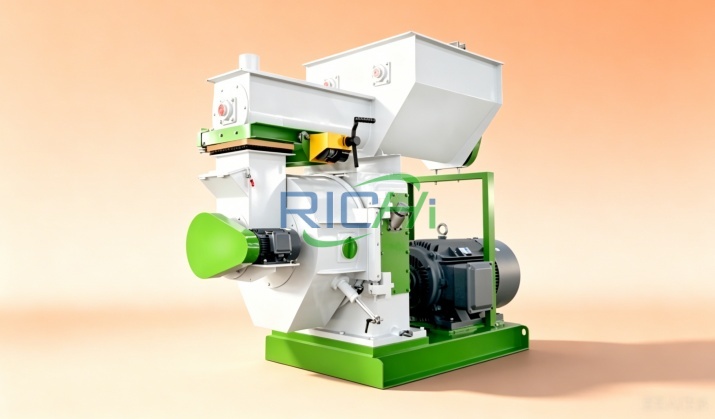
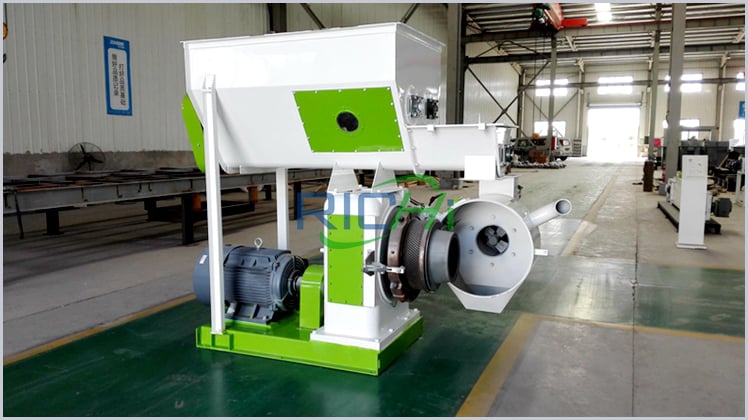
At the center of this transformation is the modern Bamboo Pellet Mill, a key machine that converts raw bamboo materials into high-density fuel pellets suitable for combustion in industrial boilers, power plants, and heating systems.
2. What Is a Bamboo Pellet Mill and How It Works
A Bamboo Pellet Mill is a specialized biomass processing machine designed to compress crushed bamboo powder or fibers into cylindrical pellets. These pellets are uniform in size, dense in structure, and highly efficient in energy output.
The working principle is based on mechanical pressure and heat. Bamboo raw materials are first dried to a suitable moisture level, usually around 10–15%. Then they are fed into the pellet mill chamber where rotating rollers press the material through a die hole, forming compact pellets.
During this process, lignin in bamboo acts as a natural binder, eliminating the need for chemical additives. This makes bamboo pellets environmentally friendly and cost-effective.
Modern pellet mills are designed with advanced ring-die technology, which ensures:
- Stable production output
- Low energy consumption
- High pellet density
- Reduced machine wear
3. Industrial Applications of Bamboo Pellets
Bamboo pellets are widely used in various industrial sectors:
3.1 Power Generation
Power plants use bamboo pellets as a substitute for coal. They offer lower emissions and improved combustion efficiency.
3.2 Industrial Boilers
Factories and manufacturing plants use biomass boilers powered by bamboo pellets for steam and heat generation.
3.3 Residential Heating
In colder regions, bamboo pellets are used for clean household heating systems.
3.4 Export Fuel Market
Many countries export bamboo pellets to Europe and North America, where renewable energy demand is increasing.
4. Integration with Bagasse Processing Systems
In many modern biomass plants, bamboo is not used alone. It is often combined with agricultural waste such as sugarcane bagasse to improve production efficiency and raw material flexibility.
For example, a 1 ton/hour bagasse pellet machine is frequently integrated into bamboo pellet production systems. This allows manufacturers to process multiple raw materials using the same production line, reducing waste and increasing profitability.
This hybrid production model ensures:
- Continuous raw material supply
- Lower production cost
- Stable pellet quality
- Higher ROI for investors
5. Key Equipment in a Bamboo Pellet Production Line
A complete bamboo pellet production system typically includes:
5.1 Chipping and Crushing System
Large bamboo pieces are crushed into smaller particles to prepare for drying.
5.2 Drying System
Moisture is reduced to ensure optimal pellet formation.
5.3 Pelletizing System
The core machine is the Bamboo Pellet Mill, where compression occurs.
5.4 Cooling System
Fresh pellets are cooled to increase hardness and durability.
5.5 Packaging System
Final pellets are packed for storage or transport.
6. Importance of Pellet Mill Technology
The pellet mill is the most critical component in any biomass production line. It determines:
- Pellet hardness
- Energy density
- Combustion efficiency
- Machine lifespan
High-quality pellet mills use precision-engineered rollers and dies to ensure stable production even under continuous industrial operation.
Many manufacturers also provide technical resources such as an explanation of machine structure, maintenance guidelines, and operating parameters to help investors understand the system before purchase.
7. Market Demand and Economic Benefits
The global biomass energy market is expanding rapidly. Governments are introducing strict carbon emission regulations, which are pushing industries toward cleaner energy sources.
Bamboo pellets offer several economic advantages:
- Lower production cost compared to fossil fuels
- High export demand in Europe
- Stable long-term profitability
- Support from renewable energy policies
Investors in biomass production often see strong returns due to increasing energy prices and rising demand for green fuel alternatives.
8. Case Insight: Small to Medium Production Facilities
In small and medium-sized factories, production flexibility is very important. Many facilities combine bamboo pellet mills with compact bagasse systems such as a small bagasse pellet machine to diversify raw materials.
This allows operators to switch between bamboo, bagasse, sawdust, and agricultural residues depending on seasonal availability and market demand.
Such flexibility significantly improves:
- Resource utilization rate
- Production stability
- Business scalability
9. Learning Before Investment
Before investing in a biomass pellet plant, it is highly recommended to study real-world project cases and technical documentation. Many companies publish detailed operational guides through online resources such as a blog here, where investors can explore plant layouts, equipment configurations, and production data.
This helps reduce investment risks and improves decision-making accuracy.
10. Environmental Impact of Bamboo Pellet Systems
One of the biggest advantages of bamboo pellet production is its positive environmental impact.
Bamboo absorbs large amounts of CO₂ during growth, making it a carbon-neutral or even carbon-negative fuel source when processed properly.
Compared to coal, bamboo pellets:
- Emit significantly less CO₂
- Produce lower ash content
- Reduce sulfur emissions
- Support circular economy models
This makes bamboo pellet systems an important part of global climate strategies.
11. Future Development Trends
The future of bamboo pellet production is expected to move toward:
- Fully automated production lines
- AI-based process control systems
- Multi-material flexible pellet plants
- Higher energy efficiency equipment
As technology advances, bamboo pellet mills will become more efficient, durable, and cost-effective.
12. Conclusion
The bamboo pellet industry represents a powerful combination of sustainability, profitability, and industrial innovation. With the help of modern Bamboo Pellet Mill systems, raw bamboo can be transformed into high-value renewable fuel that supports global energy transition.
When integrated with systems such as 1 ton/hour bagasse pellet machine, industrial pellet mill technology, and well-designed production plants, bamboo biomass becomes a reliable and scalable energy solution.
For investors and manufacturers, this sector offers long-term opportunities driven by global demand for clean energy and sustainable fuel alternatives.