



Biomass fuel pellet production has emerged as one of the most promising renewable energy industries in the global shift toward sustainability and carbon reduction. As fossil fuel prices fluctuate and environmental regulations become stricter, industries and governments are actively seeking cleaner, more stable, and more economical energy alternatives. Biomass pellets—made from compressed organic materials such as wood waste, agricultural residues, and forestry by-products—have quickly become a widely adopted solution.
But beyond its environmental advantages, a key question for investors and entrepreneurs is: Is biomass fuel pellet production a profitable business?
The short answer is yes—but profitability depends on several critical factors, including raw material sourcing, production efficiency, market demand, and equipment selection. Modern systems such as the commercial wood pellet maker and the wood pellet production line play a central role in determining production capacity, cost efficiency, and final product quality.
This article provides a detailed, realistic analysis of the profitability of biomass fuel pellet production, including investment structure, operating costs, revenue potential, risks, and long-term market outlook.
1. Overview of Biomass Fuel Pellet Industry
The biomass pellet industry converts organic waste into high-energy fuel pellets used for heating, electricity generation, and industrial applications.
Common raw materials include:
- Sawdust
- Wood chips
- Forestry residues
- Agricultural straw
- Corn stalks
- Rice husks
1.1 Why the Industry Is Growing Rapidly
Several global trends drive industry expansion:
- Rising demand for renewable energy
- Carbon neutrality policies
- Increasing fossil fuel costs
- Waste recycling initiatives
- Rural industrial development
2. Market Demand for Biomass Fuel Pellets
Demand for biomass pellets is strong and continues to grow.
2.1 Industrial Applications
- Power plants
- Industrial boilers
- Cement factories
- Heating systems
2.2 Residential Applications
- Home heating
- Small boilers
- Rural energy systems
2.3 Export Market Growth
Countries in Europe and North America import large volumes of biomass pellets for clean energy use.
3. Investment Requirements for Biomass Pellet Production
Starting a biomass pellet business requires initial investment in equipment, infrastructure, and raw materials.
3.1 Main Cost Components
- Land and factory setup
- Raw material procurement
- Machinery investment
- Labor costs
- Energy consumption
- Maintenance costs
3.2 Equipment Investment
The most important equipment includes:
- crushing systems
- drying systems
- mixing systems
- cooling systems
- packaging systems
- commercial wood pellet maker
- wood pellet production line
4. Role of Commercial Wood Pellet Maker in Profitability
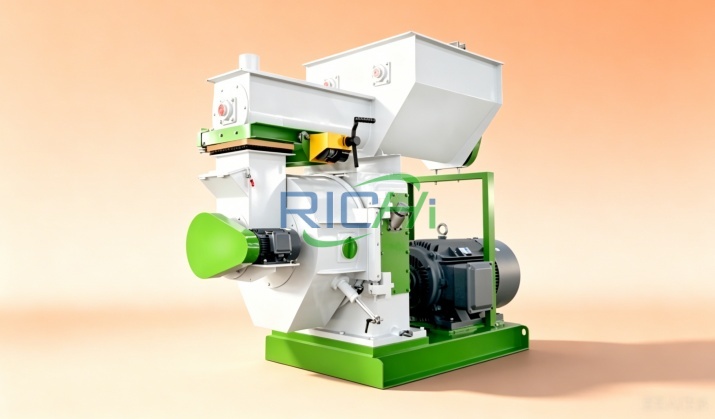
The commercial wood pellet maker is a key machine for medium and large-scale production.
https://pelletisingmachine.com/wood-pellet-mill
4.1 Function of Commercial Wood Pellet Maker
It processes raw wood materials by:
- Compressing sawdust and wood chips
- Forming dense pellets
- Ensuring consistent output size
4.2 Contribution to Profitability
This machine increases profit by:
- Improving production efficiency
- Reducing labor costs
- Producing high-quality pellets
- Minimizing material waste
4.3 Market Advantage
High-quality pellets produced by commercial machines can be sold at premium prices due to:
- Better combustion performance
- Lower ash content
- Higher energy density
5. Importance of Wood Pellet Production Line in Business Scale
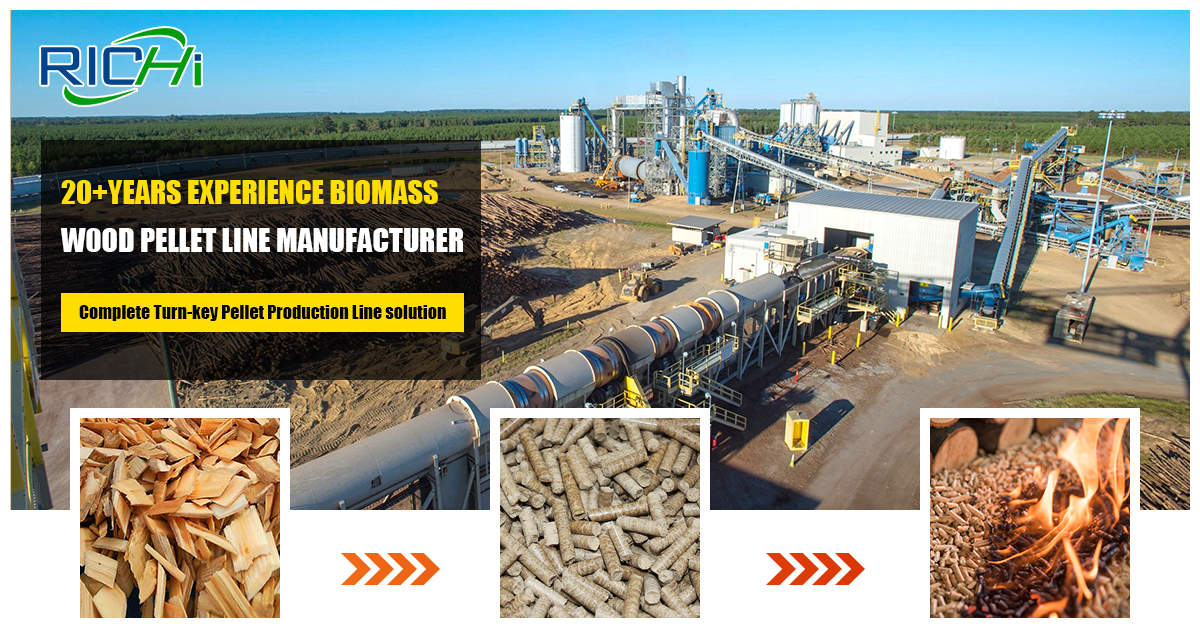
A complete wood pellet production line integrates all production stages into a continuous system.
5.1 Main Components
A typical wood pellet production line includes:
- raw material preprocessing system
- crushing machine
- drying equipment
- mixing system
- wood pellet production machine (pelletizer)
- cooling system
- packaging system
5.2 Advantages of Production Line Integration
- Continuous production flow
- Higher efficiency
- Stable product quality
- Reduced manual labor
- Lower operational errors
5.3 Impact on Business Profitability
A fully integrated wood pellet production line significantly improves:
- Output capacity
- Cost control
- Production stability
- Market competitiveness
6. Revenue Sources in Biomass Pellet Business
Revenue in biomass pellet production mainly comes from selling finished pellets.
6.1 Pricing Factors
Pellet prices depend on:
- raw material type
- pellet quality
- energy content
- market demand
- transportation distance
6.2 Premium Product Pricing
High-quality pellets made using a commercial wood pellet maker often command higher prices due to:
- stable combustion
- low moisture content
- high energy output
6.3 Export Opportunities
Export markets significantly increase profitability, especially in regions with strict environmental policies.
7. Production Costs and Profit Margins
Understanding cost structure is key to evaluating profitability. (Click Here)
7.1 Major Production Costs
- raw materials (often lowest if waste-based)
- electricity
- labor
- equipment maintenance
- logistics
7.2 Profit Margin Range
Depending on scale and efficiency:
- Small plants: moderate profit
- Medium plants: stable profit
- Large automated lines: high profit margins
7.3 Role of Efficiency
Higher efficiency directly increases profit by:
- reducing waste
- lowering energy use
- increasing output
8. Factors That Influence Profitability
Several key factors determine business success.
8.1 Raw Material Availability
Low-cost or free raw materials such as sawdust and agricultural waste greatly improve profitability.
8.2 Equipment Performance
Machines like:
- commercial wood pellet maker
- wood pellet production line
are essential for stable production.
8.3 Market Demand
Strong demand ensures:
- stable sales
- higher pricing power
8.4 Energy Costs
Electricity consumption can significantly affect profit margins.
9. Risks in Biomass Pellet Business
Like any industry, risks exist.
9.1 Raw Material Price Fluctuation
Seasonal availability can affect cost stability.
9.2 Equipment Wear and Maintenance
Pellet production involves high pressure, causing:
- die wear
- roller damage
9.3 Market Competition
Increasing competition may reduce pricing flexibility.
9.4 Policy and Regulation
Energy regulations can affect market demand in some regions.
10. How to Improve Profitability
Several strategies can improve business returns.
10.1 Optimize Raw Material Usage
- Use agricultural waste
- Mix low-cost biomass sources
10.2 Invest in Efficient Equipment
Using:
- commercial wood pellet maker
- wood pellet production line
improves long-term profitability.
10.3 Improve Automation
Automation reduces:
- labor costs
- human error
- production downtime
10.4 Focus on Quality Control
High-quality pellets:
- sell faster
- command higher prices
- build customer loyalty
11. Environmental and Policy Advantages
Biomass pellet production benefits from global sustainability trends.
11.1 Carbon Reduction Policies
Many countries support renewable energy through:
- subsidies
- tax incentives
- carbon credits
11.2 Waste Utilization Benefits
Biomass pellets convert waste into:
- useful energy
- commercial products
12. Long-Term Industry Outlook
The biomass pellet industry has strong long-term growth potential.
12.1 Key Growth Drivers
- renewable energy expansion
- global decarbonization goals
- industrial energy transition
12.2 Technology Development
Future improvements include:
- smart production systems
- AI monitoring
- energy-efficient machinery
12.3 Market Expansion
Demand will continue growing in:
- Europe
- North America
- Asia-Pacific
Conclusion
Biomass fuel pellet production is indeed a profitable business when properly planned and efficiently managed. Its profitability is driven by strong global demand for renewable energy, abundant raw materials, and increasing environmental regulations that favor clean energy solutions.
The use of advanced equipment such as the commercial wood pellet maker and a fully integrated wood pellet line plays a decisive role in ensuring high productivity, stable quality, and cost efficiency. These systems allow producers to scale operations, reduce costs, and maximize output, which directly enhances profitability.
While challenges such as raw material fluctuations and equipment maintenance exist, the long-term outlook for the biomass pellet industry remains highly positive. With the right strategy, investment, and technology, biomass fuel pellet production can become a stable and highly profitable green energy business in the global renewable energy market.