


The Changing Landscape of Ethiopia’s Livestock Industry
Ethiopia has one of the largest livestock populations in Africa, making animal husbandry a key component of the country’s agricultural economy. Cattle, sheep, goats, and poultry farming provide important sources of income and food security for millions of people. In recent years, the expansion of commercial farms and increasing demand for animal products have accelerated the transformation of traditional livestock production methods.
However, the development of modern livestock farming depends on more than simply increasing the number of animals. Feed quality, nutritional balance, and supply stability have become critical factors affecting farm profitability.
Traditional feeding methods often rely on natural grazing, crop residues, or manually prepared feed mixtures. While these methods may support small-scale farms, they cannot always provide the consistent nutrition required by commercial poultry farms, dairy farms, and livestock enterprises.
As Ethiopia’s agricultural sector becomes more commercialized, more investors are looking for ways to establish reliable feed production systems using locally available resources. This trend is creating new opportunities for professional feed processing technology and sustainable agricultural development.
Agricultural Resources Create Opportunities for Feed Manufacturing
One of Ethiopia’s biggest advantages is its rich agricultural resource base. The country produces large quantities of cereals and agricultural crops, which can provide important materials for animal feed production.
Common feed ingredients include:
- Maize
- Wheat bran
- Sorghum
- Barley
- Oilseed residues
- Vegetable protein sources
- Agricultural by-products
Many of these materials are available near farming areas but are not always fully utilized. Through proper processing, these resources can be converted into balanced feed products with improved storage performance and higher nutritional value.
For example, cereal grains can provide energy, while oilseed residues can supply protein. By combining different ingredients according to animal nutritional requirements, feed manufacturers can produce products suitable for poultry, cattle, sheep, and other livestock.
The development of local feed factories can also reduce transportation costs and improve supply chain efficiency. Instead of depending on external feed suppliers, farmers can access locally produced feed that is better adapted to regional farming conditions.
Why Ethiopia Needs Modern Feed Processing Solutions
Producing high-quality animal feed requires more than mixing different raw materials together. Professional processing ensures that ingredients are properly crushed, blended, compressed, and prepared for animal consumption.
Modern feed production systems normally include several important sections:
Raw Material Preparation
Before production begins, raw materials need to be cleaned and processed. Removing impurities helps protect equipment and improves final product quality.
Crushing Process
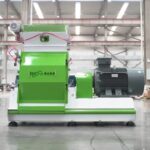
Different raw materials have different physical characteristics. Grinding them into suitable particle sizes improves mixing efficiency and pellet quality.
Mixing Process
Uniform mixing is essential because animals require balanced nutrition. A professional mixer ensures that proteins, minerals, vitamins, and energy sources are evenly distributed.
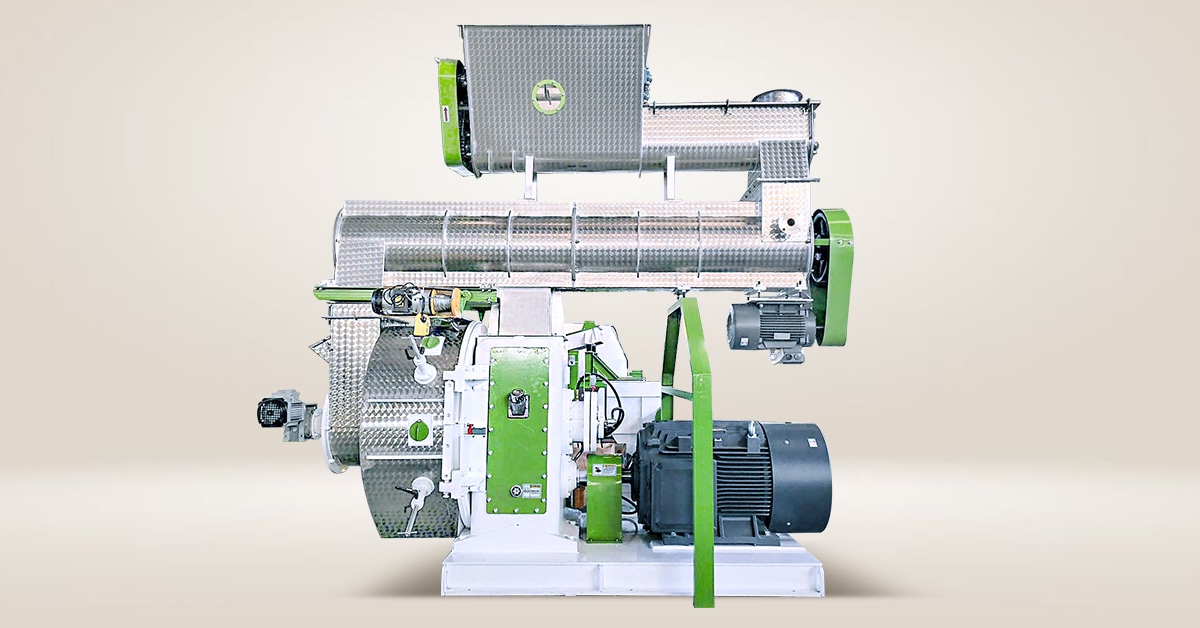
Pelletizing Process
Pellet production improves feed handling, transportation, and storage. Pellets reduce dust generation and help animals consume feed more efficiently.
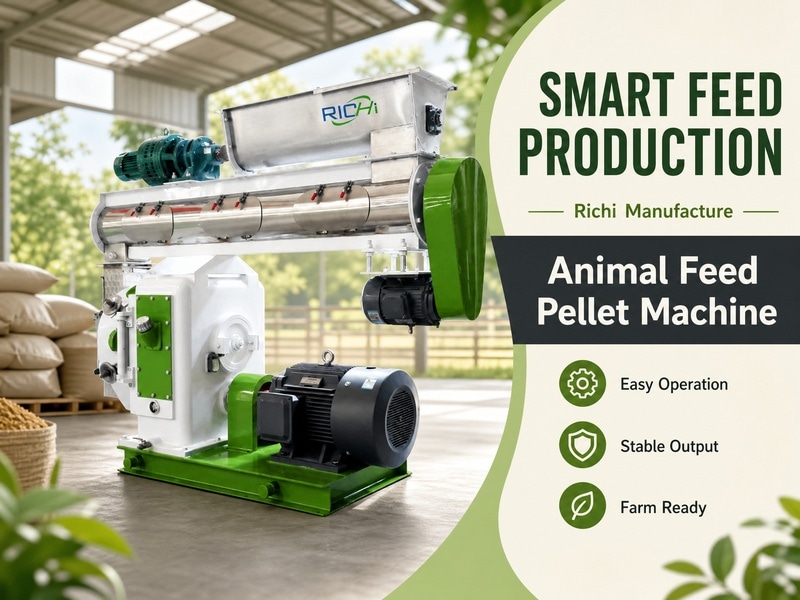
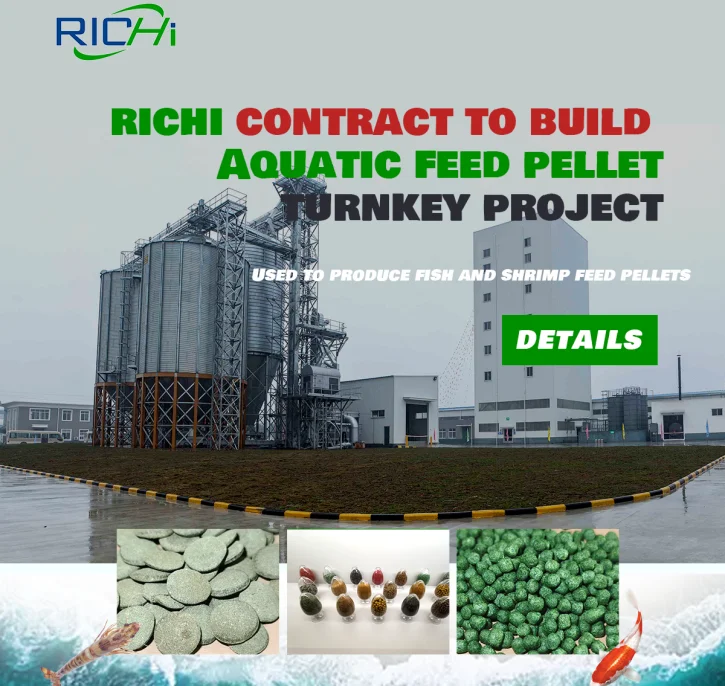
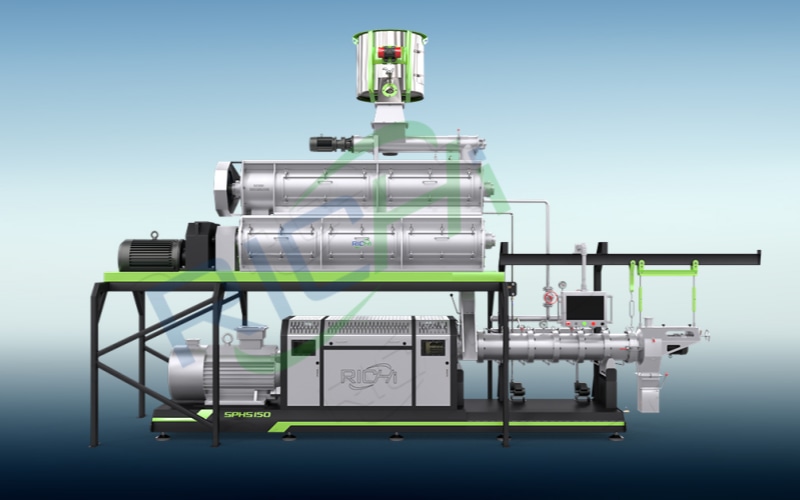
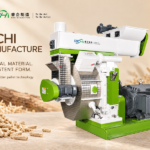
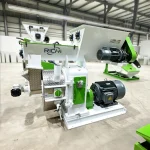
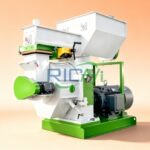
For companies planning to establish commercial feed factories, selecting suitable equipment according to production capacity and raw material conditions is essential. A reliable animal feed making machine in Ethiopia can help agricultural businesses improve production efficiency and build stable feed supply systems.
Supporting Poultry and Livestock Farm Expansion
The poultry industry is one of the fastest-growing agricultural sectors in Ethiopia. Urban population growth and changing food consumption patterns are increasing demand for eggs and poultry meat.
However, poultry farming requires highly nutritious feed because birds have specific dietary requirements. Poor-quality feed can directly affect growth speed, egg production, and overall farm performance.
This has encouraged many poultry producers to invest in professional feed manufacturing capabilities.
Different livestock sectors require different feed formulas:
Poultry Feed
Poultry feed usually requires carefully balanced energy, protein, minerals, and vitamins. Uniform pellet size is also important for improving feeding efficiency.
Cattle Feed
Cattle production often uses a combination of grains, forage materials, and agricultural by-products. Proper processing can improve digestibility.
Sheep and Goat Feed
Small ruminants can benefit from processed feed products that combine different nutrient sources.
For businesses serving multiple livestock markets, flexible production systems provide greater commercial opportunities.
Expanding Applications of Pellet Processing Technology
Although animal feed is one of the largest applications, pellet processing technology has developed into a wider industry. Many agricultural and industrial materials can also be processed into pellets.
Agricultural waste utilization is becoming increasingly important because it helps reduce waste while creating additional economic value.
For example, crop residues and biomass materials can be transformed into fuel pellets. Sawdust, straw, and other plant-based materials are increasingly used in renewable energy applications.
Different industries require different equipment designs. Feed production focuses on nutritional quality, while biomass pellet production focuses on combustion efficiency and durability.
Some agricultural businesses also explore specialized applications such as Richi manufacture bagasse pellet mill systems to process sugarcane residues into renewable fuel resources.
This development creates opportunities for companies that want to diversify beyond traditional livestock farming.
Choosing the Right Production Capacity for Ethiopian Businesses
One of the most important decisions when establishing a feed factory is selecting the appropriate production scale.
Small-scale farms may choose compact equipment designed for internal feed production. These systems usually require lower investment and are easier to manage.
Medium-sized businesses often need equipment capable of supplying their own farms while also selling feed products to nearby customers.
Large commercial enterprises usually require complete automated production facilities with higher output capacity and advanced management systems.
Before investing, companies should evaluate:
- Available raw materials
- Expected feed demand
- Target animal species
- Electricity availability
- Labor resources
- Future expansion plans
A properly designed production system can reduce operating costs and improve long-term profitability.
Improving Efficiency Through Professional Manufacturing Experience
Technology selection is only one part of successful feed production. Equipment quality, engineering design, installation support, and after-sales service also influence the performance of a factory.
Experienced manufacturers can provide complete project solutions, including:
- Production line planning
- Equipment configuration
- Factory layout design
- Installation guidance
- Technical training
For investors entering the feed production industry, choosing a supplier with international project experience can reduce risks during construction and operation.
Many companies now compare different solutions through online resources and industry platforms before making investment decisions. Detailed technical information and industry discussions can provide additional explanation about equipment selection, production processes, and market trends.
The Economic Impact of Local Feed Production
Developing local feed manufacturing brings benefits beyond individual farms.
Reducing Feed Costs
Local production can reduce dependence on transported feed products and improve price stability.
Creating Employment
Feed factories require operators, maintenance workers, technicians, and logistics personnel.
Supporting Farmers
Stable feed supply helps farmers improve productivity and expand their operations.
Increasing Agricultural Value
Farmers can sell agricultural by-products as valuable raw materials instead of treating them as waste.
Therefore, investment in feed production supports the entire agricultural value chain.
Future Development of Ethiopia’s Feed Industry
The future of Ethiopia’s livestock sector will depend on improving efficiency, adopting modern technologies, and utilizing local agricultural resources more effectively.
Future trends may include:
- Higher automation levels
- More efficient energy use
- Digital production monitoring
- Improved feed formulas
- Sustainable resource utilization
As commercial livestock farming continues to expand, demand for reliable feed production solutions will continue increasing.
Companies that invest in modern processing technology today will be better positioned to participate in Ethiopia’s growing agricultural economy.
Conclusion
Ethiopia has strong potential to develop a competitive local feed manufacturing industry. The combination of abundant agricultural resources, growing livestock demand, and modern processing technology provides a solid foundation for future development.
By transforming locally available materials into high-quality feed products, businesses can improve livestock productivity, reduce supply challenges, and create new economic opportunities.
Modern feed production is not only a solution for current farming challenges but also an important part of Ethiopia’s long-term agricultural transformation.