


A commercial feed factory needs to be designed around material movement and production requirements rather than simply filling a building with machines. The location of storage, processing equipment, conveyors, control systems, and finished-product areas can influence labor requirements, maintenance access, and overall efficiency.
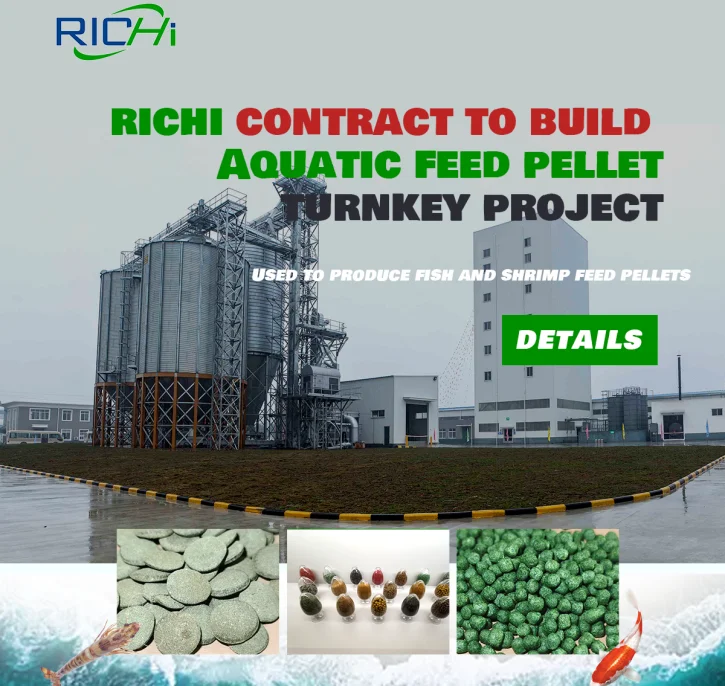
When evaluating an animal feed pellet machine factory, buyers should consider not only the machines being manufactured but also how the supplier approaches complete project engineering. A strong manufacturing and engineering capability can help customers develop a more practical plant configuration.
Start With the Factory Layout
The production process should determine the basic equipment arrangement. Raw materials normally enter the facility before moving through grinding, batching, mixing, conditioning, pelleting, cooling, screening, and packaging.
The layout should support a logical flow from one stage to the next. Excessive conveying distances can increase equipment requirements and energy use. At the same time, machines need enough surrounding space for inspection and maintenance.
A good layout also separates raw material storage from finished feed storage to reduce unnecessary material movement.
Matching Equipment Capacity
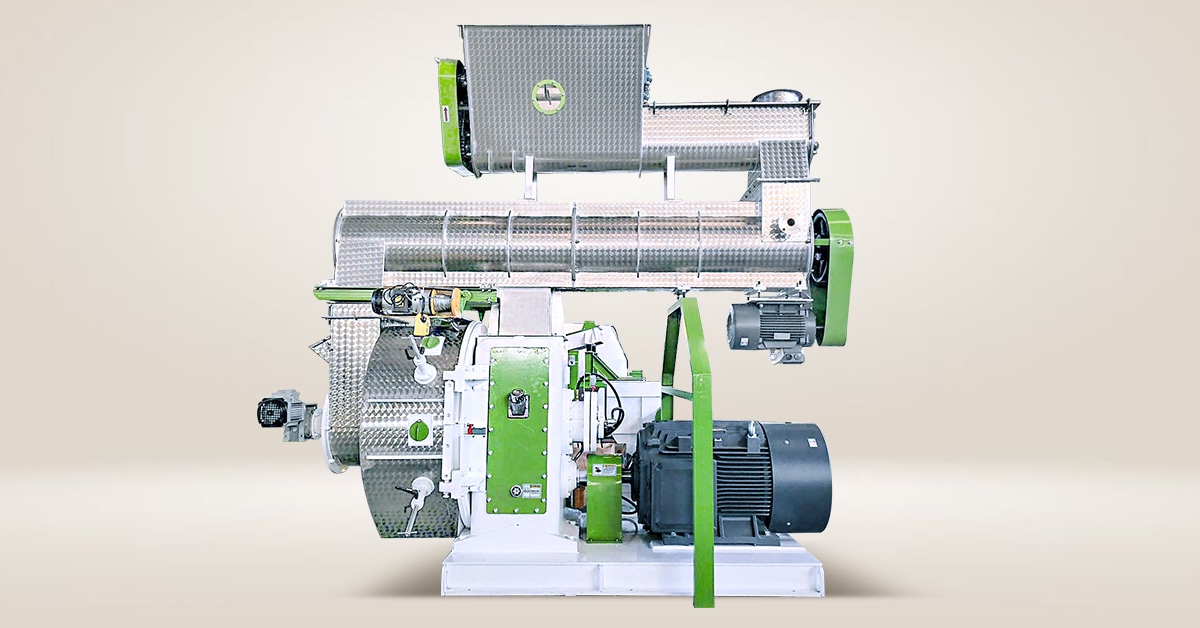
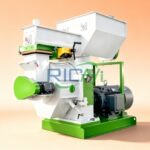
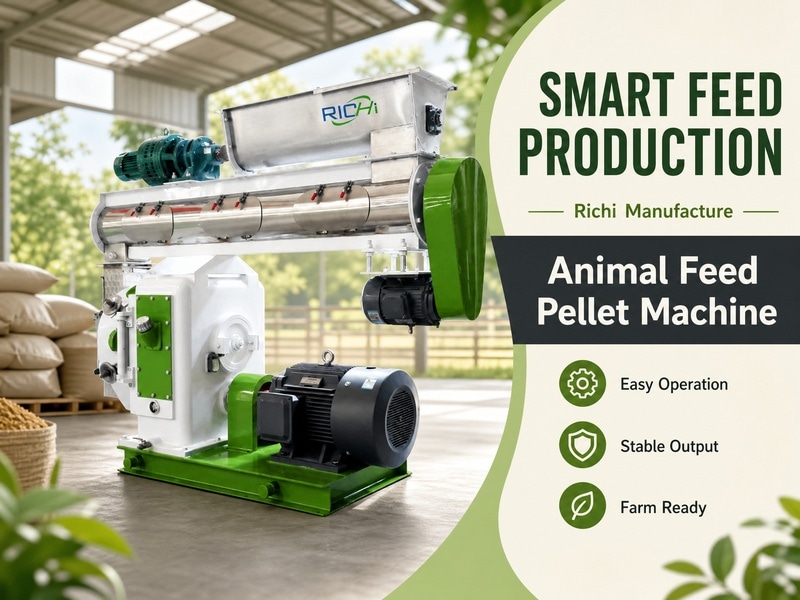
A commercial livestock feed pellet mill should not be considered separately from the rest of the production line.
The grinder must prepare enough material for the mixer. The mixer must supply the pellet mill consistently. The pellet mill must work at a rate that the cooler and screen can handle.
Capacity imbalance can create bottlenecks. If the pellet mill is significantly larger than the cooling section, production may be restricted after pelletizing. Conversely, excessive cooling capacity may remain underused if the pellet mill cannot supply enough pellets.
Utility Requirements
Commercial factories require adequate electricity, steam, water where applicable, ventilation, dust collection, and other utilities.
The power supply should be evaluated based on the total installed equipment rather than the pellet mill motor alone. Crushers, mixers, conveyors, fans, coolers, elevators, and packaging equipment all contribute to the total electrical demand.
If steam conditioning is used, the boiler and steam distribution system should also be matched to production requirements.
Storage Is Part of Production
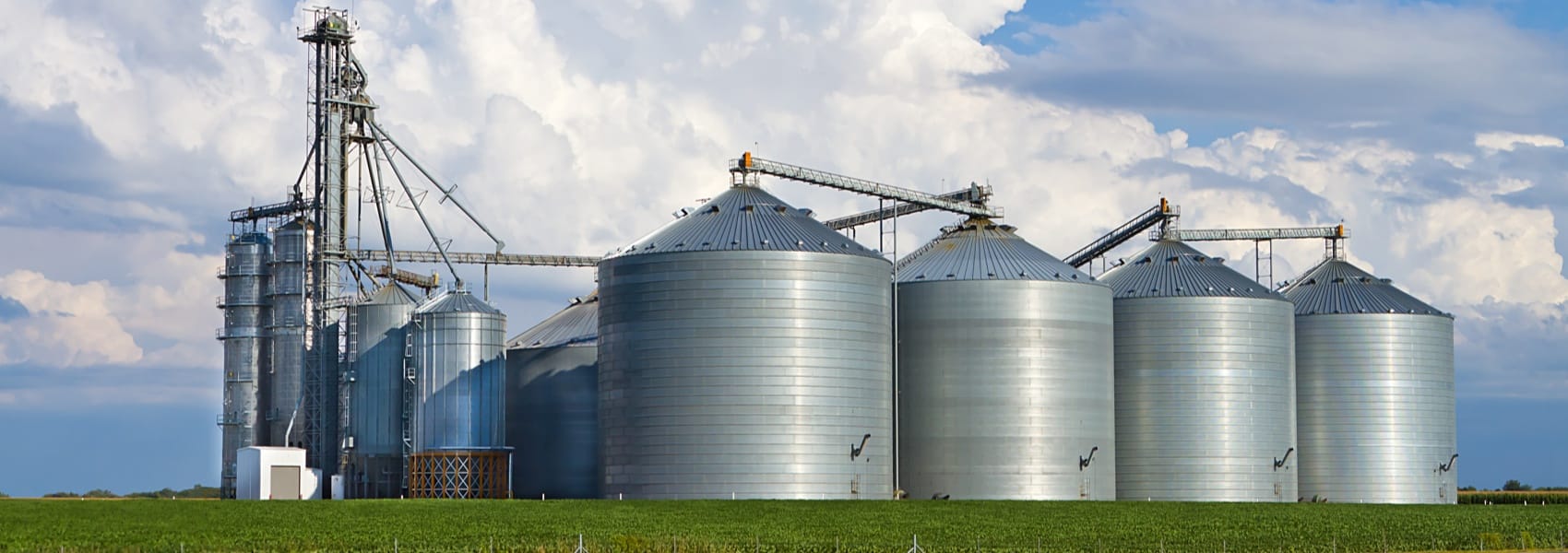
Raw material storage can have a direct impact on production continuity. If ingredients are not available when needed, even a high-capacity pellet mill may have to stop.
Storage facilities should reflect the expected material supply cycle. Ingredients that arrive in bulk may require different storage arrangements from bagged premix or smaller additives.
Finished feed storage is equally important. The cooling and packaging sections should provide enough capacity to prevent finished products from accumulating inside the production area.
Dust and Cleanliness
Feed factories handle large quantities of powdered ingredients. Dust control is therefore an important part of factory planning.
Grinding, conveying, mixing, and screening can generate dust. Appropriate collection systems can help maintain a cleaner working environment and reduce material loss.
Cleaning access should also be considered when positioning machines. Operators need practical access to areas where material can accumulate.
Maintenance Access
Commercial equipment needs regular inspection. Dies, rollers, bearings, belts, feeders, and other components require maintenance over time.
If machines are installed too close together, maintenance can become difficult. Equipment layout should therefore leave suitable access around important service points.
Buyers can visit site information from manufacturers to understand how different equipment configurations are used in commercial projects.
Engineering Support From the Manufacturer
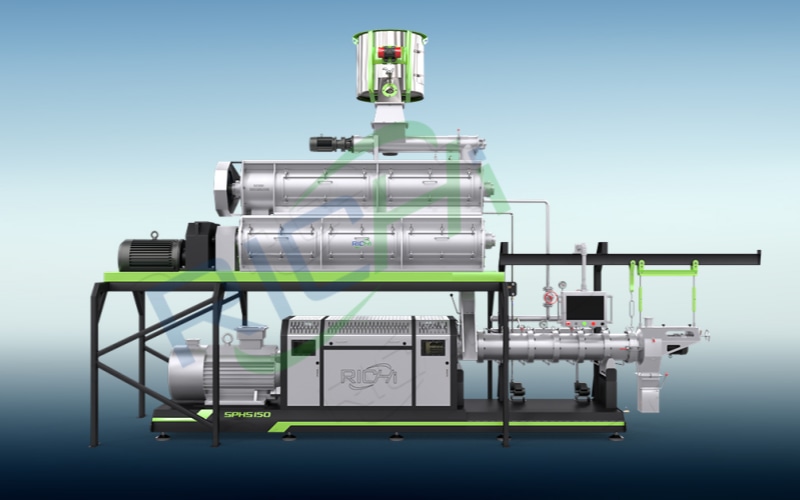
Richi Pellet Machine equipment can be incorporated into animal feed and livestock feed production systems of different scales. The overall configuration can be designed around the customer’s raw materials, target output, pellet diameter, and factory conditions.
An engineering-based supplier can help connect equipment selection with layout and process requirements. This is particularly valuable for customers constructing a new factory rather than simply replacing one machine.
Preparing for Expansion
A commercial feed factory may eventually add more products or increase capacity. Expansion space should therefore be considered during the initial design.
Electrical systems, steam supply, material handling routes, and building space can be planned with future equipment additions in mind. This may reduce the disruption caused by later expansion.
Factory planning is ultimately a combination of machinery selection and process engineering. A well-designed plant allows materials to move efficiently, machines to operate in balance, and operators to maintain equipment safely.
By considering layout, utilities, storage, dust control, maintenance access, and future growth at the beginning of the project, feed manufacturers can create a facility that supports stable commercial production rather than simply housing a collection of machines.
view details: https://www.richimanufacture.com/animal-feed-pellet-machine-for-sale/