
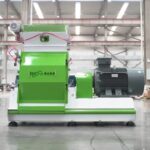
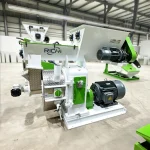




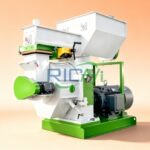
Local climate affects pellet plant design because raw materials, finished pellets, motors, electrical panels, cooling systems, dryers, buildings, storage, and operators all respond to temperature, humidity, rainfall, wind, snow, dust, and seasonal change. A production line designed for a mild dry climate may not perform the same way in a hot humid coastal region, a freezing continental climate, or a high-rainfall tropical area. Climate should therefore be part of the design basis before equipment, ventilation, buildings, and storage are finalized.
Ambient Temperature Changes Equipment Conditions
High ambient temperatures reduce the temperature difference available for pellet cooling and can increase the operating temperature of motors, bearings, electrical rooms, compressors, and control components. Very cold conditions can affect lubrication viscosity, condensation, material freezing, startup behavior, and outdoor equipment.
Provide the supplier with realistic annual minimum and maximum temperatures rather than one average value. The design should consider the periods when the plant is most difficult to operate.
Climate Affects Pellet Cooling
Pellets leave the pellet mill warm and normally require cooling before storage or packaging. A cooler depends on ambient air. When the incoming air is hot or humid, the final pellet temperature and moisture may differ from those achieved in cooler, drier weather.
The supplier should select cooler capacity and airflow using local ambient conditions and the product target. Plants in very hot climates may need additional margin, careful airflow design, or operating adjustments during the hottest periods.
Humidity Changes Moisture Management
High relative humidity can affect raw-material storage, pellet cooling, finished-product moisture, condensation, and warehouse conditions. Dry pellets can absorb moisture from humid air during storage or handling. Conversely, very dry climates can increase dust and static problems.
For products with strict moisture limits, the factory should consider how seasonal humidity changes the process and whether enclosed storage, controlled ventilation, or faster packaging is needed.
Rainfall Affects Site And Receiving Design
Heavy rainfall influences roof drainage, yard grading, receiving pits, truck unloading, outdoor conveyors, foundation drainage, and raw-material protection. Water entering a receiving pit can damage equipment and change raw-material moisture. Open biomass storage can also become much wetter after storms.
The layout should keep rainwater away from electrical rooms, pits, conveyors, and material storage. Local storm intensity should be considered in drainage design rather than relying only on annual rainfall totals.
Cold Weather Can Freeze Materials And Utilities
In cold regions, wet biomass can freeze into blocks, outdoor conveyors can accumulate ice, water lines can freeze, and pneumatic systems can experience condensation problems. Heating or insulation may be required for selected buildings, pipes, tanks, and control rooms.
The design should also consider startup after a cold shutdown. Lubricants, bearings, hydraulic systems, and motors may need temperature-specific procedures.
Hot Weather Affects Motors And Electrical Panels
Motors and electrical components are rated for defined ambient conditions. High temperatures inside electrical rooms or outdoor cabinets can reduce component life and operating margin. Ventilation, air conditioning, larger enclosures, shade, or different component ratings may be appropriate depending on the site.
Variable-frequency drives and PLC equipment are particularly sensitive to enclosure temperature. The electrical design should include the heat generated by the components themselves.
Coastal Environments Increase Corrosion Risk
Salt-laden air and high humidity can accelerate corrosion of steel structures, electrical cabinets, fasteners, motors, and exposed equipment. Coastal sites may need improved coating systems, suitable enclosure materials, stainless components in selected locations, or more frequent inspection.
Corrosion protection should be selected according to the actual environment rather than using one paint specification for every project.
Dusty And Arid Climates Need Different Protection
Fine outdoor dust can enter motors, electrical rooms, coolers, ventilation systems, and compressed-air equipment. Enclosure ratings, filtered ventilation, housekeeping, and intake-air location may require additional attention. Dust can also reduce heat-transfer performance when it accumulates on surfaces.
Where ambient dust is high, the plant should distinguish process dust generated internally from environmental dust entering from outside.
Wind Loads Affect Outdoor Structures
Tall silos, elevators, towers, exhaust stacks, filters, and outdoor conveyor galleries can experience significant wind loads. Structural design should use local code values for design wind speed and exposure. Wind can also drive rain into openings and affect lightweight cladding.
Equipment suppliers should provide weights and interface loads, while qualified structural engineers coordinate the final building and foundation design.
Snow And Ice Affect Roofs And Conveyors
Snow load can influence roof and outdoor structure design. Ice can affect stairs, platforms, sensors, conveyors, and access routes. Outdoor equipment may need covers, heat tracing, drainage, or maintenance procedures to remain operable.
Snow and ice also affect truck logistics, so raw-material and finished-product storage may need additional buffer capacity during severe weather.
Climate Influences Raw-Material Storage
Biomass stored outdoors can gain or lose moisture according to rainfall, humidity, sun, and wind. Feed ingredients may require enclosed dry storage to prevent spoilage. Seasonal temperature and moisture can also affect biological activity and self-heating.
The storage strategy should protect the process from extreme changes. Covered storage, first-in-first-out management, floor ventilation, or smaller inventory periods may be appropriate depending on material and climate.
Climate Changes Dryer Duty
Dryer load depends mainly on raw-material moisture, but local weather can change that moisture and influence combustion and drying-air conditions. Wet seasons may increase evaporation demand and fuel use, while dry seasons may reduce it. A dryer sized only for one favorable season may become the production bottleneck later.
Use the realistic worst-case feed moisture and ambient conditions for design, while ensuring that the dryer can still operate efficiently at lower loads.
Packaging And Warehouse Conditions Matter
Finished pellets may be sensitive to moisture after production. In humid climates, bags and warehouse ventilation should protect product quality. In hot climates, direct sunlight and high warehouse temperature can affect packaging materials and working conditions.
Warehouse design should consider condensation, roof leaks, floor moisture, ventilation, and truck-door exposure. The finished product should not be protected throughout production only to absorb moisture before shipment.
Operator Conditions Affect Reliability
Extreme heat or cold affects the people who operate and maintain the plant. Electrical rooms, control rooms, maintenance areas, and laboratories may require heating or cooling. Safe access, lighting, ventilation, and weather protection improve the ability of staff to inspect equipment consistently.
Maintenance tasks that are difficult in extreme weather may be postponed, so the layout should make routine work practical throughout the year.
Seasonal Climate Should Be Included In Capacity Planning
If raw-material moisture, cooler performance, truck access, or utility reliability changes seasonally, annual production should not assume identical output every month. Build a seasonal capacity model showing expected constraints and identify whether storage or extra equipment can smooth them.
This is especially important for businesses that rely on agricultural or forestry residues whose physical condition changes with the weather.
Use Seasonal Design Conditions Instead Of One Annual Average
Average climate data can hide the conditions that actually constrain production. A plant may see comfortable annual-average temperature and humidity while still experiencing several weeks of extreme heat, heavy rain, freezing weather, or very high humidity. Those short periods can determine cooler sizing, dryer duty, motor derating, building ventilation, storage protection, drainage capacity, and corrosion protection. The engineering basis should therefore include realistic seasonal design cases rather than one annual average.
For each critical season, define the expected raw-material moisture, ambient temperature, relative humidity, precipitation, and operating objective. Then check whether the plant is expected to maintain full rated output or whether a temporary reduction is commercially acceptable. This makes the trade-off between equipment margin and capital cost visible before purchase and helps the supplier identify which systems truly need additional capacity for difficult weather conditions.
Use A Climate Design Checklist
| Climate Factor | Potential Effect | Design Response |
|---|---|---|
| High temperature | Cooling and electrical stress | Ventilation and capacity margin |
| High humidity | Moisture and condensation | Protected storage and enclosure design |
| Heavy rain | Wet material and flooding | Drainage and covered receiving |
| Freezing weather | Frozen material and utilities | Heating, insulation, procedures |
| Strong wind | Structural loading | Local structural design |
| Coastal air | Corrosion | Enhanced coatings and materials |
How RICHI Machinery Accounts For Climate
RICHI Machinery develops pellet plant designs around the actual site, raw material, climate, utilities, and production requirements. Buyers can review the company’s wider project scope through wood pellet production line engineering. More than 30 years of industry experience and over 2,000 delivered projects provide reference experience across varied regions, but climate data should still be confirmed for every new location.
Local structural, electrical, environmental, and building-code requirements should be coordinated with qualified local professionals while the equipment supplier provides the relevant machine and process data.
Final Recommendation
Local climate affects pellet plant cooling, drying, storage, corrosion protection, motors, electrical panels, ventilation, buildings, drainage, structural loads, logistics, and operator conditions. Provide realistic seasonal temperature, humidity, rainfall, wind, snow, and environmental data before final design.
The objective is not to create a completely different pellet process for every climate. It is to adapt proven equipment so it can achieve the required capacity and product quality under the site’s real operating conditions throughout the year. Climate-aware design reduces seasonal bottlenecks and protects both equipment life and finished-pellet quality.