





1. Introduction: The Rise of Wood Pellet Energy
In recent decades, the global focus on renewable energy sources has brought biomass energy to the forefront, with wood pellets emerging as one of the most efficient and eco-friendly fuels. The demand for wood pellets has created new opportunities for entrepreneurs and energy companies worldwide, making the wood pellet machine a critical factor for anyone considering entering the industry.
Wood pellets are small, cylindrical pieces made from compressed sawdust, wood shavings, and other biomass materials. They are widely used in residential heating systems, industrial boilers, and even power generation. Their uniform size, high energy density, and efficient combustion make them preferable over traditional firewood. As governments implement policies to reduce fossil fuel consumption and greenhouse gas emissions, the importance of understanding wood pellet mill price and investing in quality equipment grows steadily.
2. Historical Context of Wood Fuel
Wood has been humanity’s primary energy source for thousands of years, from prehistoric hearths to modern stoves. The evolution of biomass usage demonstrates a combination of tradition and technological advancement. Whereas firewood was bulky, inconsistent, and inefficient, wood pellets provide compact, high-energy fuel suitable for both domestic and industrial purposes.
The popularity of pellets surged in Europe in the late 20th century, especially in countries like Sweden and Germany. Governments promoted pellet heating to reduce reliance on coal and oil, leading to standardized pellet sizes and certified quality standards. This historical progression set the foundation for today’s industrial-scale wood pellet mills and informs the modern considerations of wood pellet mill price.
Culturally, the adoption of pellet fuel reflects societal commitment to sustainability. Communities are increasingly aware of environmental impact, and pellet technology represents a practical approach to reducing carbon footprints.
3. Factors Affecting Wood Pellet Mill Price
The wood pellet mill price is influenced by several key factors:
Capacity: Small mills producing 0.5–2 tons per hour are more affordable than industrial units producing 10–30 tons per hour.
Technology: Advanced mills with automated controls, high-precision rollers, and energy-efficient designs command higher prices.
Material Compatibility: Some mills are optimized for softwood, hardwood, or agricultural residues, affecting both price and performance.
Brand and Supplier: Reputable manufacturers, such as RICHI, provide durability, quality assurance, and post-sale support, which may justify higher investment.
Investors must consider wood pellet mill price alongside operational efficiency, maintenance costs, and expected return on investment. Choosing a reliable manufacturer ensures the equipment’s longevity and productivity, making it a critical decision for long-term success. https://richipelletizer.com/wood-pellet-mill-machine/
4. Core Components of a Wood Pellet Mill
Understanding the machinery helps explain the variation in wood pellet mill price. A typical pellet mill system includes:
Wood Crusher / Hammer Mill: Reduces raw biomass into fine, uniform particles.
Dryer: Ensures optimal moisture content, typically 10–15%, critical for producing durable pellets.
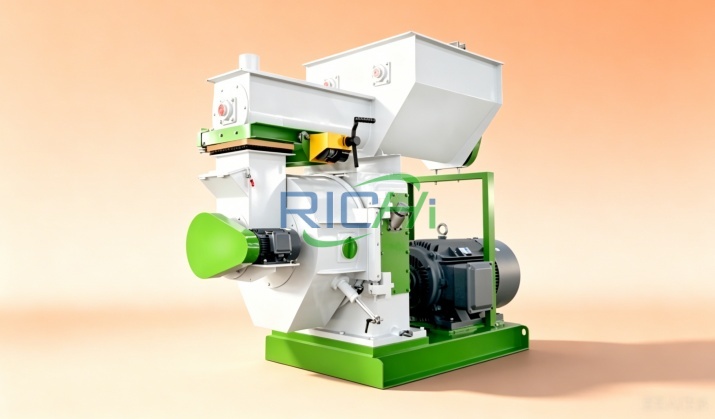
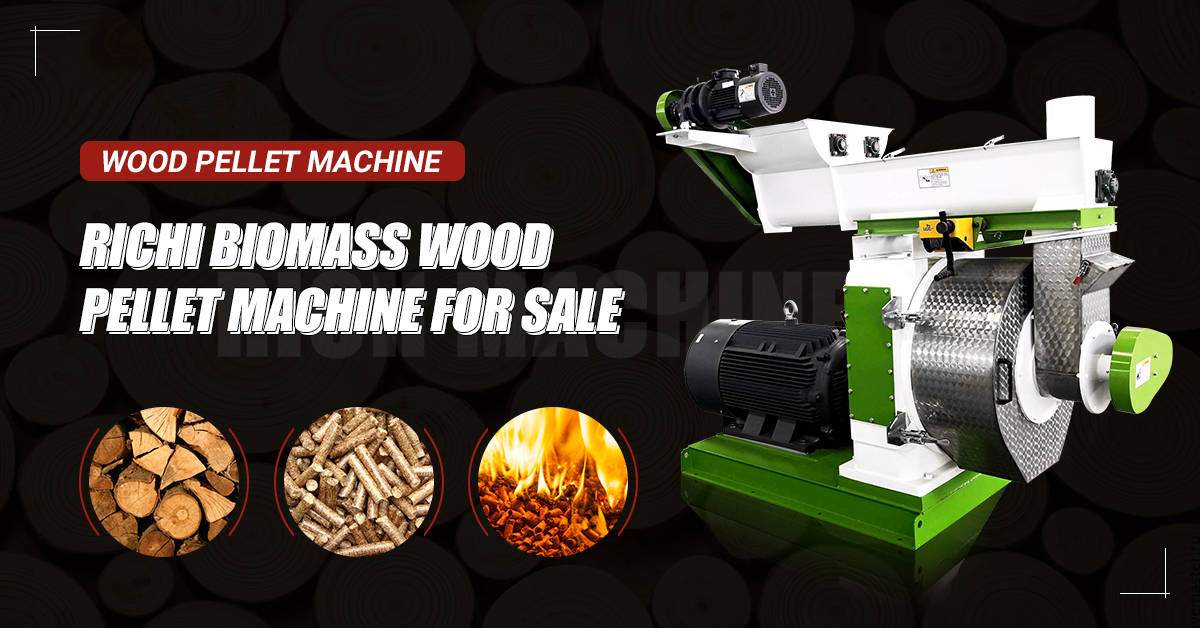
Pellet Mill: Compresses the biomass into cylindrical pellets, forming the heart of the production process.
Cooling System: Stabilizes pellets and prevents them from breaking during storage or packaging.
Packaging System: Prepares pellets for distribution and sale.
Modern plants often integrate automation and monitoring systems, allowing consistent production quality. Companies like RICHI Machinery offer modular designs that cater to small and large-scale operations, making it easier for investors to start production and scale efficiently.
5. Advantages of Wood Pellets Compared to Traditional Fuels
Wood pellets provide several advantages that make them increasingly popular:
Higher Energy Density: They produce more heat per unit volume than firewood.
Efficient Combustion: Modern pellet stoves and boilers minimize smoke and ash production.
Ease of Handling and Storage: Uniform size facilitates transportation, storage, and automatic feeding.
Sustainability: Made from waste biomass, pellets reduce environmental impact and support carbon-neutral energy cycles.
These benefits explain why industries, residential consumers, and governments are all embracing wood pellets. The rising demand underscores the importance of understanding wood pellet mill price, ensuring that producers can enter the market profitably.
6. Technological and Environmental Considerations
Producing high-quality pellets requires careful control of moisture, particle size, and compression. Too much moisture results in fragile pellets, while too little can accelerate wear on the mill. Modern mills supplied by RICHI integrate advanced drying systems, energy-efficient presses, and automated controls to maintain high output quality.
Environmentally, pellet production contributes to circular economy practices. Sawdust, wood shavings, and agricultural residues that would otherwise decompose into greenhouse gases are transformed into carbon-neutral energy. This alignment with sustainability initiatives makes pellet production an attractive opportunity both commercially and environmentally.
7. Economic and Market Significance
Investing in a wood pellet mill or plant is economically strategic. Regions with abundant biomass resources benefit from lower raw material costs and predictable production volumes. Additionally, the international trade in wood pellets has expanded significantly, with Europe importing large volumes from North America and Asia.
Cultural awareness of renewable energy also drives domestic demand. Consumers increasingly prefer eco-friendly heating solutions, creating stable and growing markets for pellet producers. A clear understanding of wood pellet mill price allows investors to evaluate profitability, production scale, and potential return on investment. This article
8. Choosing the Right Equipment and Supplier
When evaluating a wood pellet mill, factors to consider include:
Availability of biomass feedstock
Desired production capacity
Level of automation and technological support
Environmental compliance requirements
Suppliers such as RICHI provide customizable and modular solutions, ensuring scalability and operational reliability. Careful selection of equipment based on wood pellet mill price and production requirements is essential to maximize efficiency, reduce maintenance costs, and secure long-term profitability.
9. Conclusion: Investing in Sustainable Energy
Understanding wood pellet mill price is critical for anyone seeking to enter the renewable energy sector. Wood pellets offer a reliable, efficient, and environmentally friendly fuel solution, suitable for both residential and industrial applications.Investing in a high-quality mill, along with proper planning and management, allows producers to benefit financially while contributing to global sustainability goals. A wood pellet mill is more than machinery—it is a bridge to a cleaner, greener, and economically viable energy future. Wood pellet mill for sale canada