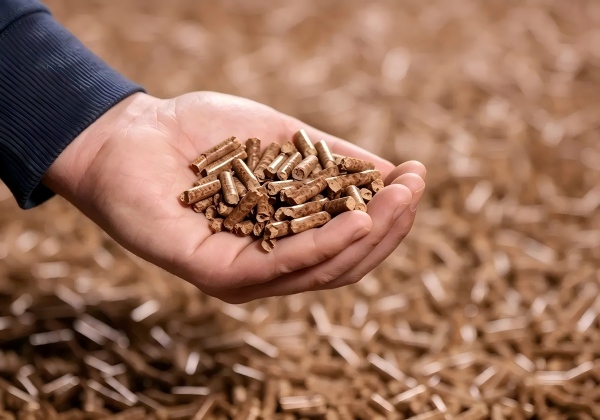





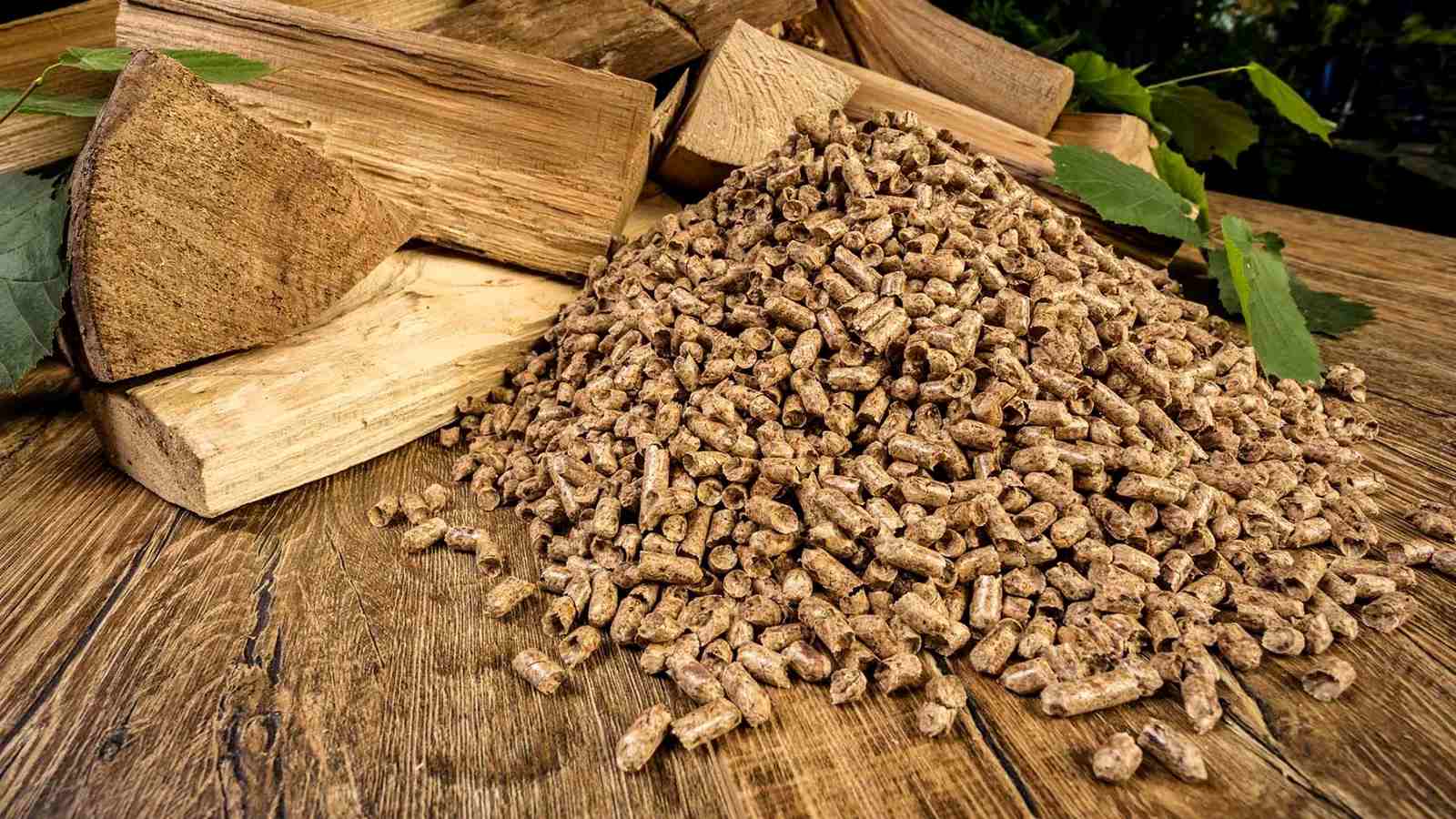
Biomass pellets have become one of the most widely used renewable fuels in the world. They are utilized in residential heating systems, industrial boilers, biomass power plants, and combined heat and power facilities. As the global demand for sustainable energy continues to grow, pellet manufacturers face increasing pressure to produce high-quality pellets that meet strict market requirements.
Among the many quality indicators used to evaluate biomass pellets, durability is one of the most important. Durable pellets maintain their shape and strength during storage, transportation, and handling. Pellets with poor durability tend to break apart, generate excessive dust, and reduce customer satisfaction. In severe cases, low pellet durability can lead to transportation losses, combustion inefficiencies, and increased operational costs.
Understanding the factors that affect biomass pellet durability is essential for manufacturers seeking to improve product quality and maximize profitability. This article examines the key variables influencing pellet durability and provides practical strategies for producing stronger, more durable biomass pellets.
What Is Biomass Pellet Durability?
Pellet durability refers to a pellet’s ability to resist mechanical damage during handling, transportation, storage, and usage.
A highly durable pellet will:
- Maintain its shape
- Resist breakage
- Produce less dust
- Withstand repeated handling
Durability is often measured using standardized testing methods that evaluate how well pellets withstand mechanical stress.
High durability is important because pellets may undergo multiple loading and unloading operations before reaching end users. Weak pellets can disintegrate during these processes, resulting in product losses and lower market value.
Why Pellet Durability Matters
Pellet durability directly affects both manufacturers and customers.
Reduced Transportation Losses
Strong pellets experience less breakage during shipping.
Improved Customer Satisfaction
Customers prefer pellets that remain intact and easy to handle.
Better Combustion Performance
Durable pellets burn more consistently and efficiently.
Lower Dust Generation
Reduced dust improves workplace safety and equipment performance.
Higher Market Value
Premium pellets with high durability often command higher prices.
For these reasons, improving pellet durability should be a major objective for every biomass pellet producer.
Raw Material Selection
One of the most important factors affecting pellet durability is the choice of raw materials.
Different biomass materials possess varying physical and chemical properties that influence pellet strength.
Wood-Based Materials
Wood generally produces highly durable pellets because it contains natural lignin.
Examples include:
- Sawdust
- Wood chips
- Wood shavings
- Forestry residues
Agricultural Residues
Agricultural materials often contain less lignin and may produce weaker pellets.
Examples include:
- Rice husks
- Wheat straw
- Corn stalks
- Bagasse
Because lignin acts as a natural binder during pelletization, feedstocks with higher lignin content usually generate stronger pellets.
The Role of Lignin in Pellet Durability
Lignin is a natural polymer found in plant cell walls.
During pelletization:
- Pressure increases
- Temperature rises
- Lignin softens
The softened lignin binds biomass particles together, creating durable pellets.
Materials with higher lignin content generally require fewer additives and produce stronger pellets.
Softwood species often contain more lignin than agricultural residues, making them particularly suitable for pellet production.
Understanding feedstock composition is essential for optimizing pellet durability.
Moisture Content
Moisture content is one of the most critical variables in pellet manufacturing.
Excessive Moisture
When raw materials contain too much water:
- Pellet density decreases
- Compression efficiency declines
- Pellet strength may be reduced
Insufficient Moisture
If materials are too dry:
- Natural binding becomes less effective
- Increased friction occurs
- Pellet cracks may develop
Most biomass materials achieve optimal pellet durability when moisture content before pelletizing is maintained between 10% and 15%.
Careful moisture control is therefore essential for producing high-quality pellets.
Particle Size and Uniformity
The size of biomass particles significantly affects pellet durability.
Large Particles
Oversized particles may:
- Prevent proper compression
- Create weak points within pellets
- Reduce density
Extremely Fine Particles
Excessively fine materials can:
- Increase dust generation
- Reduce airflow during processing
- Create uneven pellet structures
Most pellet manufacturers aim for particle sizes between 3 mm and 5 mm.
Uniform particle size promotes consistent compression and stronger pellet formation.
Raw Material Preparation
Proper preparation of biomass feedstock is crucial for achieving high pellet durability.
Preparation typically includes:
Chipping
Large materials are reduced into manageable pieces.
Grinding
Hammer mills create uniform particles.
Drying
Moisture content is adjusted to optimal levels.
Screening
Contaminants and oversized particles are removed.
Inadequate preparation can negatively affect pellet quality and production efficiency.
Pellet Mill Performance
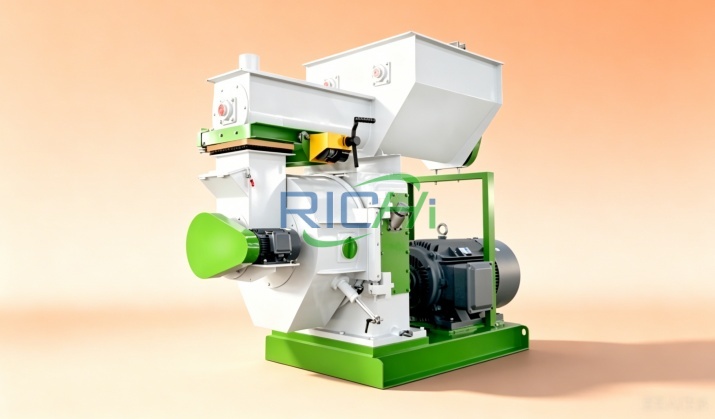
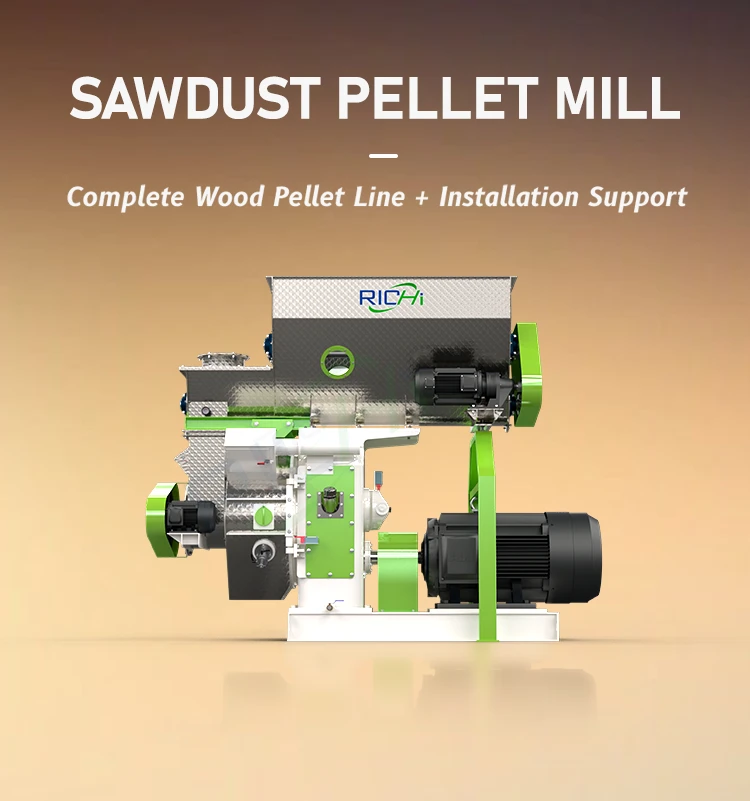
The industrial wood chip pellet machine is the core machine responsible for pellet formation.
Its performance directly impacts pellet durability.
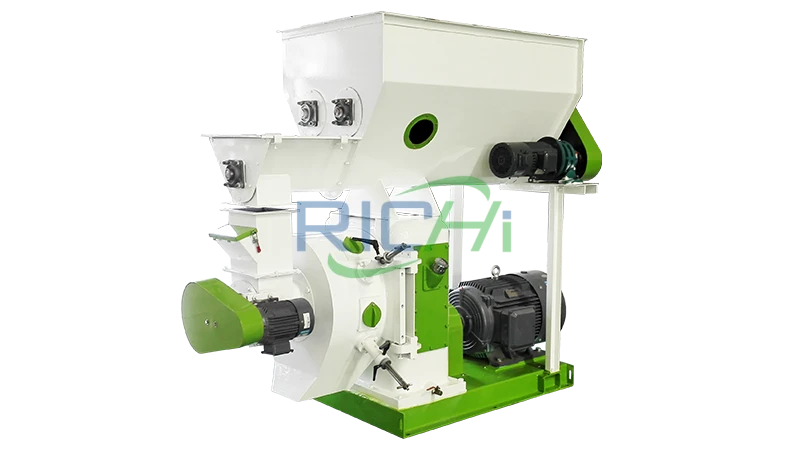
Important factors include:
Roller Pressure
Proper pressure ensures sufficient particle compression.
Feed Rate
Stable feeding promotes consistent pellet density.
Operating Temperature
Adequate temperature activates lignin and improves binding.
Machine Condition
Well-maintained equipment produces more uniform pellets.
Regular monitoring and adjustment of pellet mill parameters help maximize durability.
Die Design and Compression Ratio
The pellet die plays a critical role in determining pellet quality.
Compression Ratio
Compression ratio refers to the relationship between die hole length and diameter.
Higher compression ratios generally:
- Increase pellet density
- Improve durability
- Enhance mechanical strength
However, excessively high compression ratios may:
- Increase energy consumption
- Reduce production efficiency
Manufacturers must balance durability and productivity when selecting die specifications.
Die Hole Diameter
Common pellet diameters include:
- 6 mm
- 8 mm
- 10 mm
Proper die selection contributes significantly to pellet durability.
Temperature During Pelletization
Heat generated during pelletization influences lignin activation and pellet strength.
Low Temperature
Insufficient heat may prevent proper binding.
Excessive Temperature
Excessive heat can damage biomass structure and increase wear on equipment.
Optimal pelletizing temperatures vary depending on feedstock characteristics but are generally maintained within a controlled operating range.
Maintaining appropriate temperature improves pellet consistency and durability.
Use of Binders and Additives
Some biomass materials naturally produce durable pellets, while others benefit from additives.
Common binders include:
- Starch
- Molasses
- Vegetable oils
- Lignosulfonates
These additives can:
- Improve particle bonding
- Increase durability
- Reduce dust generation
However, manufacturers should carefully evaluate the cost-effectiveness of additive use.
In many cases, proper process optimization can achieve excellent durability without additional binders.
Cooling Process
Fresh pellets exiting the pellet mill are hot and relatively soft.
Cooling is essential for:
- Hardening pellets
- Stabilizing moisture levels
- Improving mechanical strength
Counterflow coolers are widely used because they provide:
- Uniform cooling
- High efficiency
- Consistent pellet quality
Insufficient cooling often results in fragile pellets that break during handling.
Proper cooling significantly improves durability.
Screening and Pellet Handling
Even durable pellets can be damaged by improper handling.
After cooling, pellets pass through screening systems that remove:
- Dust
- Fine particles
- Broken pellets
Proper handling practices include:
Gentle Conveying
Reduces impact damage.
Controlled Loading
Prevents excessive compression.
Appropriate Packaging
Protects pellets during transportation.
These measures help preserve pellet integrity throughout the supply chain.
Storage Conditions
Storage conditions have a major influence on pellet durability.
High Humidity
Moisture absorption can weaken pellets.
Temperature Fluctuations
Condensation may cause deterioration.
Poor Ventilation
Can encourage mold growth and quality loss.
To maintain durability:
- Store pellets in dry warehouses
- Protect from rain
- Maintain good airflow
- Use moisture barriers when necessary
Proper storage helps preserve pellet quality until final use.
Equipment Maintenance
Worn equipment can significantly reduce pellet durability.
Maintenance should include:
Die Inspection
Check for wear and blockage.
Roller Maintenance
Ensure proper contact pressure.
Bearing Replacement
Prevent operational instability.
Lubrication
Reduce friction and equipment wear.
A preventive maintenance program helps maintain consistent pellet quality and maximize production efficiency.
Automation and Process Control
Modern pellet plants increasingly utilize automation technologies.
Advanced control systems monitor:
- Moisture content
- Temperature
- Feed rates
- Motor loads
- Production output
Automation improves:
- Consistency
- Quality control
- Production efficiency
By minimizing human error, automated systems help maintain optimal pellet durability.
The Importance of a Well-Designed Wood Pellet Production Line
A properly engineered wood pellet production line plays a critical role in pellet durability.
Every stage of the wood pellet production line contributes to final product quality, including:
- Raw material preparation
- Drying
- Grinding
- Pelletizing
- Cooling
- Screening
- Packaging
When equipment is properly matched and integrated, manufacturers can achieve:
- Higher pellet density
- Better durability
- Lower dust generation
- Improved production efficiency
Investing in a high-quality wood pellet production line often provides long-term benefits through improved product quality and customer satisfaction. (browse around this site)
Common Causes of Low Pellet Durability
Manufacturers frequently encounter durability issues caused by:
- Improper moisture content
- Inconsistent particle size
- Poor raw material quality
- Inadequate compression
- Worn dies and rollers
- Insufficient cooling
- Poor storage conditions
Identifying and correcting these issues can significantly improve pellet performance.
Future Trends in Pellet Durability Improvement
The biomass pellet industry continues to evolve.
Emerging technologies include:
- Smart moisture monitoring systems
- Artificial intelligence-based process control
- Advanced die materials
- Real-time quality analysis
- Automated predictive maintenance
These innovations are expected to further improve pellet durability while reducing production costs.
Conclusion
Biomass pellet durability is influenced by numerous factors, including raw material characteristics, moisture content, particle size, pellet mill settings, die design, cooling efficiency, handling practices, and storage conditions. Because durability directly affects transportation performance, combustion efficiency, and customer satisfaction, it remains one of the most important indicators of pellet quality.
Manufacturers seeking to improve durability should focus on optimizing every stage of the production process. A well-designed wood pellet production line, combined with proper raw material preparation, equipment maintenance, and quality control, can consistently produce strong, durable pellets that meet the demands of modern biomass energy markets. As global demand for renewable energy continues to grow, improving pellet durability will remain a key factor in achieving long-term success in the biomass pellet industry.