

The transition from a traditional linear economy to a circular economy has become one of the world’s most important sustainability goals. Instead of following the “take, make, and dispose” model, a circular economy focuses on maximizing resource efficiency, minimizing waste, and continuously reusing valuable materials. As governments, industries, and communities seek practical ways to reduce environmental impact while maintaining economic growth, biomass pelletizing has emerged as an effective solution that transforms agricultural residues, forestry waste, and wood by-products into valuable renewable energy.
Rather than treating biomass waste as an environmental burden, pelletizing converts it into high-density fuel that can replace fossil fuels in residential heating, industrial boilers, combined heat and power (CHP) plants, and biomass power stations. This process creates value from materials that might otherwise be burned, buried, or left to decompose.
By supporting renewable energy production, waste recycling, carbon reduction, and rural economic development, biomass pelletizing has become an essential technology for building a more sustainable circular economy.
What Is a Circular Economy?
A circular economy is an economic system designed to keep materials and resources in use for as long as possible. Instead of extracting new raw materials and generating increasing amounts of waste, products and by-products are reused, recycled, repaired, or regenerated.
The key principles of a circular economy include:
- Reducing waste generation
- Reusing valuable resources
- Recycling materials
- Extending product life cycles
- Recovering energy from waste
- Minimizing environmental impact
Biomass pelletizing aligns perfectly with these principles by converting renewable organic waste into commercially valuable energy products.
Understanding Biomass Pelletizing
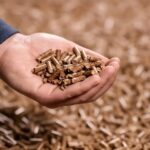
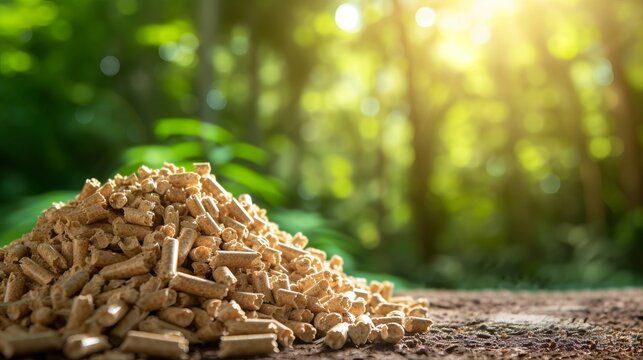
Biomass pelletizing is a mechanical process that compresses finely prepared organic materials into compact cylindrical pellets using high pressure.
During pellet formation, natural lignin contained in wood and plant fibers softens under frictional heat and binds the particles together without requiring chemical adhesives in most cases.
The finished pellets possess several desirable characteristics:
- High density
- Uniform size
- Low moisture
- Excellent durability
- High combustion efficiency
- Easy storage
- Convenient transportation
These qualities make biomass pellets an ideal renewable fuel.
https://pelletisingmachine.com/vertical-ring-die-wood-pellet-mill
Biomass Waste: An Untapped Resource
Every year, agriculture, forestry, and wood processing industries generate enormous quantities of biomass residues.
Common biomass materials include:
- Sawdust
- Wood chips
- Wood shavings
- Tree branches
- Bark
- Rice husks
- Wheat straw
- Corn stalks
- Cotton stalks
- Peanut shells
- Sugarcane bagasse
- Palm fiber
- Coconut shells
- Bamboo residues
- Coffee husks
- Sunflower husks
Much of this material has traditionally been discarded or burned, creating unnecessary environmental problems.
Pelletizing transforms these residues into valuable renewable energy.
Turning Waste into Valuable Products
One of the primary goals of the circular economy is converting waste into useful resources.
Biomass pelletizing accomplishes this by creating marketable fuel from low-value organic materials.
Instead of disposal, biomass waste becomes:
- Residential heating fuel
- Industrial boiler fuel
- Power generation fuel
- Combined heat and power fuel
This transformation increases resource efficiency while reducing environmental pollution.
Reducing Agricultural Waste
Farmers often face challenges managing crop residues after harvest.
Traditional disposal methods include:
- Open burning
- Landfilling
- Natural decomposition
Pelletizing provides a profitable alternative.
Crop residues such as straw, corn stalks, rice husks, and cotton stalks become valuable raw materials for renewable energy production.
This generates additional farm income while improving environmental performance.
Supporting Sustainable Forestry
Forestry operations generate significant quantities of residues.
These include:
- Branches
- Tree tops
- Bark
- Wood chips
- Sawdust
Removing appropriate quantities of forestry residues supports healthier forests while reducing wildfire risks.
Pelletizing provides an efficient utilization pathway for these materials.
Improving Resource Efficiency
Loose biomass has relatively low bulk density.
This creates challenges for:
- Transportation
- Storage
- Handling
- Fuel feeding
Pelletizing dramatically increases density.
Higher density enables:
- Lower transportation costs
- Reduced storage requirements
- Improved logistics
- More efficient combustion
Resource utilization becomes significantly more efficient.
Lowering Carbon Emissions
Replacing fossil fuels with sustainably sourced biomass pellets contributes to lower net greenhouse gas emissions.
Plants naturally absorb carbon dioxide during growth.
When biomass pellets are burned, much of this carbon returns to the atmosphere as part of the natural carbon cycle.
Responsible biomass management therefore supports climate change mitigation.
Reducing Landfill Waste
Organic waste occupies valuable landfill space.
As biomass decomposes, methane emissions may increase.
Pelletizing diverts biodegradable waste from landfills.
This supports cleaner waste management systems while generating renewable energy.
Creating Renewable Energy
Biomass pellets provide reliable renewable energy for many applications.
Major users include:
- Homes
- Commercial buildings
- Industrial facilities
- District heating systems
- Biomass power plants
Unlike some renewable energy sources, biomass fuel can be stored and used whenever required.
This flexibility strengthens energy security.
Creating Economic Opportunities
The circular economy aims to generate economic value while reducing environmental impact.
Biomass pelletizing supports this objective through:
- Rural employment
- New business opportunities
- Additional farmer income
- Forestry revenue
- Manufacturing growth
- Transportation services
Entire regional economies benefit from biomass utilization.
Supporting Local Supply Chains
Many pellet plants source biomass locally.
This creates regional supply chains involving:
- Farmers
- Sawmills
- Forestry companies
- Transport providers
- Equipment suppliers
- Energy producers
Local sourcing reduces transportation emissions while strengthening rural economies.
Modern Biomass Pellet Production
A typical pellet production process includes:
Raw Material Collection
Biomass is collected from agricultural fields, forests, and wood processing facilities.
Size Reduction
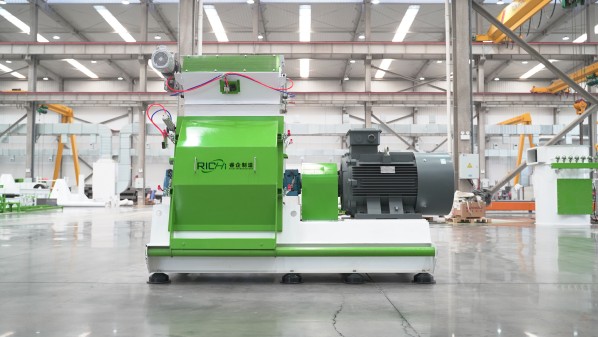
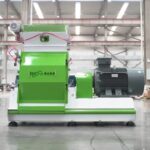
Chippers and hammer mills reduce particle size.
Drying
Rotary dryers lower moisture to suitable pelletizing levels.
Grinding
Fine grinding ensures uniform particle size.
Pelletizing
Prepared biomass is compressed into dense pellets.
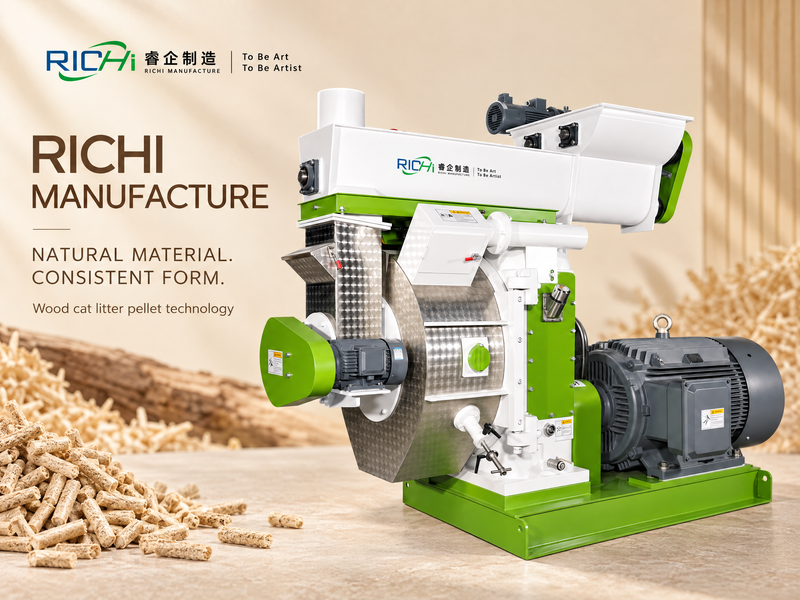
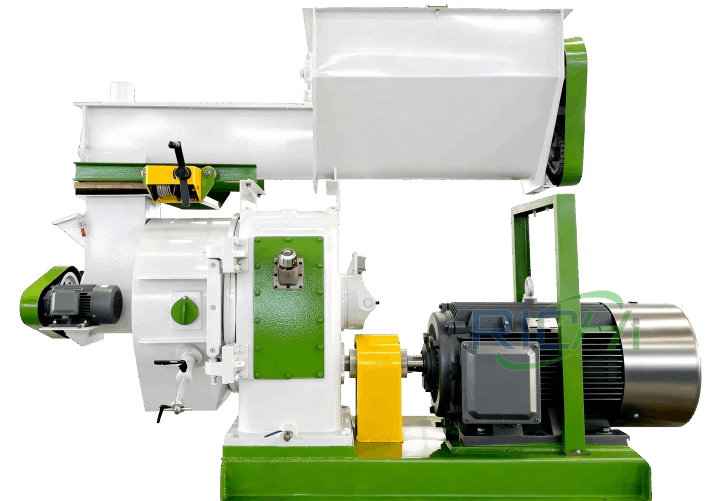
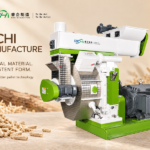
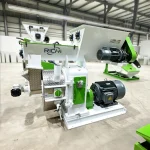
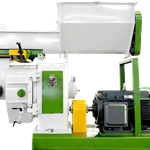
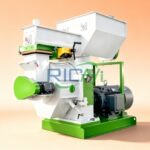
Many manufacturers rely on a vertical wood pellet machine because it offers efficient feeding, stable operation, and excellent adaptability to different biomass materials. A vertical wood pellet machine is widely used for processing sawdust, wood chips, forestry residues, and agricultural waste into high-quality fuel pellets, making it well suited for large-scale circular economy projects focused on renewable energy and waste recycling.
Cooling
Counterflow coolers strengthen pellets before storage.
Screening
Broken pellets and fines are recycled back into production.
Packaging
Finished pellets are packaged for transportation or bulk storage.
Improving Industrial Sustainability
Industries increasingly seek sustainable manufacturing solutions.
Biomass pelletizing helps companies:
- Reduce waste disposal
- Lower carbon emissions
- Improve environmental compliance
- Utilize by-products
- Reduce fuel costs
These improvements strengthen corporate sustainability strategies.
Enhancing Energy Security
Countries with abundant agricultural and forestry resources can reduce dependence on imported fossil fuels by developing biomass pellet industries.
Locally produced pellets contribute to:
- Stable energy supplies
- Rural economic growth
- National energy independence
This creates long-term strategic advantages.
Technology Supports Circular Development
Modern pellet plants increasingly utilize intelligent manufacturing technologies.
Automation systems monitor:
- Moisture content
- Temperature
- Material flow
- Motor load
- Pellet quality
- Production efficiency
Digital monitoring improves consistency while reducing operating costs.
Predictive maintenance also minimizes equipment downtime.
Challenges to Address
Although biomass pelletizing offers many advantages, successful projects require careful planning.
Common challenges include:
- Seasonal feedstock variation
- Transportation logistics
- Moisture management
- Equipment maintenance
- Market demand fluctuations
Proper management helps overcome these challenges while maintaining profitability.
Future Development
Several trends will further strengthen biomass pelletizing within the circular economy.
Future developments include:
- Artificial intelligence
- Smart factories
- Digital process optimization
- Energy-efficient drying
- Improved pellet mill designs
- Automated quality inspection
These innovations will improve both sustainability and production efficiency.
Why Equipment Selection Matters
Reliable equipment plays an important role in achieving circular economy objectives.
Efficient pellet mills improve:
- Raw material utilization
- Production stability
- Energy efficiency
- Pellet quality
- Operating costs
Modern facilities equipped with a vertical wood pellet machine can process a broad range of renewable biomass materials while maintaining continuous operation and high productivity. This flexibility allows manufacturers to recycle more organic waste, reduce resource losses, and maximize the economic value of available biomass feedstocks.
The Long-Term Value of Biomass Pelletizing
Biomass pelletizing creates long-term benefits that extend beyond renewable fuel production.
It helps societies:
- Recycle valuable resources
- Reduce environmental pollution
- Support sustainable agriculture
- Improve forestry management
- Generate renewable energy
- Strengthen rural economies
- Advance carbon reduction goals
These combined advantages make biomass pelletizing an important contributor to sustainable development.
Conclusion
Biomass pelletizing is a practical and highly effective technology for supporting the transition to a circular economy. By converting agricultural residues, forestry by-products, and wood waste into valuable renewable fuel, pellet production reduces waste, conserves natural resources, lowers greenhouse gas emissions, and creates new economic opportunities across the entire biomass supply chain.
From farmers and forestry companies to renewable energy producers and industrial manufacturers, every participant benefits from more efficient resource utilization and sustainable production practices. Modern equipment, including the vertical wood pellet machine, enables producers to process diverse biomass materials with high efficiency, consistent pellet quality, and reliable long-term performance. As countries continue to prioritize renewable energy, waste recycling, and carbon neutrality, biomass pelletizing will play an increasingly important role in building resilient, low-carbon, and resource-efficient circular economies around the world.