


In the competitive landscape of bioenergy manufacturing, operational efficiency is the defining factor between profitable production and financial strain. A well-selected and properly maintained wood pellet making machine can mean the difference between consistent, high-quality output and costly downtime. This guide explores the technology, strategy, and best practices behind successful pellets production at both small and industrial scales.
The Role of the Wood Pellet Making Machine in Modern Bioenergy
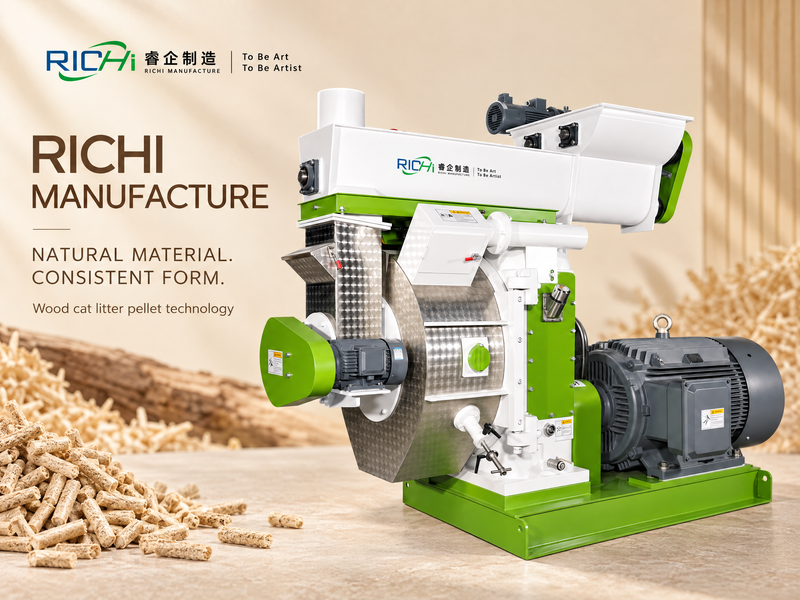
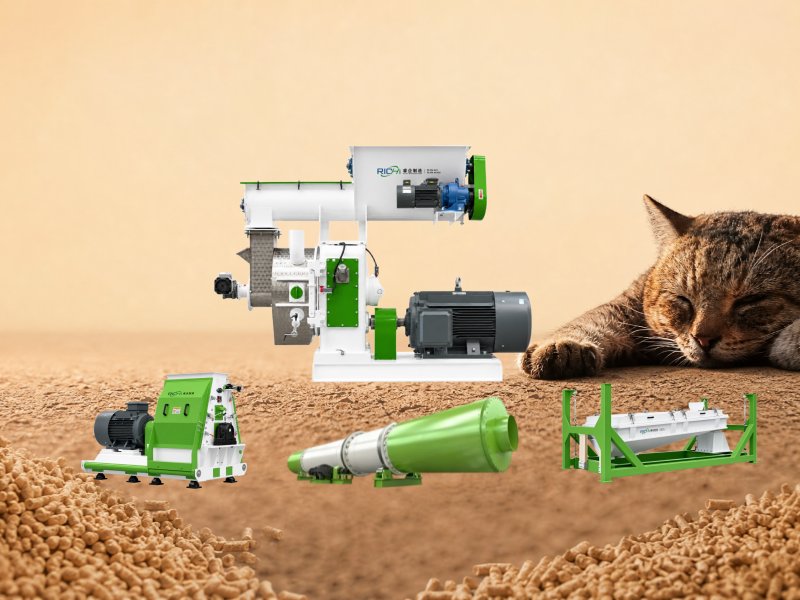
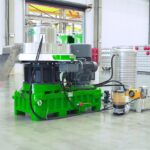
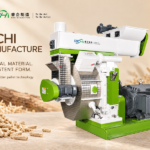
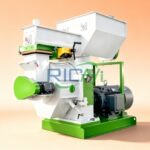
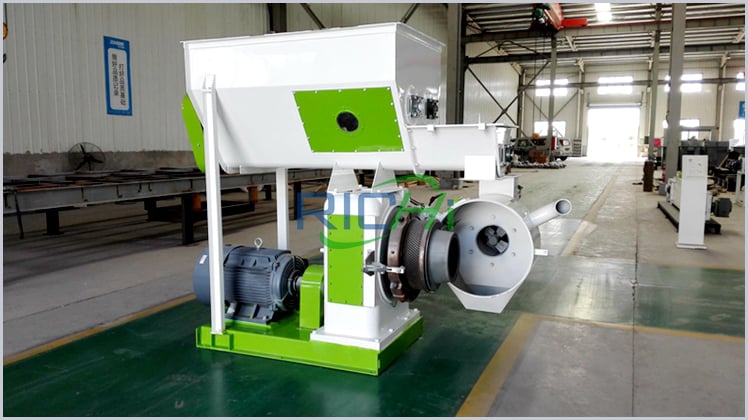
The wood pellet making machine sits at the center of any pellet production line, transforming preprocessed wood materials into dense, energy-rich pellets through a combination of mechanical pressure and frictional heat. The machine’s design directly affects pellet hardness, moisture content after pressing, bulk density, and calorific value — all parameters that determine market price and customer acceptance.
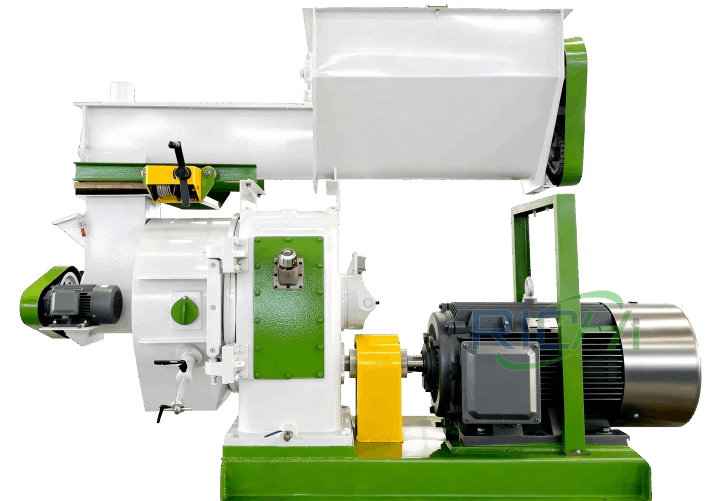
Two machine types dominate the industry: flat die pelletizers and ring die pelletizers. For operations targeting commercial-scale pellets production, ring die machines offer clear advantages in throughput, energy efficiency, and die longevity. Industrial models can process anywhere from 1 to 30+ tonnes of biomass per hour, making them suitable for operations ranging from regional suppliers to large export-oriented manufacturers.
Critical Pre-Processing Steps for Efficient Pellets Production
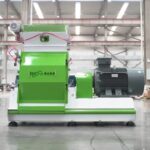
Achieving high-quality pellets production begins long before material enters the pellet press. Proper raw material preparation determines the maximum achievable throughput and directly affects die wear rates:
Moisture Management Wood chips or sawdust must be dried to 10–15% moisture content. Too wet, and pellets will crack or fail to bond; too dry, and the material becomes abrasive, accelerating die and roller wear. Integrating precision moisture sensors into the drying system helps maintain consistency across production shifts.
Particle Size Control Uniform particle sizing — ideally below 5 mm — ensures even compression across the die surface. Inconsistent particle sizes lead to uneven density and increased fines generation, both of which reduce product quality and yield.
Temperature Conditioning Some operations use steam conditioning before the die chamber to pre-soften lignin, which reduces energy consumption and improves pellet surface quality. This step is particularly beneficial for harder wood species.
For buyers researching optimal preprocessing setups, click reference manufacturer guides and technical white papers that provide material-specific recommendations and machinery compatibility charts.
Selecting a Wood Pellet Making Machine: Key Specifications to Evaluate
When comparing models, the following technical parameters should guide the selection process:
- Die Diameter and Hole Specifications: Determines pellet diameter (commonly 6 mm or 8 mm) and compression ratio.
- Drive System: Direct-drive configurations are more energy-efficient and require less maintenance than belt-driven alternatives.
- Installed Power: Must match the feedstock density and desired output volume without oversizing (which wastes energy) or undersizing (which limits capacity).
- Gearbox Quality: High-grade gearboxes reduce transmission losses and extend service intervals.
- Control System: Modern machines feature PLC-based control panels with real-time monitoring of temperature, current draw, and feed rate.
Richi Machinery: A Trusted Partner for Pellets Production
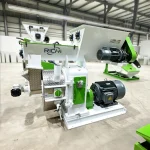
Among the manufacturers serving the global pellet industry, Richi Machinery stands out for its comprehensive engineering support and extensive product range. Their wood pellet making machine lineup is engineered to handle diverse feedstocks — from pine sawdust and eucalyptus chips to bamboo and agricultural straw — without requiring fundamental machine redesigns. Clients benefit from factory testing prior to shipment, detailed installation manuals, and responsive technical support teams.
Their production facilities adhere to international quality management standards, and their machines are exported to over 100 countries, reflecting broad market trust in their engineering capabilities.
Optimizing Long-Term Pellets Production Performance
Sustaining high-output pellets production over time requires a proactive maintenance culture:
- Daily: Check roller gap settings, lubricate bearings, inspect die surface for scoring.
- Weekly: Clean conditioner paddles, inspect drive belts or couplings, verify feed scraper alignment.
- Monthly: Measure die hole wear using calibrated gauges, replace worn rollers proactively, analyze pellet samples for quality deviations.
Operators who invest in staff training and preventive maintenance consistently outperform competitors who run machines reactively, waiting for failures before acting.
If you’re building out a new production line, make sure to click reference operational guides and after-sales service documentation from your equipment supplier before commissioning.
Conclusion
A high-performance wood pellet making machine is the cornerstone of profitable pellets production. By selecting the right equipment, preparing feedstock correctly, and maintaining machines diligently, producers can achieve consistent output quality that commands premium prices. Experienced manufacturers like Richi Machinery provide the engineering depth and support infrastructure needed to turn a pellet production vision into a sustainable, high-margin business reality.
https://www.richimanufacture.com/biomass-pellet-making-machine/