
With the global shift toward renewable energy and carbon reduction, the wood pellet production line has become a key solution for converting biomass resources into clean, high-value fuel. By processing wood waste such as sawdust, wood chips, and forestry residues into dense wood pellets, a complete wood pellet production line improves resource utilization while creating long-term economic and environmental benefits.
This article provides a comprehensive overview of the wood pellet production line, including its process flow, core equipment, advantages, and application prospects, helping investors and manufacturers better understand this mature biomass pellet solution.
What Is a Wood Pellet Production Line?
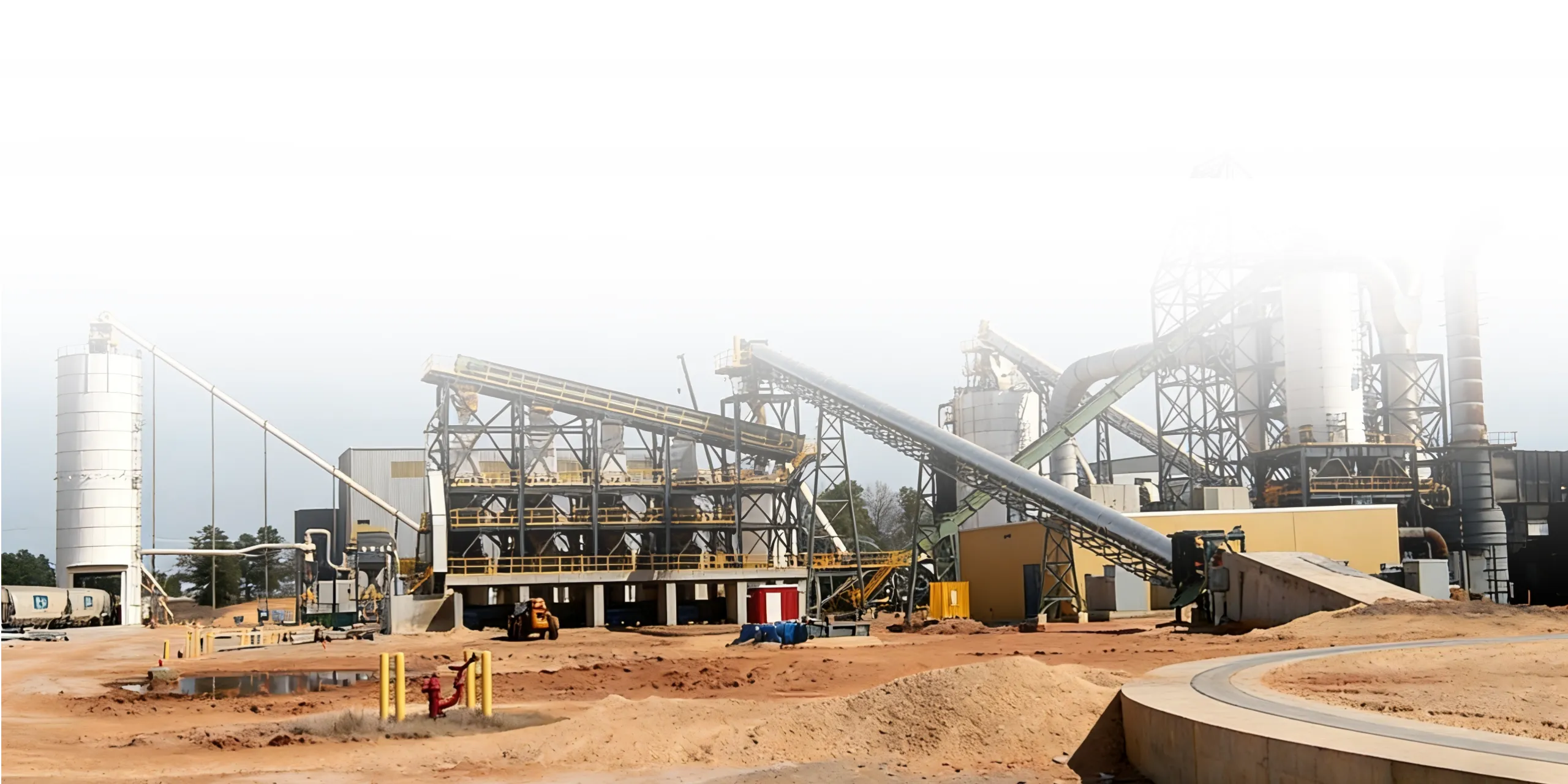
A wood pellet production line is a complete system designed to transform raw wood biomass into finished wood pellets through a series of interconnected processes. A standard wood pellet production line typically includes raw material handling, crushing, drying, pelletizing, cooling, screening, and packing systems.
Unlike a single wood pellet mill, a full wood pellet production line focuses on continuous, automated, and stable production. Each piece of equipment is carefully matched to ensure smooth material flow, consistent pellet quality, and optimal energy efficiency throughout the entire production process.
Raw Materials and Pre-Treatment System
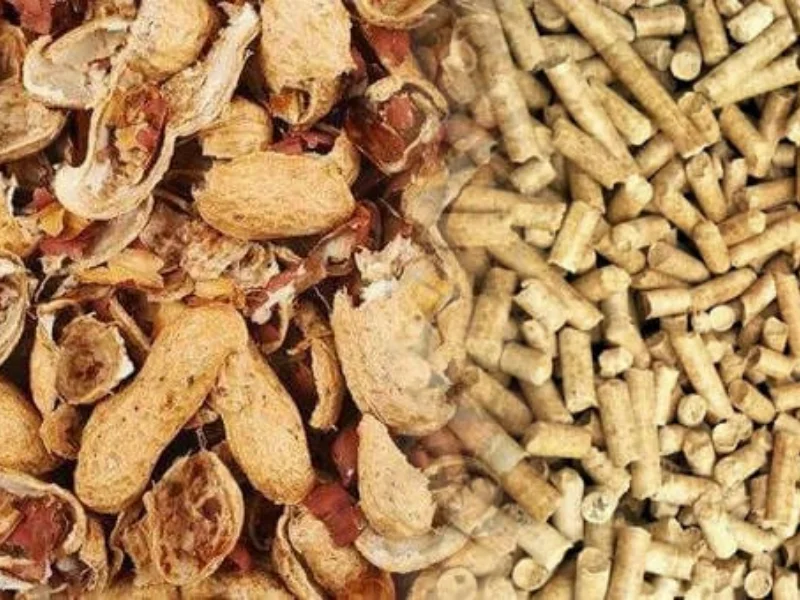
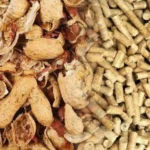
One of the key advantages of a wood pellet production line is its wide raw material adaptability. Common materials include sawdust, wood shavings, wood chips, furniture factory waste, logging residues, and other wood-based biomass.
To ensure efficient pelletizing, raw materials must be properly pre-treated. Large-sized materials are reduced using wood chippers or hammer mills, while moisture content is controlled through rotary drum dryers or belt dryers. Maintaining the correct particle size and moisture level is essential for stable operation and high pellet durability, making raw material preparation a critical part of the wood pellet production line.
Pelletizing System: The Core of the Line
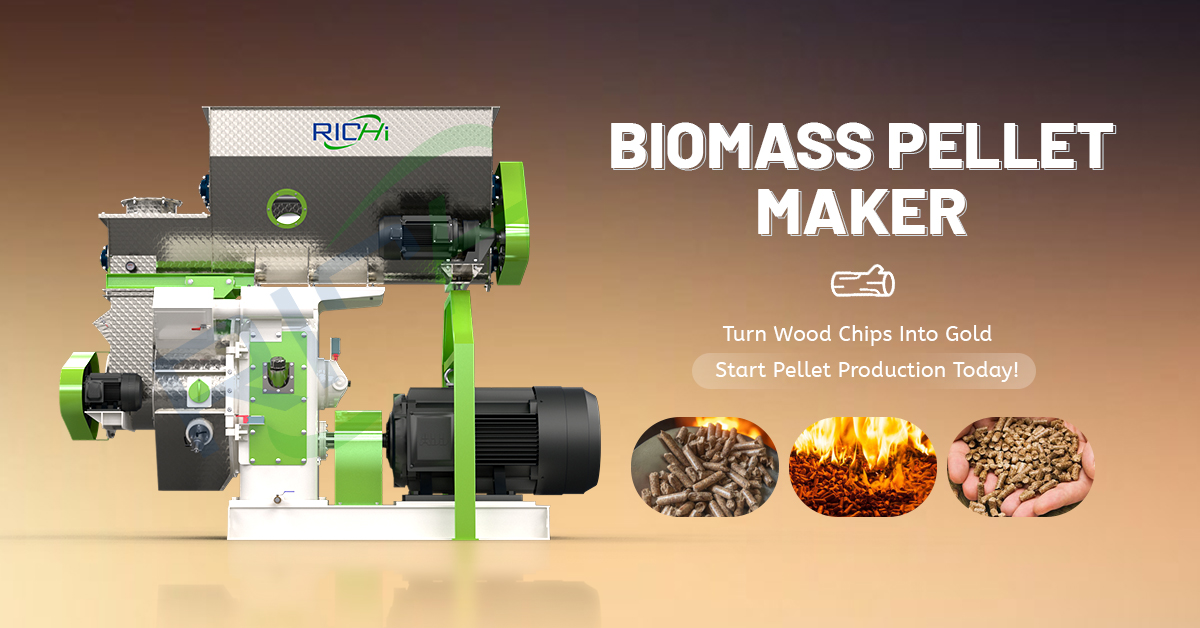
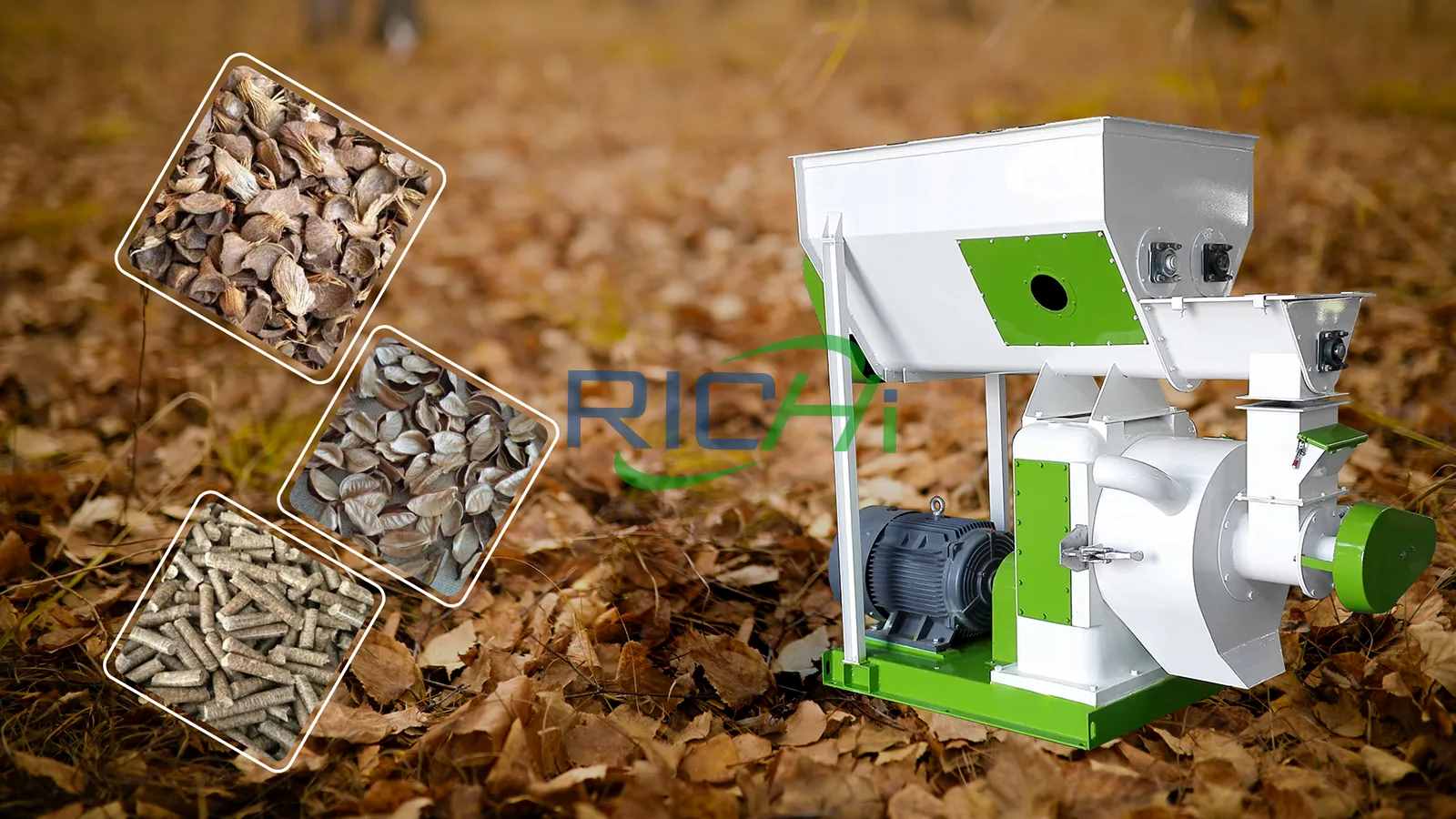
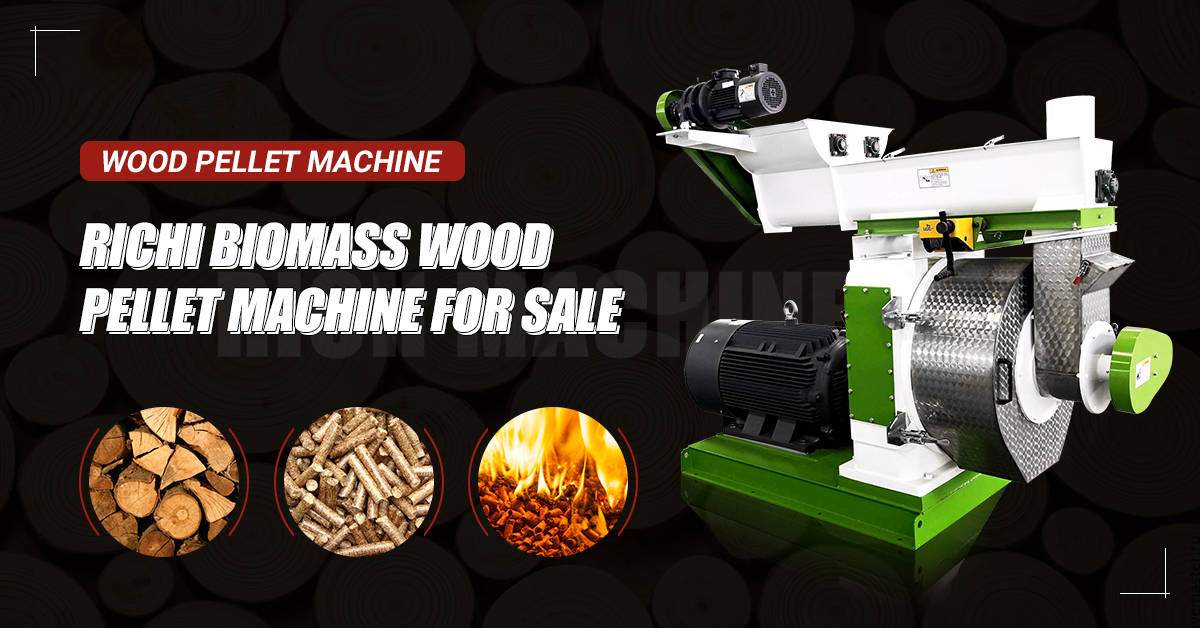
The pelletizing section is the heart of the wood pellet production line. High-performance wood pellet mills compress biomass under high pressure and temperature, allowing natural lignin in the wood to act as a binder. This process produces dense pellets without the need for chemical additives.
Wood pellet production lines can be configured for different capacities, ranging from small-scale systems of 1–2 tons per hour to industrial lines exceeding 10 tons per hour. Selecting the right pellet mill model, die specifications, and power configuration ensures high output, low wear, and long service life.
Cooling, Screening, and Packing Process
Freshly formed pellets exit the pellet mill at high temperature and moisture levels. Therefore, efficient cooling is essential. Counterflow coolers are commonly used in wood pellet production lines to reduce pellet temperature and stabilize structure, improving hardness and storage performance.
After cooling, vibrating screens remove fines and broken pellets, ensuring uniform pellet size. Finally, automatic packing systems weigh and bag finished pellets in small bags or bulk containers. This final stage makes the wood pellet production line suitable for commercial distribution and export markets.
Automation and Energy Efficiency
Modern automatic wood pellet production lines are equipped with centralized control systems, typically using PLC and intelligent electrical cabinets. Operators can monitor equipment status, production capacity, and energy consumption in real time, significantly reducing labor requirements and operational risks.
Energy efficiency is another major advantage. Through variable frequency drives, optimized transmission systems, and heat recovery technologies, a wood pellet production line minimizes energy consumption per ton of pellets, improving overall profitability.
Applications and Market Outlook
Wood pellets produced by a wood pellet production line are widely used as renewable fuel for biomass boilers, residential heating, industrial steam generation, and power plants. Due to their high calorific value, low ash content, and carbon neutrality, wood pellets are increasingly replacing fossil fuels worldwide.
In regions with abundant forestry resources or wood processing industries, investing in a wood pellet production line allows manufacturers to convert waste into valuable products while meeting growing global demand for clean energy.
(Useful link: https://pelletisingmachine.com/biomass-pellet-mill/)
Conclusion
In summary, the wood pellet production line plays a vital role in the biomass energy industry. By integrating efficient process design, reliable equipment, and advanced automation, it enables stable production of high-quality wood pellets with low operating costs.
For businesses seeking sustainable energy solutions or value-added use of wood waste, a well-designed wood pellet production line is a smart and future-proof investment.