
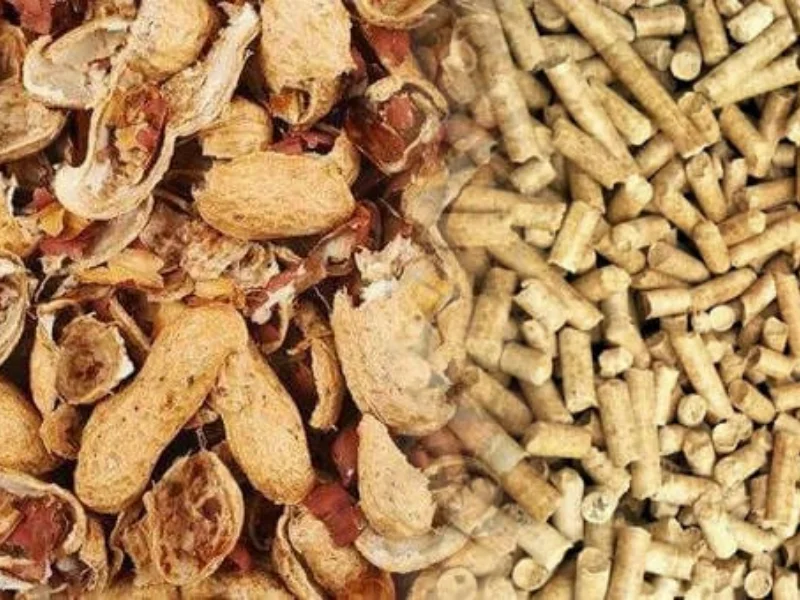
Introduction: Unlocking the Value of Peanut Shell Waste
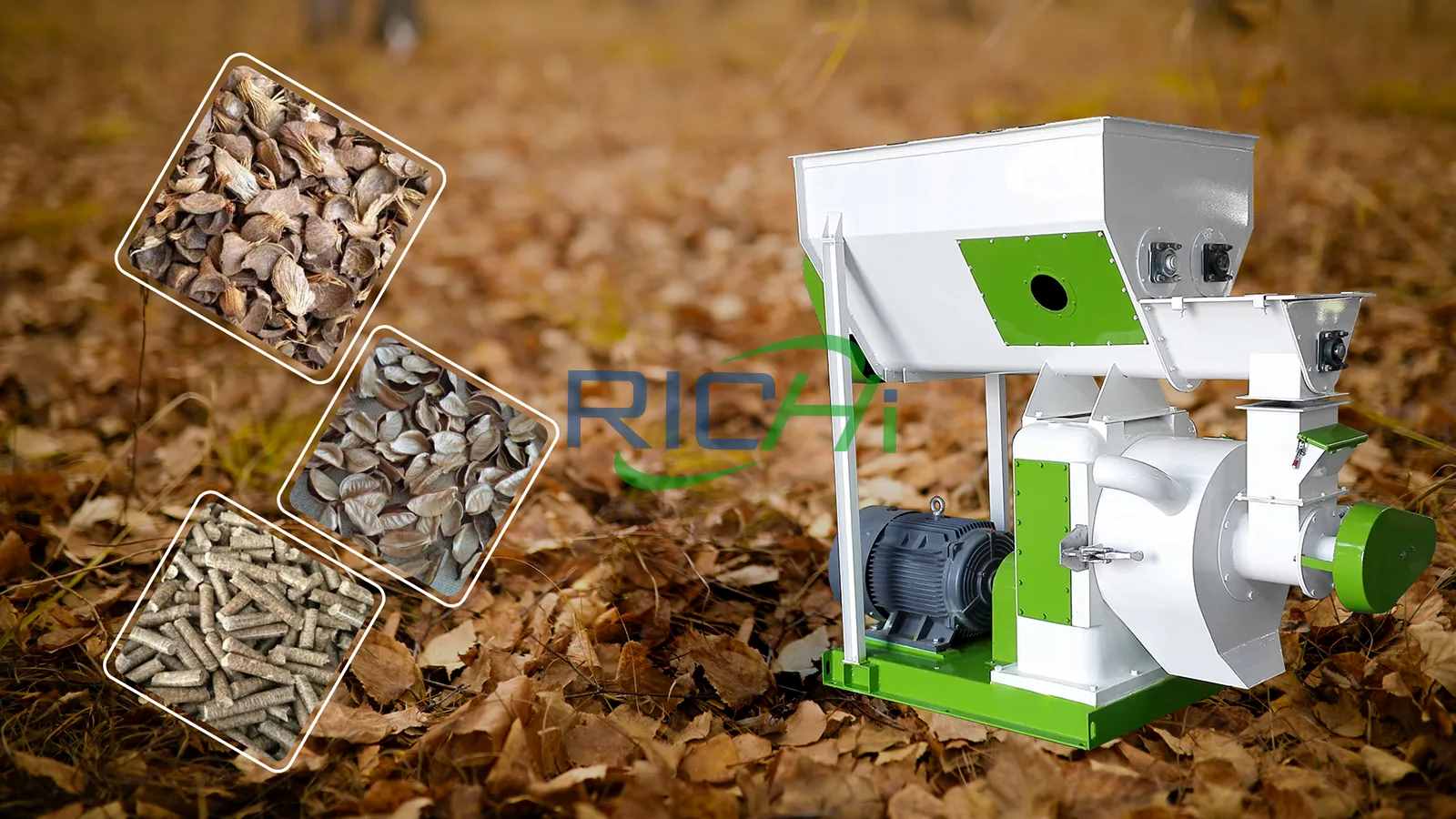
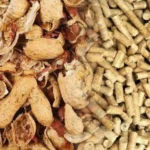
Peanut processing industries generate large quantities of peanut shells every year. Traditionally, these shells are burned directly or discarded, resulting in low energy efficiency and environmental concerns. With rising global demand for renewable energy, converting peanut shells into biomass pellets has become an attractive and sustainable solution.
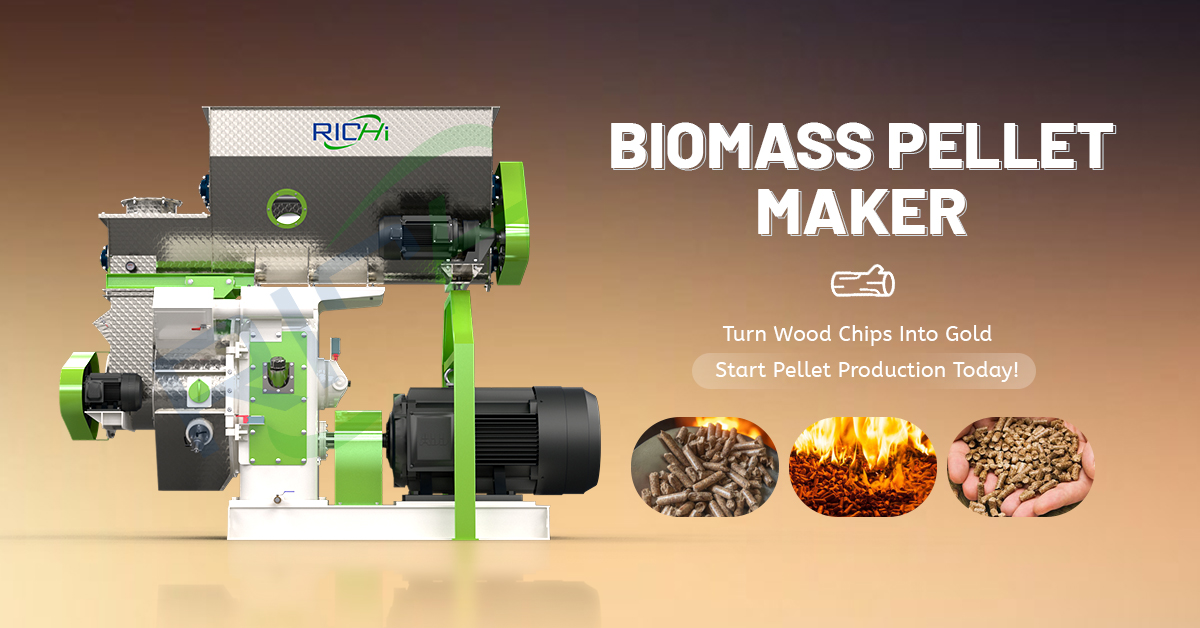
A professional peanut shell pellet machine enables producers to transform loose peanut husks into high-density, easy-to-transport pellets. These pellets are widely used in biomass boilers, industrial heating systems, and commercial pellet plants, helping businesses reduce fuel costs and carbon emissions.
Why Peanut Shells Are Suitable for Pelletizing
Peanut shells are a type of agricultural biomass with stable supply in many regions, especially in Asia, Africa, and South America. They contain natural fibers and lignin, which contribute to pellet bonding during compression.
However, peanut shells also present challenges:
- Low bulk density
- Irregular shape and structure
- Sensitivity to moisture variation
Without proper processing, pellet quality may be inconsistent. This is why dedicated pelletizing equipment and a well-designed system are essential for successful production.
(Related Post: https://biomasspelletizer.com/peanut-shell-pellet-machine/)
How a Peanut Shell Pellet Machine Enhances Pellet Quality
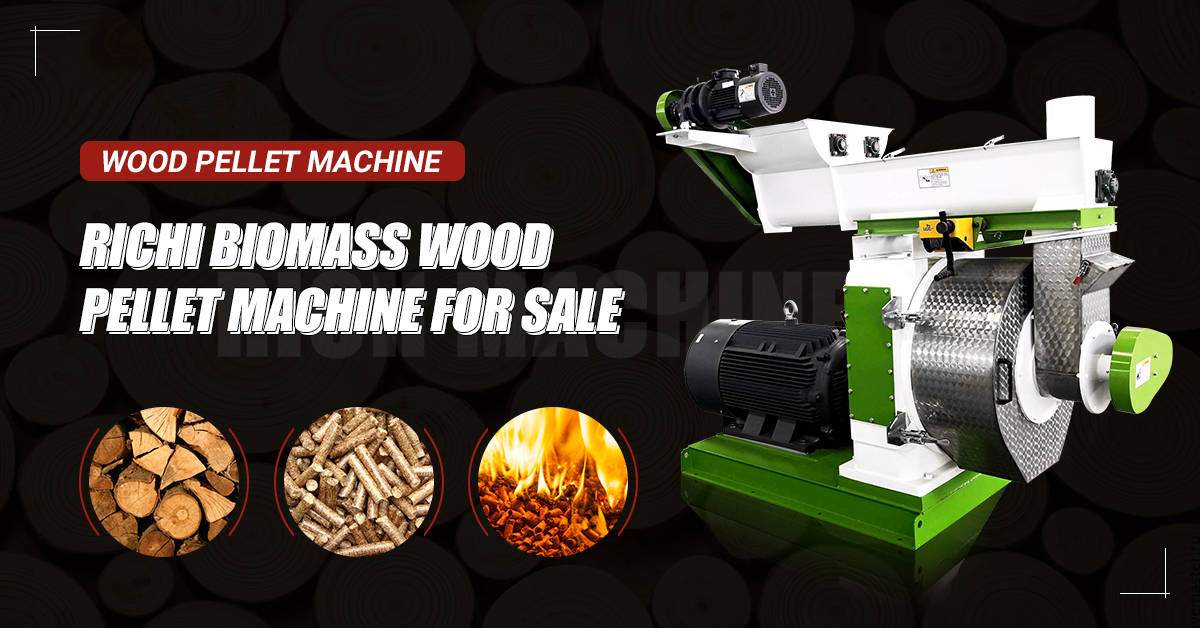
Compared with ordinary feed pellet equipment, a biomass-oriented peanut shell pellet machine is designed to handle light and fibrous raw materials. It applies higher pressure and optimized roller–die interaction to ensure strong pellet formation.
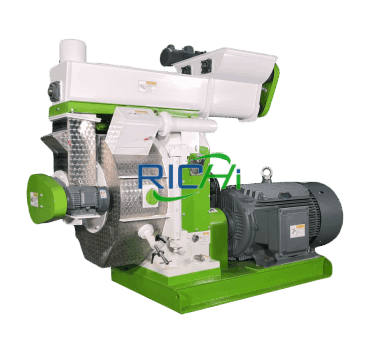
Key performance benefits include:
- Uniform pellet size and smooth surface
- High pellet durability with reduced fines
- Stable output suitable for continuous operation
- Lower energy consumption per ton
With proper configuration, the machine can process peanut shells alone or mixed with other biomass materials, offering flexibility for different production strategies.
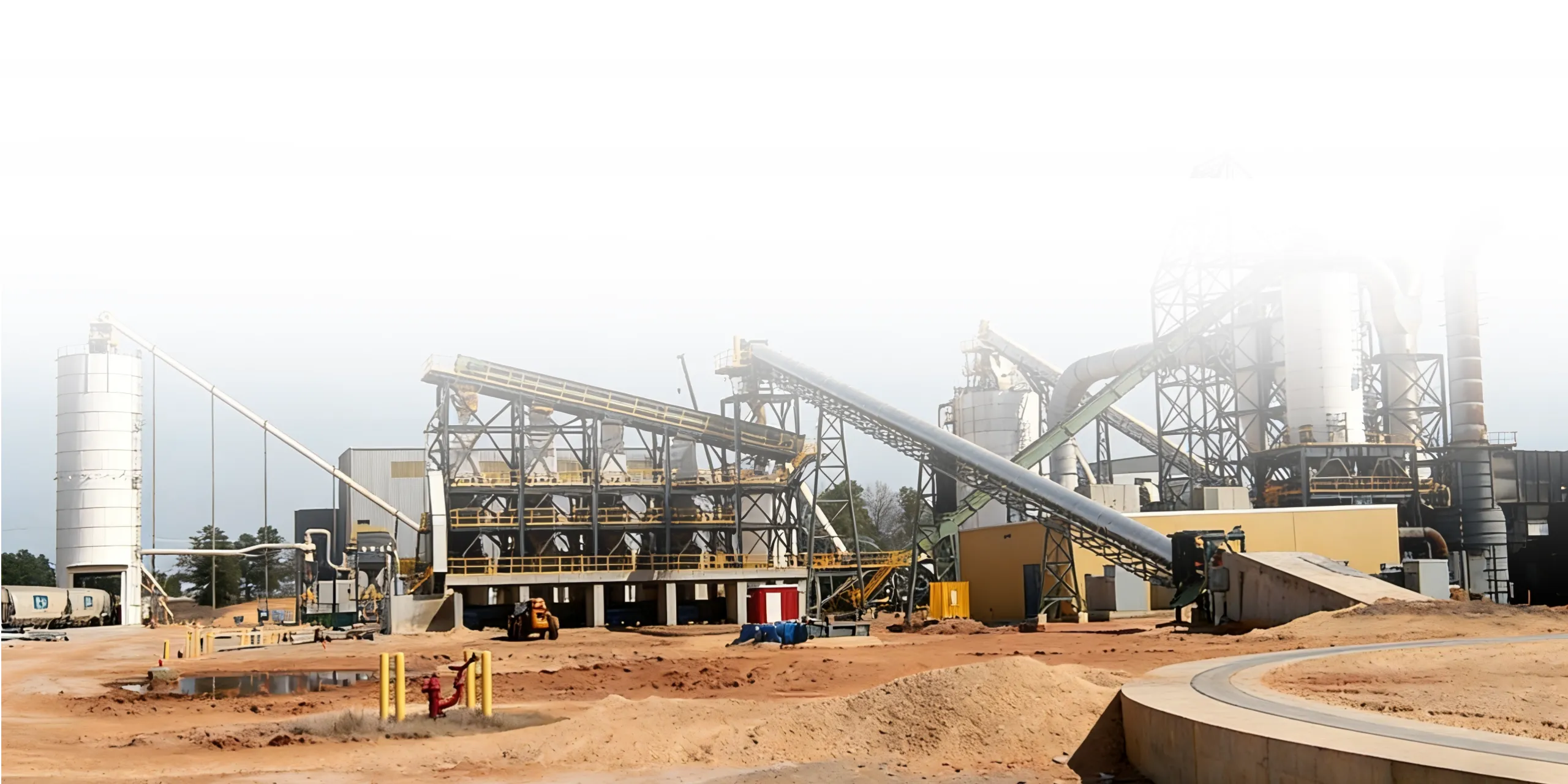
Building a Complete Husk Pellet Production Line System
For commercial-scale production, a single pellet mill is not enough. A complete husk pellet production line system integrates multiple processing stages to ensure efficiency, consistency, and long-term stability.
Raw Material Preparation
Peanut shells are first crushed into small, uniform particles to improve pelletizing efficiency and reduce wear on the pellet mill.
Drying and Moisture Adjustment
Moisture content is controlled within an optimal range to ensure proper pellet bonding and prevent cracking during cooling.
Pelletizing Process
The conditioned material enters the pellet mill, where heat and pressure activate natural binders, forming dense and durable pellets.
Cooling and Screening
Fresh pellets are cooled to increase hardness and screened to remove fines before packaging or storage.
This systematic approach helps pellet producers achieve higher yields and lower operational risks.
Applications of Peanut Shell Pellets in a Modern Pellet Plant
In a modern pellet plant, peanut shell pellets are used across multiple sectors:
- Industrial biomass boilers
- Agricultural heating systems
- Power generation co-firing
- Commercial biomass fuel markets
Due to their competitive raw material cost, peanut shell pellets offer strong profit potential, especially in regions where wood resources are limited. Investors seeking alternative biomass feedstocks can explore this opportunity further and learn more about customized pellet solutions based on local conditions.
Why Integrated Pellet Solutions Matter
Many pellet projects fail due to improper system design rather than equipment quality. A well-integrated production line ensures that each stage supports the next, reducing downtime and maintenance costs.
By combining reliable machinery, reasonable workflow layout, and technical support, producers can maintain stable pellet quality and meet market standards more easily. This integrated approach is essential for long-term success in the biomass pellet industry.
Conclusion: A Sustainable Future with Peanut Shell Pellet Production
Peanut shells are no longer just agricultural waste. With the right peanut shell pellet machine and an optimized production line, they can be transformed into valuable biomass fuel. This solution not only improves resource utilization but also supports global efforts toward cleaner energy.
As demand for sustainable fuel continues to grow, peanut shell pellet production represents a smart and scalable investment for pellet manufacturers worldwide.